Rising transport costs were the biggest driver of Namibia’s inflation in June, with prices in the category increasing by 12.9% compared to the same month last year.
The latest Namibia Consumer Price Index (NCPI) released by the Namibia Statistics Agency (NSA) shows annual inflation increased to 4.4% in June from 3.7%in June 2025.
On a monthly basis, inflation slowed to 0.3%, down from 1.2% in May.
According to the report, transport recorded the highest annual inflation of all consumer spending categories, well above the national average, making it the largest contributor to rising living costs.
Recreation and culture followed with inflation of 5.6%, while hotels, cafes and restaurants recorded 5.5%.
Housing, water, electricity, gas and other fuels also recorded inflation of 4.4%, matching the national average.
The NSA attributed the increase mainly to higher electricity, gas and fuel costs, as well as rising costs for maintaining and repairing homes.
FOOD PRICE PRESSURES EASE
Food and non-alcoholic beverages, which make up 14.8% of the consumer basket, recorded inflation of 2.5%, below the national average.
The report shows inflation slowed across several food categories. Fish inflation dropped to 0.6% from 10.3% a year earlier, while meat inflation decreased to 3.2% from 9.8%.
Coffee, tea and cocoa inflation also slowed to 2.0%, while vegetable inflation declined to 4.5% from 10.2% in June last year.
KHOMAS RECORDS HIGHEST INFLATION
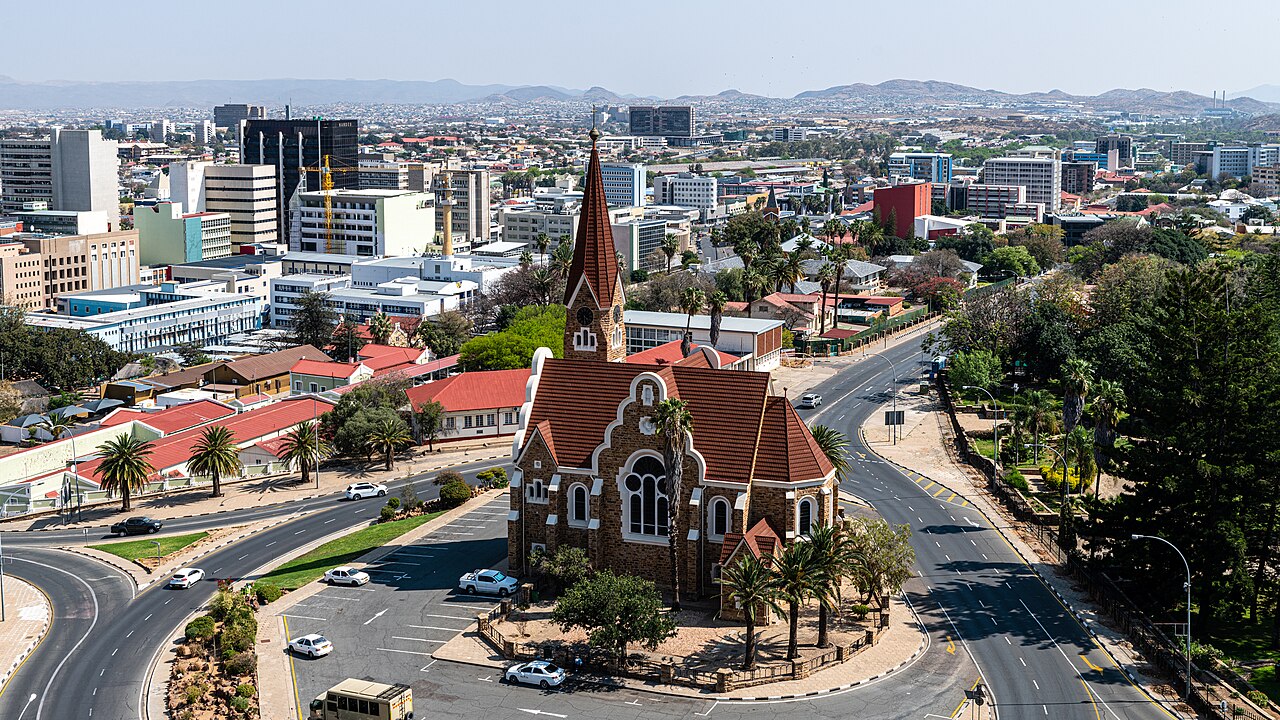
Among the country’s regions, the Khomas region (zone 2) recorded the highest annual inflation rate at 5.8%, followed by zone 3 (||Kharas, Erongo, Hardap and Omaheke) at 4.0%.
Zone 1, which includes the northern regions, recorded the lowest inflation rate at 3.3%.
NSA statistician general Alex Shimuafeni says inflation remains an important measure for policymakers because it reflects changes in the cost of living and guides economic decisions.
“The inflation rate plays a critical role in economic policymaking, particularly in the formulation and implementation of monetary policy, whose primary objective is to maintain price stability and regulate consumer spending,” Shimuafeni says.
He adds that “low and stable inflation supports sound macroeconomic fundamentals by enabling households and businesses to plan, save, and invest with greater certainty,”, while high or unpredictable inflation erodes purchasing power and creates uncertainty for businesses and consumers.
Meanwhile, communications was the only category to record annual deflation, with prices declining indicating communication services and products became cheaper than a year ago.