




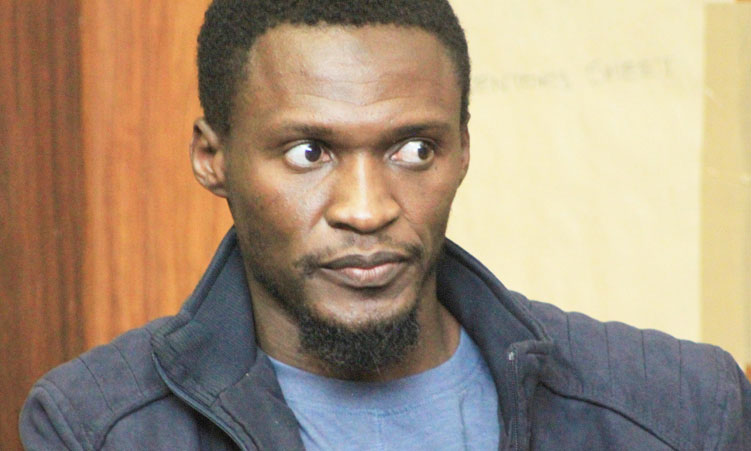
A defence lawyer representing terrorism accused Jona Hangula in a case that is pending in the Windhoek High Court has requested the state to provide him with English translations of disclosed evidence written in Arabic.
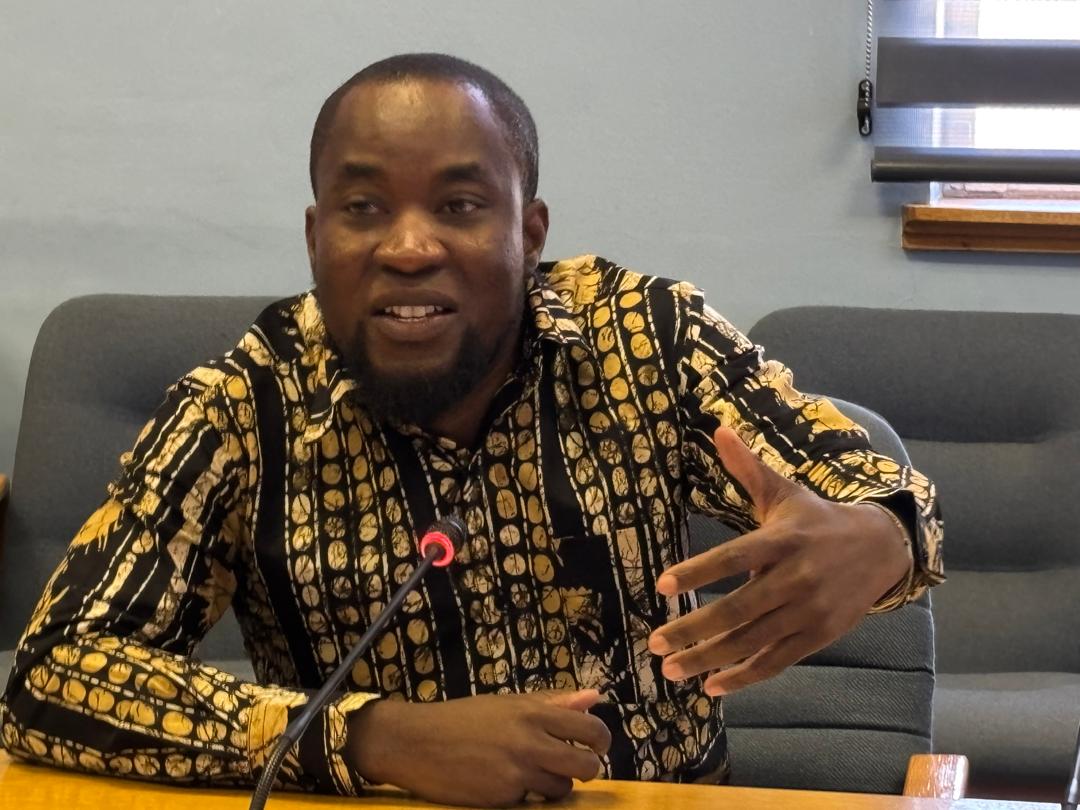
Defence lawyer Joas Neemwatya told deputy judge president Hannelie Prinsloo during an appearance by Hangula (33) in the High Court at Windhoek Correctional Facility yesterday that he needs English translations of material written in Arabic that forms part of the disclosed police docket of Hangula’s case.
Prinsloo told Neemwatya and deputy prosecutor general Lourens Campher that she wants to see progress made in the matter, which has been pending in the High Court since last May, before she postponed the case to 20 August for another pretrial appearance by Hangula.
Campher said the state will attempt to have the requested translations done before Hangula’s next court appearance.
Hangula is awaiting trial on 19 charges, including a count of high treason, a charge of terrorism, a count of funding terrorist activities, two counts of recruiting persons as members of designated organisations or to participate in terrorist activities, and a charge of membership of an organisation involved in terrorist or proliferation activities.
The five terrorism-related charges are charges in terms of Namibia’s Prevention and Combating of Terrorist and Proliferation Activities Act of 2014.
Hangula is the first person to have been charged under the act.
In the charges, it is alleged that he conspired to carry out a violent take-over of the authority of the state in Namibia between 2015 and 2020, through an attempt to overthrow the Namibian government and establish an Islamic state in the country.
It is also alleged that Hangula showed support for designated terrorist organisations such as Islamic State of Iraq and Syria (Isis), the Nigerian organisation Boko Haram, Isis in Mozambique and groups in the Democratic Republic of Congo and in the Republic of Congo, and that he attempted to recruit support for those organisations and encouraged people to join the organisations.
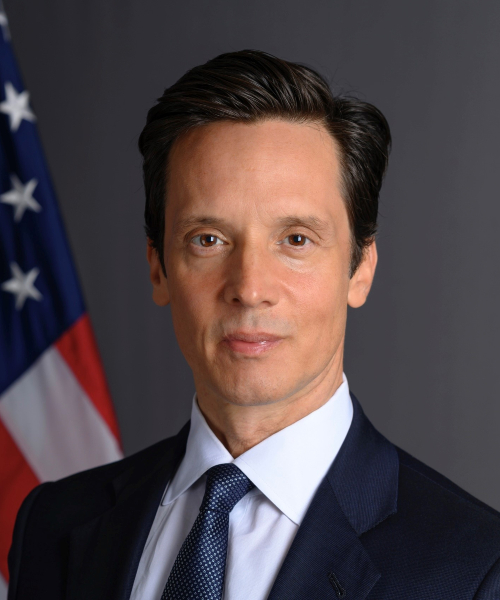
During the court proceedings yesterday, Campher also informed Prinsloo that the state has filed an application in which it is asking the court to have the testimony of one of the state’s witnesses, who is a special agent of the United States’ Federal Bureau of Investigation (FBI), heard behind closed doors during Hangula’s trial.
That application should be heard by the judge who deals with the trial, Prinsloo said.
Neemwatya has indicated that Hangula is opposing the state’s request to have the FBI agent’s testimony heard in camera.
The state has notified the court that it will apply to have the agent’s testimony heard without members of the public being present in court, and that the agent should be permitted to use an alias and testify “in a slight disguise, including, but not limited to alterations of facial hair, hairstyle or attire”.
In a sworn statement made by Hangula, he says the fact that his prosecution is the first of its kind in Namibia is a reason to require greater, rather than less, judicial transparency, and that his trial should be conducted as openly as possible.
Hangula concedes that the FBI agent’s identity should be concealed from the public, but says the public should be allowed to hear the testimony of the witness, who he says may be allowed to testify from a remote and secure location, without being required to be physically present in court.
Hangula was arrested and charged in June 2023, and has been held in custody since then.