



We are constantly reminded that tourism is an important sector of our economy. In fact, it is considered a pillar of the economy.
Late last year, it was reported that nearly 1,5 million tourists visited Namibia – 2,1% more than the previous year, making it one of the few sectors of our economy that grew over the past three years. Namibia is, furthermore, regularly recognised as a world-class tourist destination. Just recently we received the award for best safari and wildlife destination for 2019 by the International Council of Pacific Area Travel Writers Association. A great honour indeed.
Tourism has been a rapidly growing section of the world economy and is considered by some as a human activity necessary for life: It provides new experiences, reduces tension and increases happiness. These days, tourists are experienced and have more funds to travel and free time. More than ever before, tourism has become imbued with ethical and moral considerations – sustainability being one.
For our tourism, as is the case everywhere else, to remain successful it will have to innovate, diversify its offerings, open up new markets and attract new customers. In doing so, new niche products for new niche markets should be explored and pursued to benefit from the fact that more tourists are travelling the world to have new experiences.
Food and gastronomy are such an experience. International research showed that more tourists select specific destinations – whole or partially – looking for gastronomic experiences. And even those who do not list food and eating as the primary reason for selecting a destination would rank food and gastronomic experiences a second or third most important consideration.
In addition, the World Tourism Organisation estimates that tourists allocate one-third of their total travel expenditure to food and eating-related experiences and products.
So what exactly is food or culinary or gastronomic tourism?
The World Food Travel Organisation defines food tourism as “the act of travelling for a taste of place in order to get a sense of place”.
This may be broad and include acts and experiences such as visits to primary or secondary producers of gastronomic products, gastronomical festivals, fairs, events, cooking demonstrations, food tastings or any activity related to food. Please note: ‘Food tourism’ does not mean eating out although visits to specific restaurants for specific purposes are not excluded.
Food tourism is folded into culture, more specifically local culture, and the tourist’s journey is often an extension of a lifestyle that includes experimenting and learning from different cultures. It is the accumulation of knowledge – by eating – about the qualities or attributes related to culinary tourism and culinary specialities produced in the regions visited.
The local cuisine has become an indispensable element in knowing the local culture and lifestyle of a territory and in becoming that, cuisine embodies all the traditional values associated with the new trends in tourism: Respect for culture and tradition, a healthy lifestyle, authenticity, sustainability and feelings of personal happiness associated with it.
I don’t think there is any contention that Namibia’s tourism sector is focused almost exclusively on its breathtaking landscapes and diverse wildlife. Tour groups are mostly whisked from one glorious destination to the next, often with little or no contact with local groups, meaning they experience nothing or very little of the local food and food culture.
They eat in the establishments in or close to where they stay with little or no time for exploration. Just how many tourists leave Namibia without having tasted ekaka, oshifima, maguni, Herero brood or any of the ingredients and dishes that would be typical of Namibia’s traditional cuisine? How many get to attend a cultural or food festival, go on an outing to gather mopani worms, or other veldkos such as !nabas, !naras, omajovas and so forth? How many get to spend a few nights where we have to live and survive? Work the fields and tend the livestock? Protect the fields against elephants and the cattle against free-roaming lions? Get an authentic experience of what it means to live as a Namibian.
Few, if any, I believe.
Cultural and food tourism in particular is a great opportunity to diversify, promote local economic development, involve different professional sectors (manufacturers, suppliers, chefs, restaurants, producers and sellers at markets, festivals and food-related businesses), and bring new uses to primary sectors such as agriculture, aquaculture and marine culture.
Of course, it will take time and resources to fully come to standard, but that would be expected. It would also require that we value our cultures and food as something to be proud of and something worth sharing when we market Namibia as an international destination. Maybe the time is right to weave our food into our landscapes and combine our dinners and lunches with our wildlife. Maybe therein lies the real challenge… There is certainly more to Namibia than Sossusvlei, Deadvlei, elephants and lions, don’t you agree?
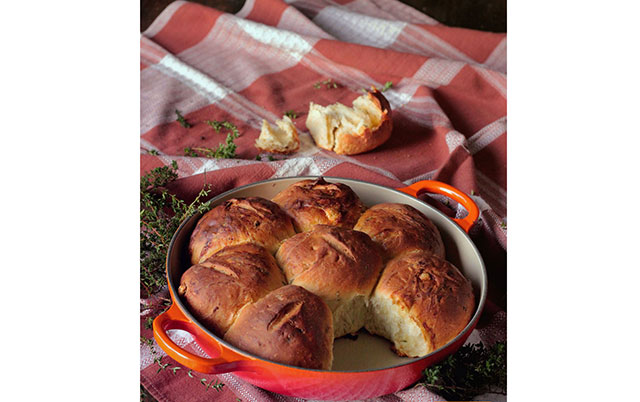
ν 240 grams cake flour
ν 20 grams baking powder
ν 2 grams salt
ν 5 grams mustard powder
ν 100 grams butter
ν 100 millilitres milk
ν 1 egg, beaten
ν 200 grams smooth cottage cheese
ν 30 grams parsley, finely chopped
ν Freshly gound pepper to taste
In an age of information overload, Sunrise is The Namibian’s morning briefing, delivered at 6h00 from Monday to Friday. It offers a curated rundown of the most important stories from the past 24 hours – occasionally with a light, witty touch. It’s an essential way to stay informed. Subscribe and join our newsletter community.

The Namibian uses AI tools to assist with improved quality, accuracy and efficiency, while maintaining editorial oversight and journalistic integrity.
Stay informed with The Namibian – your source for credible journalism. Get in-depth reporting and opinions for
only N$85 a month. Invest in journalism, invest in democracy –
Subscribe Now!