A young Namibian woman on TikTok recently posted a video saying she had reached three million views on a piece of content, but that it was pointless because she is Namibian.
For most other creators online, that number would signal opportunity, advertising revenue, brand deals, commissions and more. Sadly though, she is right. Being from Namibia does mean she cannot access the vast wealth the global creator economy has in the same way as others.
As a writer and creative, I’ve also watched my work travel across the internet with no real, tangible improvement to my life. I’ve gotten millions of views, thousands of engagements, and my content has crossed borders I’ve never physically crossed myself.
And yet, those numbers often remain just that, numbers. Visible proof of reach, but not always convertible into income.
The only thing that really keeps Namibian creators going is the love of the game and their passion for what they do.
We often describe the internet as a space where geography no longer matters. In many ways, that is true. A piece of content created in Windhoek can circulate globally within minutes. One can work from anywhere for anyone.
Platforms such as YouTube, TikTok and Instagram have made it possible for voices outside traditional media centres to be seen, heard and followed.
REAL MONEY TO BE MADE
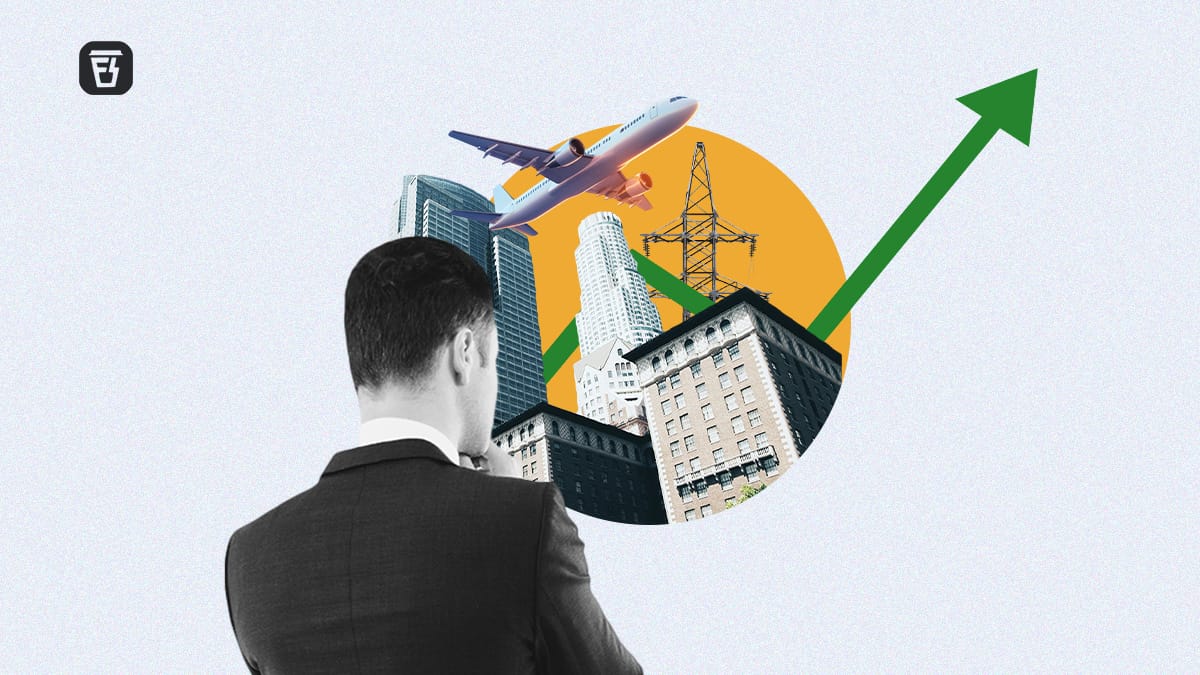
Studies and reports show that the global creator economy is now worth hundreds of billions of (US) dollars and is still growing fast. Brands spend huge amounts on influencer marketing. Creators get paid through ads, sponsorships and different programmes. There is real money to be made here.
One of the problems is how to actually access it. Platforms like PayPal are used all over the world to send and receive money online. For many freelancers and creators, it is the main way they get paid.
But Namibia is not fully connected to this system and others like it. In some cases, people can create accounts, but it’s difficult or impossible to easily withdraw their money and deposit it into local bank accounts.
There have of course been discussions between global payment companies and the Bank of Namibia for years, but full integration has remained unresolved.
The same issue shows up in affiliate marketing. This is a new way creators earn online by promoting products using unique links. If someone clicks that link and buys what you’ve shared, you earn a small commission.
Big companies like Amazon and Shopify run huge affiliate programmes like this. Around the world, creators make serious income this way, and studies say affiliate marketing also brings in billions of dollars every year globally. This is something anyone can do from anywhere – except if you’re Namibian, of course.
Most of the time, one can’t even access the website to read how the earning opportunities work if you aren’t in particular territories, and the sites also don’t deliver to Namibia.
The same thing happens in freelance work.
Platforms like Upwork, Fiverr and Freelancer connect people around the world to jobs like writing, design, editing, coding and more. With a South African bank account, you could work fully remotely, earning in foreign currency and easily serving an international client base.
With a Namibian bank account, you can watch from the sidelines as work you are fully qualified to do goes to other people.
Another issue is the size of our market. We’ve heard it a million times: Yes, there are so few Namibians that there aren’t really any companies who think we are worth advertising to and paying creators for.
But African music, fashion, humour and storytelling are everywhere online. The world is looking to this continent more and more. They are watching, sharing and engaging with content from the continent more than ever before. There is no reason why we cannot be a part of this ecosystem.
DESIGNED TO BE UNEQUAL
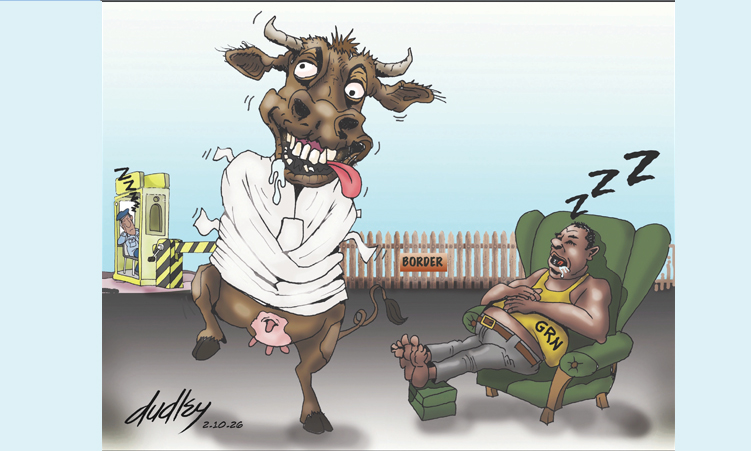
It’s easy to think this is just a government issue, but it’s actually bigger than that. It’s about how the global digital system was built in the first place. It was designed to be unequal from the start.
For creators in Namibia, that means something very specific. You can have a global audience, but local earnings. Your work can travel far, but your income cannot always follow it.
If you look at Gelda Waterboer, the teacher who went viral for her children’s song that teaches boundaries, she’s been able to raise funds through donations, but she still hasn’t seen the mass onboarding of brands and sponsors as is common elsewhere.
Other Namibians who have found foreign fame are able to access these privileges through the connections of their international agents and supporters. Without that? You’re in the desert (literally).
It’s not that Namibians are not participating. We are. Every day. We are posting, creating, editing, telling stories and building audiences that stretch far beyond our borders. We are part of a global culture now – whether we planned to be or not.
And until the systems behind the internet catch up with the idea of a truly borderless economy, there will always be a glaring gap in the input and output.
There’s no one-size-fits-all solution, but it’s definitely something that should never leave the conversation.
We should continually push to be a country that has leverage and can participate.
– Anne Hambuda is a writer and social commentator. Follow her online or email her at annehambuda@gmail.com for more.