



• HANKS SAISAICROP FARMING IS an agricultural activity that involves the tilling or cultivation of land to ensure its preparedness before a farmer decides to grow plants that will later mature into produce for consumption or sale.
Conventionally, farmers propagate their plants using vegetative cuttings from a parent plant, or buying seeds that are sown into the soil to grow new plants.
To this end, seeds are an essential input a farmer must procure to successfully grow crops.
When buying seeds, some key considerations should be kept in mind.
The first one is the cultivar of the specific crop one intends to grow.
By definition, a cultivar is a type of plant farmers have cultivated for its desired traits.
These traits are reproduced in each new generation through methods such as grafting, tissue culture, or carefully controlled seed production.
For instance, if a farmer chooses to grow maize, there are many cultivars on the market to choose from. It is therefore always advisable for the farmer to buy a maize type that suits his crop field’s local weather conditions.
Such conditions range from sporadic rainfall to drought and occasional overcast conditions that may have a significant effect on the growth rate of crops.
Secondly, a crop farmer should understand the importance of knowing the correct season in which the seeds are to be sown to achieve optimum germination and emergence rates in the crop field or garden.
The back of the seed packet usually clearly stipulates when a particular crop can be grown.
The third aspect to consider, that is also indicated on the back of most seed packets, are the ideal growing conditions for that specific cultivar.
Most seed packs show whether full sunlight, semi-shade or shade-net conditions are for good growth.
A fourth consideration is the sowing method to ensure good germination. Seed packs will guide a farmer on the specific sowing method to use for each crop.
Seeds can be sown in trays and later transplanted to seedbeds, or can be sown directly into seedbeds until harvest time.
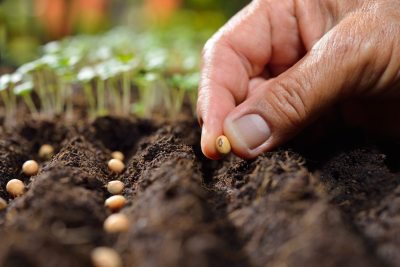
The fifth consideration is the recommended sowing depth for each type of crop at the time of sowing.
It is important that after sowing, the crop field or seedbeds are kept moist by watering them daily.
The farmer must know that after sowing, seed germination and emergence will take between seven and 14 days.
Finally, a farmer must keep in mind how long it takes the crop to reach maturity, which is indicated on the seed pack.
A farmer must be familiar with these different considerations at the start of each growing season until the harvesting stage to achieve success in his of her venture.
* Hanks Saisai is Agribank’s technical adviser: crops and poultry.
In an age of information overload, Sunrise is The Namibian’s morning briefing, delivered at 6h00 from Monday to Friday. It offers a curated rundown of the most important stories from the past 24 hours – occasionally with a light, witty touch. It’s an essential way to stay informed. Subscribe and join our newsletter community.

The Namibian uses AI tools to assist with improved quality, accuracy and efficiency, while maintaining editorial oversight and journalistic integrity.
Stay informed with The Namibian – your source for credible journalism. Get in-depth reporting and opinions for
only N$85 a month. Invest in journalism, invest in democracy –
Subscribe Now!