Social media use among the youth has increased drastically in recent years.
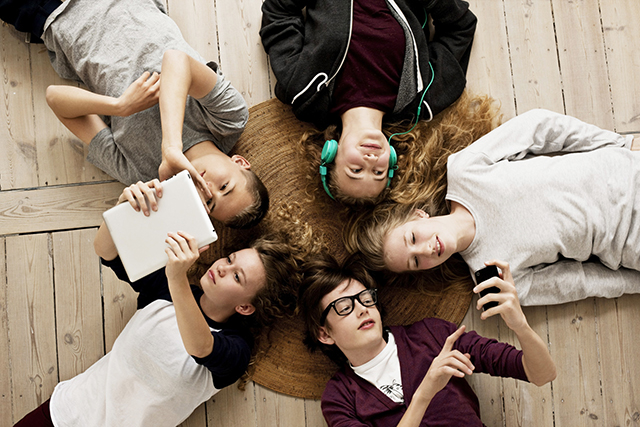
Many Namibian tweens and teens engage with various social media platforms such as Twitter, Instagram, YouTube and Snapchat, which helps them keep up with the latest trends, their favourite artists and their peers.
Young people utilise social media to stay connected, have fun, share their interests and, for many, it is an extension of real life relationships. Social media also provides support networks for a range of things which affect the lives of young people today, from those in the LGBTQ community, who may be interested in mental health, to climate change, fashion, sports – the list is really endless. Social media helps young people learn and build their knowledge and skills. It’s a great source of inspiration and an outlet for creativity.
While it may be fun to spend hours scrolling through social media, it definitely has a negative side to it as well, and it’s important that we are aware of the possible dangers.
Besides actually taking up a lot of time, that could perhaps be better spent studying or actually spending time with our family and friends, social media is also rife with social comparisons and even cyber bullying.
Director of the social media agency Sociality, Japie Swanepoel, defines social media as a collection of various online platforms that allow individuals to post, share and comment on and with videos, articles, photos, GIFs, memes, presentations and more.
“It is a collection of platforms allowing individuals, companies, organisations and charities to share their positive information in order to add value to the lives of those people who read the stories, watch their videos and listen to their audio clips,” he said.
Swanepoel cites entertainment as the main reason young people use social media, with many spending on average between two to four hours per day on different sites. He’s concerned about young people spending too much time online.
“Lack of sleep, lack of social interaction, a drop in school marks, depression and being bullied are some of the main concerns,” he said.
Young people may also be exposed to inappropriate content which includes sexually explicit images and videos and violence.
Swanepoel particularly urges young people to refrain from bullying and says never to share their home address, post anything negative, swear, make racial comments, state anything that can be considered gender-based or religious discrimination, share passwords, give credit card details or post any naked or semi-naked photos of themselves.
Another risk is the one to children’s privacy and security because what they expose about themselves online will always stay there and can be used negatively in future.
Young people may disclose personal information which could be twisted in cases where friendships end.
Despite the rampant negatives of social media, we all still love to be active on various sites. Swanepoel said there are still plenty of positive benefits to be found, such as sharing uplifting stories, influencing others with good news, challenging people to do meaningful things and raising awareness on important global and local issues.
While children are starting to engage with social media at an ever younger age, Swanepoel points out that the minimum age to open an account on Facebook, Twitter, Instagram, Pinterest, TikTok and Snapchat is 13.
“YouTube requires account holders to be 18, however a 13-year-old can sign up with a parent’s permission,” he said.
Unfortunately, these age limits are not always enforced by the various sites, and young people often lie about their age when signing up.
“I would like to urge the youth to find a way to tell youngsters to use social media for more good reasons. Let’s be safe and happy while using social media,” Swanepoel said.
Social media use among the youth has increased drastically in recent years.
Many Namibian tweens and teens engage with various social media platforms such as Twitter, Instagram, YouTube and Snapchat, which helps them keep up with the latest trends, their favourite artists and their peers.
Young people utilise social media to stay connected, have fun, share their interests and, for many, it is an extension of real life relationships. Social media also provides support networks for a range of things which affect the lives of young people today, from those in the LGBTQ community, who may be interested in mental health, to climate change, fashion, sports – the list is really endless. Social media helps young people learn and build their knowledge and skills. It’s a great source of inspiration and an outlet for creativity.
While it may be fun to spend hours scrolling through social media, it definitely has a negative side to it as well, and it’s important that we are aware of the possible dangers.
Besides actually taking up a lot of time, that could perhaps be better spent studying or actually spending time with our family and friends, social media is also rife with social comparisons and even cyber bullying.
Director of the social media agency Sociality, Japie Swanepoel, defines social media as a collection of various online platforms that allow individuals to post, share and comment on and with videos, articles, photos, GIFs, memes, presentations and more.
“It is a collection of platforms allowing individuals, companies, organisations and charities to share their positive information in order to add value to the lives of those people who read the stories, watch their videos and listen to their audio clips,” he said.
Swanepoel cites entertainment as the main reason young people use social media, with many spending on average between two to four hours per day on different sites. He’s concerned about young people spending too much time online.
“Lack of sleep, lack of social interaction, a drop in school marks, depression and being bullied are some of the main concerns,” he said.
Young people may also be exposed to inappropriate content which includes sexually explicit images and videos and violence.
Swanepoel particularly urges young people to refrain from bullying and says never to share their home address, post anything negative, swear, make racial comments, state anything that can be considered gender-based or religious discrimination, share passwords, give credit card details or post any naked or semi-naked photos of themselves.
Another risk is the one to children’s privacy and security because what they expose about themselves online will always stay there and can be used negatively in future.
Young people may disclose personal information which could be twisted in cases where friendships end.
Despite the rampant negatives of social media, we all still love to be active on various sites. Swanepoel said there are still plenty of positive benefits to be found, such as sharing uplifting stories, influencing others with good news, challenging people to do meaningful things and raising awareness on important global and local issues.
While children are starting to engage with social media at an ever younger age, Swanepoel points out that the minimum age to open an account on Facebook, Twitter, Instagram, Pinterest, TikTok and Snapchat is 13.
“YouTube requires account holders to be 18, however a 13-year-old can sign up with a parent’s permission,” he said.
Unfortunately, these age limits are not always enforced by the various sites, and young people often lie about their age when signing up.
“I would like to urge the youth to find a way to tell youngsters to use social media for more good reasons. Let’s be safe and happy while using social media,” Swanepoel said.
In an age of information overload, Sunrise is The Namibian’s morning briefing, delivered at 6h00 from Monday to Friday. It offers a curated rundown of the most important stories from the past 24 hours – occasionally with a light, witty touch. It’s an essential way to stay informed. Subscribe and join our newsletter community.

The Namibian uses AI tools to assist with improved quality, accuracy and efficiency, while maintaining editorial oversight and journalistic integrity.
Stay informed with The Namibian – your source for credible journalism. Get in-depth reporting and opinions for
only N$85 a month. Invest in journalism, invest in democracy –
Subscribe Now!