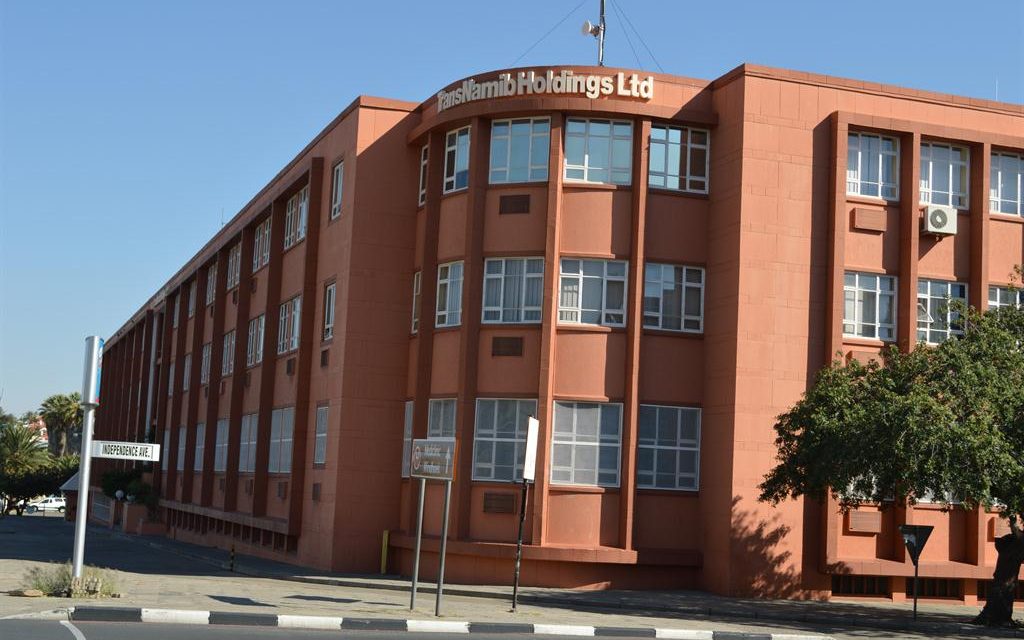






A Billion-Dollar railway runs silently from Tsumeb to Oshikango.
Built to connect Namibia and Angola, today it carries zero freight and almost no passengers.
Namibia has long recognised that infrastructure is the backbone of sustainable development.
The northern railway line, stretching from Tsumeb, through Ondangwa, to Oshikango at the Angolan border, is among the country’s most ambitious projects.
This project was envisioned as a corridor to stimulate trade, create jobs and open up Namibia’s northern regions to economic opportunities.
COUNTING THE COST
Phase one, stretching from Tsumeb to Ondangwa, cost an estimated N$841 million, while phase two, from Ondangwa to Oshikango, added another N$329 million.
In total, Namibia invested over N$1.17 billion – with some reports placing the overall expenditure closer to N$1.3–1.4 billion when all related works, such as stations, sleepers and signalling, are included.
These are substantial sums drawn from the public purse, reflecting the trust Namibians placed in their government to manage their resources prudently.
Yet, the Ondangwa-Oshikango section of the railway remains largely unused.
Passenger trains are infrequent, freight transport is zero, and the line is not fulfilling the economic potential that justified such a heavy investment.
It raises serious questions about accountability, governance and the ability of public institutions to convert infrastructure investments into tangible benefits for the people.
ASLEEP AT THE WHEEL
The railway is far more than steel tracks and concrete sleepers.
It is a vehicle for development, a tool for regional integration, and a potential engine for job creation.
If fully operational, it could significantly reduce transport costs for Namibian businesses and open up access to Angola and beyond, thereby increasing trade volumes and generating revenue.
Moreover, it could directly benefit ordinary citizens: children could use the railway for school tours, allowing them to explore Namibia’s northern regions safely and affordably while learning about their country’s economy, geography, and history.
However, what is particularly concerning is the lack of strategic thinking by the relevant authorities, especially the National Planning Commission (NPC).
It seems the NPC has failed to envision practical ways to ensure that large-scale infrastructure projects, such as the northern railway, are not only built but become economically productive.
Directives such as instructing TransNamib to establish a national locomotive shed at Oshikango, for instance, could have transformed the railway into a self-sustaining economic asset.
Yet, such initiatives are either absent, delayed or inadequately prioritised.
This points to a broader pattern of planning that does not always anticipate the operational realities or the potential socio-economic benefits of major investments.
A ‘HUB OF HOPE’
There are practical steps that can transform this idle railway into a thriving economic artery.
For instance, TransNamib should establish a locomotive shed at Oshikango.
Such a facility would not only maintain and service trains but provide dozens of jobs for skilled technicians, including graduates of vocational training centres.
It would create a hub of technical expertise in a region where employment opportunities are scarce, empowering youth and reducing unemployment.
Namibia could also consider establishing a container manufacturing plant at Oshikango.
Locally produced containers could be transported via rail to urban centres and coastal ports, supplying logistics companies and supporting Namibia’s growing trade sector.
This would ensure the railway is used consistently, delivering a tangible return on the billions invested in it.
Employment would multiply in the railway sector, in manufacturing, logistics, and ancillary services.
Revitalising the railway would also breathe new life into Oshikango as a border town. Businesses would return, trade would flourish, and the town could evolve into a regional hub for commerce and transport.
The railway would no longer simply be an infrastructure project, it would become a cornerstone of northern Namibia’s economic development, helping reduce poverty, stimulate local economies, and increase the country’s competitiveness within the Southern African Development Community.
IT’S TIME TO ACT
Constitutionally, Article 95 obliges the state to actively promote the welfare of its people through policies that secure economic growth, enhance productivity, and ensure fair opportunities for all citizens.
Leaving a N$1.17 billion railway line idle is inconsistent with this mandate.
The public has a right to know when this investment will start generating the intended returns.
Operationalising the railway would send a clear message: Namibia values its infrastructure, respects the taxpayer, and is committed to leveraging investments for meaningful economic and social outcomes.
It is also politically sound. Accountability and tangible results reassure citizens and investors that the country is capable of translating ambitious projects into real-life benefits.
The Tsumeb-Oshikango railway is a national asset too important to be neglected.
It is time to reap the economic and social benefits of this investment.
The government, and particularly the National Planning Commission, must move beyond limited, short-term thinking and ensure that directives translate into practical, operational solutions.
The railway is not just a line on a map; it is a pathway to prosperity. We cannot afford to let it go unused.
- Hidipo Hamata is a former member of the parliament. This article is written entirely in his personal capacity and doesn’t reflect those of any party or organisation.