


When it comes to second-hand shopping, many overlook the benefits because of negative perceptions such as products being shabby or unhygienic.
However, besides saving money, shopping for used items is also good for the environment.
When it comes to second-hand clothes, dealers are able to purchase bundles at very affordable rates, which means the customer spends less – leaving more money for other essentials.
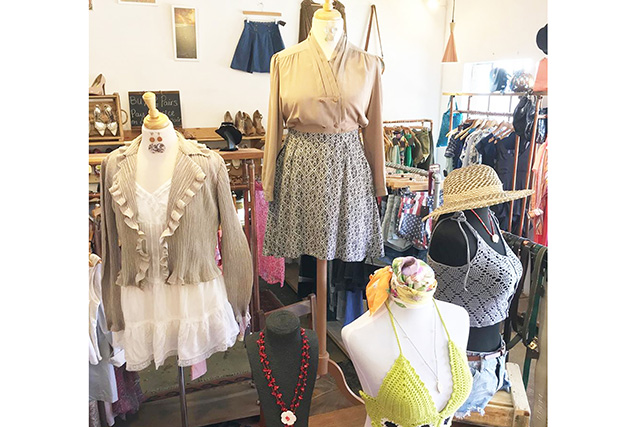
The Red Shelf, located in Windhoek and Swakopmund, sells carefully curated second-hand clothing, books and accessories for both men and women.
Sekai Hartz, the consignment boutique owner, emphasised that buying second-hand is environmentally friendly and represents a more sustainable way of life.
“Most fabrics and materials are not biodegradable so they end up in a landfill or at sea and they become pollutants. Buying second-hand slows down the production of new clothes, which usually uses natural resources or synthetic materials whose production almost always causes pollution,” she said.
Hartz also pointed out that when shopping for second-hand clothing, one is able to find more unique pieces.
“We specialise in upscale brands and materials because they present better and they often go to a third or even fourth user. In some instances shoppers look for quality and want everything to be perfect while forgetting that their items may have been pre-owned,” Hartz said.
Swap my Look (SML), an event founded by Elly Disney Andreas, is also a great way to cultivate an individual sense of style. Andreas, a 27-year-old fashion blogger, YouTuber, environmentalist and co-founder and fashion director at Monochrome Magazine, said SML is centred around the principle of recycling and upcycling.
She said the idea for the initiative was sparked while she was decluttering her closet and found a lot of items that she no longer needed.
“Everyone has clothes in their wardrobe that they no longer wear, may not fit anymore, don’t meet their style at the moment or they may simply want more wardrobe space. SML is just a cooler term to describe the gateway to sustainable eco-friendly fashion,” she said.
SML participants bring one complete look. This look can be any type of clothing even accompanied by accessories such as a hat, earrings, rings and even sunglasses.
“All the clothes will be relatively laid down on tables and the swap begins. Participants may help themself to anything they desire, absolutely free. Any leftover clothes will be donated to a charitable foundation,” Andreas explained.
Andreas advises shoppers to inspect second-hand clothing to ensure it is in a good condition, and thereafter to have it dry-cleaned. She also urged people to take better care of their clothes.
“The reason why you chose them in the first place is because they resonate with your style, so take good care of them. Someone might just want to get the same look as you. Repurposing your old clothes has always been fun. Let’s take your old dress for instance. You can use the fabric to make grocery or produce bags for food shopping, or turn an old stretched out T-shirt into a head wrap. The list is endless,” Andreas said.
Fashion lover Lucy Swartbooi started her second-hand shopping three years ago.
“One person’s trash can be another’s treasure as the old saying goes. I am always on the lookout for great clothing and I love it,” Swartbooi said.
In an age of information overload, Sunrise is The Namibian’s morning briefing, delivered at 6h00 from Monday to Friday. It offers a curated rundown of the most important stories from the past 24 hours – occasionally with a light, witty touch. It’s an essential way to stay informed. Subscribe and join our newsletter community.

The Namibian uses AI tools to assist with improved quality, accuracy and efficiency, while maintaining editorial oversight and journalistic integrity.
Stay informed with The Namibian – your source for credible journalism. Get in-depth reporting and opinions for
only N$85 a month. Invest in journalism, invest in democracy –
Subscribe Now!