As of late, many major services have been accessible on the internet for free. You can roam the net without being regulated – no one needs to tell you which website you can visit and when to visit it. That’s the beauty of the internet – it’s a digital hub of information at your disposal. Unless you’re a website like Netflix, Airbnb or that European online store that you can’t help but get your beauty products from.
With these services, you know that you’re expected to pay. It’s all fun and games with the internet, but what happens when your internet usage is regulated?
People in the United States almost threw a fit when the Federal Communications Commission wanted to create new rules about how the internet is used. In other words, no longer having a space for open internet – which we know as net neutrality. And when this is broken, it means that you won’t be able to Google, Yahoo or access sites for free any more. If you’re a Twitter user, for example, you’d often hear comments such as ‘thank goodness this app is free’ and sadly, it might just have repercussions.
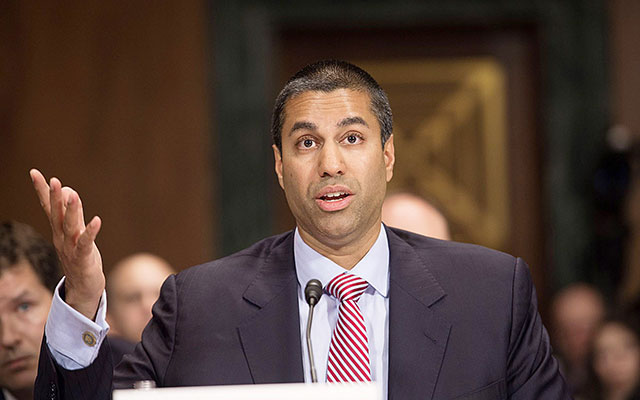
The reason why this is happening is because the American government believes that people just have too much free reign over the internet. It’s not looking good. And it seems that in two weeks, the FCC will make its final ruling to eliminate the rules. The FCC chairman, Ajit Pai, has been under attack since this revelation was revealed, and millions of people have already spoken out against the harsh reality.
In layman’s terms, net neutrality is basically what everyone wants right now – the freedom to communicate online and free speech. In other words, internet service providers aren’t allowed to block you or control your usage. The same way a service provider isn’t allowed to regulate what you say or listen in to your conversations.
However, if net neutrality is scrapped, it will mean that you will be charged extra fees for certain websites and more preference will be given to certain users based on how much they have paid. Which is questionable, if you look at the bigger picture because the regular Jane and Johns will not be able afford these payments, resulting in slower internet services for them.
In other words, classism, i.e. giving more attention to the rich. And sadly, this might limit the voices of those on the internet. Twitter will not be as funny as it was any more. Facebook comments will never be the same. If you’re not a ‘premium’ client on the net, you will not be able to use it as much as you did before.
The marginalised community could be silenced once again, especially if they say something that the government does not agree with. It will close doors for people. It will limit movements and public outrage.
Pai, who was nominated by Donald Trump, believes that “heavy-handed Title II regulations just make the problem worse! They reduce investment in broadband networks, especially in rural and low-income areas. By turning back time, so to speak, and returning internet regulation to the pre-2015 era, we will expand broadband networks and bring high-speed internet access to more Americans, not fewer”.
Celebrities such as Cher, Alyssa Milano and Mark Rufallo strongly disagreed. “Taking away #NetNeutrality is the authoritarian dream. Consolidating information into the hands of a few controlled by a few. Dangerous territory,” Rufallo wrote. Companies such as Airbnb, Twitter and Reddit have also said that it’s a terrible idea as it will hurt the economy.
It’s only a matter of time before the verdict is reached and whether the same law will spill over into Namibian market, seeing as a cyber ministry is in the works.