






It is 19h00 in a dimly lit garage in Windhoek West which has been turned into a recording studio.
The room smells of stale chips and Russians from Tom Thumb and energy drinks. Then there is the unmistakable smell of over-confidence and excitement.
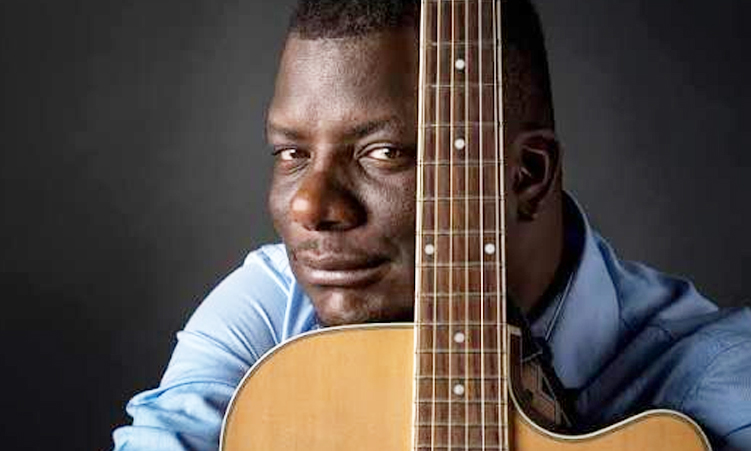
Ekanda, a well-known Namibian artist, strolls into the session accompanied by three loyal entourage members whose primary job description is shouting “iyoo!” whenever Ekanda breathes.
Ekanda hands the studio owner N$800 for studio time and utters those famous words: “Bra, give us a beat. You know my style.”
This usually means “I have nothing, so make me something from scratch”.
The producer fires up his digital audio workstation and drops a basic kick-snare loop with heavy shakers. As the percussion plays, Friend Number One suddenly leans into the microphone and chants: “Eka…kanda, eka, ka…ka…ka, ekanda! Wakanda, Kom ons Saka! Met die Kanda.”
Someone declares it sounds hot while studying the label of a bottle of Mellow-Wood. The producer records the vocal motif and spends the next three hours composing the keyboard chords, basslines, synth hooks and arrangement around it.
Four hours into the session, Ekanda steps into the vocal booth and records two short lines for verse one and another two for verse two. The remaining two friends record a four-word chant, which the producer copies across the arrangement to form the chorus. By midnight, the crew is convinced they have created Namibia’s next summer anthem.
Six months later, the song is playing in taxis from Independence Avenue to Walvis Bay and generating royalties. Suddenly, everyone wants a share. Who owns the copyright?
Ekanda believes he owns the song because it carries his name and his cover art, and he paid for the studio. Namibian copyright law tells a different story.
Under the Copyright and Neighbouring Rights Protection Act of 1994, copyright in a musical or literary work arises automatically once it is original and fixed in a material form.
Paying for studio time only covers the room, equipment and engineering services. It does not transfer copyright ownership.
The author of a musical work is the person who creates original musical expression. Where several people contribute original parts that become one song, the law may regard them as joint authors.
Friend Number One created the vocal hook that shaped the song. Ekanda wrote the verses. The producer composed the beat, melodies, basslines and harmonic structure. On these facts, all three would likely qualify as co-authors.
The other two entourage members probably would not qualify as co-writers, but because their voices appear on the recording, they may hold performers’ (neighbouring) rights in the master recording.
When royalties are distributed through the Namibian Society of Composers and Authors of Music (Nascam), contributors may each have claims to different royalties depending on the rights they own and any agreements in place. Copyright in the sound recording, or master, is also separate from copyright in the lyrics and composition.
To avoid disputes, artists should settle ownership before recording begins. Clarify whether the producer is selling or licensing a beat, acting as a co-composer, or simply providing studio services. Decide whether background vocalists are performers or co-writers.
Immediately after the session, complete a simple split sheet identifying who contributed lyrics, melodies or composition, together with agreed royalty percentages, names, identity numbers and signatures.
Register the completed work with Nascam to simplify royalty administration. Registration does not create copyright; protection exists automatically once the work is fixed.
If Ekanda wants sole ownership, every contributor must sign a written copyright assignment transferring their rights to him. A casual verbal agreement between ‘braste’ will not hold up in court.
Without these simple administrative steps, that midnight hit can quickly become a daylight nightmare.