




Frustration over tourist entries into Namibia and black economic empowerment (BEE) rules on Starlink’s desire to operate in Namibia highlight concerns that government regulations stifle customer service and private enterprise.
This month, the Hospitality Association of Namibia said room occupancy had declined by more than 4% in the first quarter of 2025 compared to the previous year.
Although not stating it directly, complaints about a change in the visa regime appear to be a major factor.
A Facebook page, Spotlight Namibia (that includes reports on tourism activities), has in recent weeks drawn attention to visa-related frustrations experienced by tourists entering the country.
“Three and a half hours to enter the country, and that’s with an e-visa – what on earth was that?” a tourist commented on the page.
This was avoidable, considering Namibia had more than a year to set up its new visa regime and provide clear information to tourists and tour companies.
While the government insists the visa change was necessary to push for fairness in international relations, frustrating tourists does not seem to solve politicians’ demands to enter other countries visa free.
Tourism contributed 6.9% to Namibia’s gross domestic product in 2022, equating to N$14.3 billion. Tourism establishments employ around 57 500 people, and represent almost 8% of total jobs.
The chaos affecting the tourism sector proves once again that frequent-flier politicians make decisions based on their egos rather than the best interests of the voting masses.
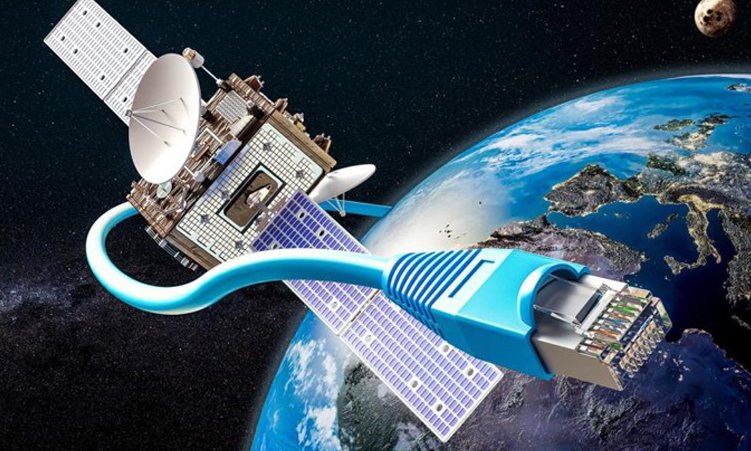
The same anti-private sector approach appears to be the main reason Starlink’s application to operate an internet service in Namibia is languishing in limbo.
If self-serving BEE policies are the obstacle, then the regulations no longer serve the broader customer, Namibian consumers. Starlink opponents in South Africa and in countries fighting against United States (US) hegemony at least point to geopolitical alignments, wrongly or rightly so.
But to merely keep satellite internet services at bay for dubious black empowerment reasons is a disservice to customers, especially in rural areas.
This is by no means an endorsement of Starlink owner, billionaire Elon Musk, who has made no effort to hide his racist outlook on life. Rather, it is about the Namibian government’s processes.
Musk’s Starlink submitted its application to operate in June 2024 and has requested exemption from the regulation which caps foreign telecom ownership at 49%.
The minister of information and communication technology has the power to grant a company the right to operate in Namibia without local partners.
Yet this matter has dragged on without so much as clarity as to what the decision will be.
Indecisiveness won’t propel us forward.
Namibian consumers should not be deprived of an alternative service because of flimsy BEE requirements.
In the overall scheme of things, what value would a Namibian shareholder (51%) actually add to Starlink and what will the country gain other than the usual instances of cronyism?
Government leaders keep claiming that private sector investment is needed to develop Namibia.
Yet, its actions often undermine its stated intent.
A decade ago, Jenik Radon, an adjunct professor at Columbia University in the US, wrote an article titled ‘Namibia as the Singapore of southern Africa’.
In his analysis, Radon outlined key focus areas that Namibia should focus on transforming itself into ‘a Singapore’, a nation that became an economic powerhouse in Asia within 45 years.
“Change never happens overnight, but with clarity of vision and commitment to its implementation, Namibia is poised to become one of the most dynamic economies in Africa and the world,” he wrote at the time.
We couldn’t agree more with Radon when he asked about Namibia: “The only question is, will it decide to take this leap?”
In an age of information overload, Sunrise is The Namibian’s morning briefing, delivered at 6h00 from Monday to Friday. It offers a curated rundown of the most important stories from the past 24 hours – occasionally with a light, witty touch. It’s an essential way to stay informed. Subscribe and join our newsletter community.

The Namibian uses AI tools to assist with improved quality, accuracy and efficiency, while maintaining editorial oversight and journalistic integrity.
Stay informed with The Namibian – your source for credible journalism. Get in-depth reporting and opinions for
only N$85 a month. Invest in journalism, invest in democracy –
Subscribe Now!