TO open a newspaper in Namibia is to bear witness to the widespread sexual- and gender-based violence (GBV) that plagues the country, much of it perpetrated by men.
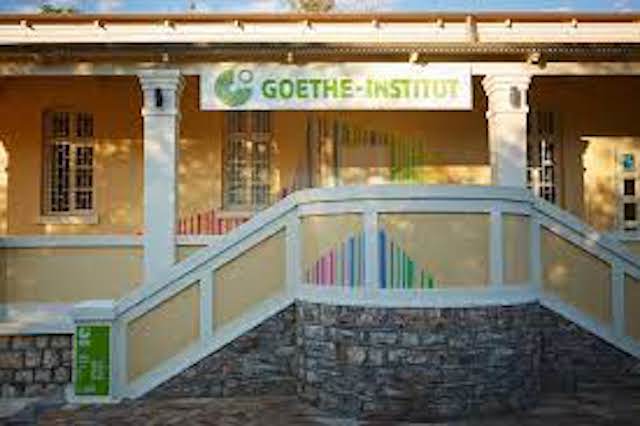
In 'The Caring Namibian Man', a photographic and audiovisual exhibition currently on display at Goethe-Institut Namibia, the Ombetja Yehinga Organisation Trust (OYO) offers the public an alternative to these images, and frames men as individuals capable of and engaged in acts of kindness, in contrast to the disheartening realities of rape, domestic violence and abuse.
Featuring photographs taken by 110 girls and 110 boys in the Ohangwena and Omusati regions, the collection presents scenes in which men are involved in activities such as pounding mahangu, elder and child care, milking animals, preparing meals, gathering water, gardening, laundry and teaching.
“The collection of photographs depicts men in Namibian society who step beyond the stereotype of violent and abusive persons,” says OYO founder and director Philippe Talavera, who also speaks to the initiative's first incarnation.
“OYO in 2005 initiated the photographic project, 'The Caring Namibian Man', to challenge the stereotype that all men are rapists, abusive and violent. The first round of the project featured at the 2007 Grahamstown Arts Festival,” says Talavera.
“Photographs and postcards were produced and featured men performing tasks that are not normally associated with the masculine gender, such as bathing children and stomping mahangu. Sadly, little has changed and GBV remains an issue in Namibia because there is not one week that passes without tales of GBV in our newspapers.”
To produce the collection, OYO taught girls and boys how to use a camera ahead of the establishment of school clubs to discuss social issues and identify photo opportunities to capture examples of Namibian men behaving kindly in their communities. The initiative resulted in 4 947 photos, and 30 boys and girls were tasked with selecting the 42 photographs currently on display at Goethe-Institut Namibia.
The photographs are exhibited alongside two audiovisual poems titled 'Be A Lady' and 'Be A Man', which highlight the stereotypes and sometimes toxic socialisation that shape men and women who routinely fall short of what it means to be the so-called gender ideal.
The two short films, which include talents such as Odile Gertze, Ashwyn Mberi, Adriano Visagie, Monray Garoeb, Jean-Louis Knouwds and Roya Diehl, premiered internationally at the Garden Route International Film Festival in South Africa last month.
The multifaceted exhibition and community outreach project, which included a panel discussion, titled 'Masculinity in Namibia in 2022 – Where do We Stand?' is funded by the embassy of Finland in Namibia, and supported by the embassy of Japan in
Namibia (catalogue and hosting), UNFPA and the Goethe-Institute Namibia.
'The Caring Namibian Man' will continue to tour schools and facilitate constructive discussions of evolving gender roles and stereotypes.
“Caring men do not make the news and are left unseen as uncelebrated heroes,” says Talavera.
“This is reflected in many matters encountered during the making of this project, such as one incident in which pupils wanted to photograph a man carrying the handbag of a lady while he was helping her, but he refused,” Talavera says.
“This is a sign for us to change the narrative and talk about healthy masculinity, in which kindness is a strength, and Namibia is a safer place for all.”
'The Caring Namibian Man' will be on display at Goethe-Institut Namibia until 24 August.
– martha@namibian.com.na ; Martha Mukaiwa on Twitter and Instagram; marthamukaiwa.com