






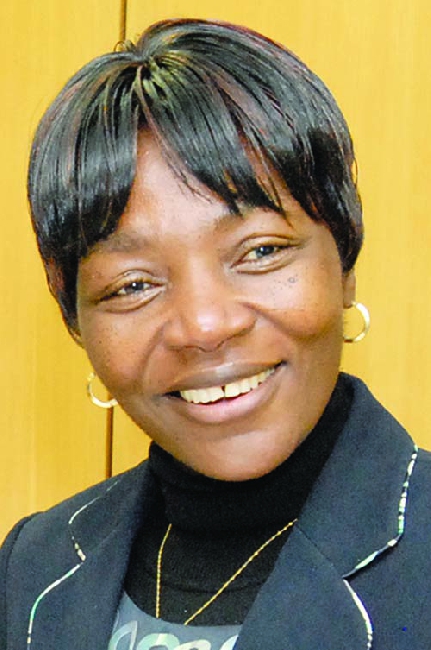
CHAIRPERSON of the Tender Board of Namibia Ericah Shafudah said they plan to strengthen accountability and transparency in issuing government contracts to avoid conflict of interest.
Shafudah made this promise in a public procurement reforms report of 2012/14 released last week. She also spoke about the Procurement Bill that will be retabled.
She said this would minimise the risk of corruption and conflict of interest.
Shafudah said the government will also soon introduce an international standard-based binding document and a code of conduct to go along with the plans to improve transparency of the tender system.
The tender board consists of permanent secretaries of ministries who decide who should get government contracts.
Permanent secretaries themselves have been at the wrong end of fixing tenders. Allegations of cartels and tender fixing have been leveled against the permanent secretaries.
Former member of parliament Kazenambo Kazenambo blasted some permanent secretaries last year for unprocedurally cancelling tenders contracted to private companies so that they can divert these jobs to entities owned by their friends and acquaintances.
Shafudah said in the report that a proposed Central Procurement Board (CPB) will replace the national tender board, whose role will be to award government contracts when the new procurement law is passed.
The tender board chair said the implementation of the bill will be done in phases to cover the entire procurement process.
She said the introduction of the bill will also require training for the civil servants who will be implementing the new system.
According to her, the implementation instruments such as regulations, operation procedures and binding documents are already drafted.
The plan, Shafudah said, was to also incorporate the new system into public procurement management in order to ensure that the government has trained professionals.
The finance permanent secretary said the new tender board will also include the empowerment aspect to include previously disadvantaged people in getting state contracts.
Meanwhile, The Namibian attributed a quote to Shafudah yesterday saying that “SMEs are also not well organised. They don’t have a forum where they can share ideas to increase benefits. Many people who are supposed to benefit do not read. Maybe it is the lack of information. We [the finance ministry] need to do more in terms of public outreach”.
The Namibian would like to clarify that Shafudah was not responsible for the quote, but it was a sentiment expressed by an official in the finance ministry.