



Namibia’s informal economy is contributing 25% to the country’s gross domestic product (GDP) – a figure that surpasses the contribution of the mining industry by 12%.
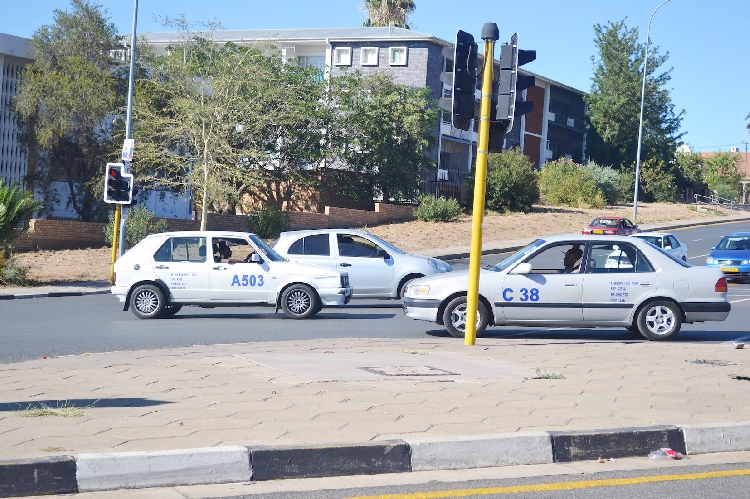
This sector is made up of taxi drivers, hairdressers, street vendors, domestic workers, market traders, seamstresses and small-scale farmers and fishermen.
According to the latest report on informality diagnostics in Namibia, the informal sector employs 57.7% of the country’s workforce.
This is about 400 000 people, with Namibia’s total labour force standing at about 700 000.
According to the report, the majority of these workers operate without access to basic employment benefits such as pension, medical aid, or social security.
In rural areas, 79% of workers are employed informally, compared to 42% in urban areas.
Despite its importance, the informal sector faces serious challenges, such as a lack of secure, suitable, and well-serviced spaces to operate in.
“The nature of businesses in the informal sector hinders it from accessing the necessary financial assistance and support necessary for their growth.

The cumbersome process of business registration and the high cost associated with formalisation is deterring many informal entrepreneurs from registering their businesses,” the report states.
Many informal traders and food vendors are forced to work in undesignated areas, which exposes them to theft, weather hazards, and frequent clashes with the authorities.
Poorly designed or located markets also limit customer access, undermining the viability of small businesses.
“Micro, small and medium enterprises and informal businesses often struggle to reach broader and organised markets due to a lack of resources, knowledge, and market information or connections, which limits their ability to access a wider customer base necessary for growth,” the report states.
To address this, local councils and development partners are considering expanding and replicating successful informal market models like those in Windhoek’s open markets across other regions.
These markets would be located near transport hubs or shopping centres, and be equipped with basic infrastructure, shade, clean water, ablution facilities, waste disposal, secure storage, and electricity supply.
“Dedicated informal markets should involve trader representatives in their management. This ensures responsiveness to traders’ needs and promotes sustainable business growth,” the report notes.