


In February, a 13-year-old girl from Pretoria sent a photo to someone. This photo was leaked and found its way onto various WhatsApp groups. The girl was teased by her classmates online and less than a week later, she committed suicide.
Last month, Miss Namibia released photos of the top 30 semi-finalists. Many bullied some of the contestants, calling them ‘ugly’ and insulting them till kingdom come, forcing some to deactivate their social media accounts or set them to private to block out the negativity.
These are just a couple of examples of cyberbullying, an act few are willing to admit they have committed. Defined as ‘the use of technology to harass, threaten, embarrass or target another person’, cyberbullying has destroyed lives because someone thought there were no repercussions to what they say. As easy as it is to send a message, it is just as easy to break down someone’s self-esteem and send their mental health spiralling.
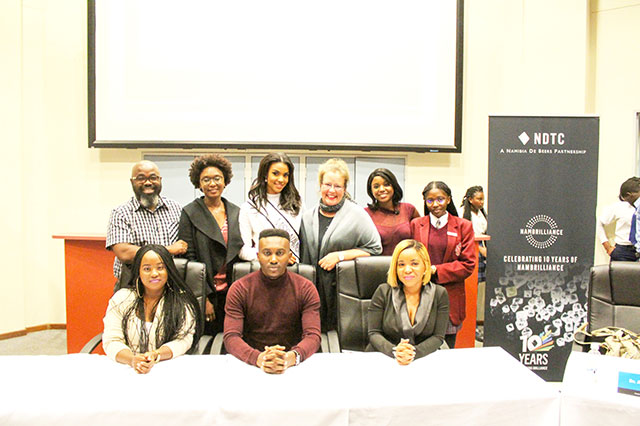
Recently, Miss Namibia 2018 Selma Kamanya hosted a cyberbullying panel discussion where social media personalities and psychiatric professionals educated the public on the act.
“Words are such a powerful thing and I don’t think people comprehend or understand the power of them,” singer Ann Singer, one of the panelists, told The Weekender. “Bullying is bullying, whether it’s physical or on social media. When you say something to someone, some take it and it becomes a part of them. They start to question themselves.”
Further stating that cyberbullying is done for some type of mean-spirited ‘fun’, Singer said people do this without realising that it could cost someone’s life. “I think it’s important to choose our words carefully and choose when it’s time to have fun and when it’s time not to. I’ve realised that a lot of people like to body shame others on social media. Sometimes, a person is the way they are because that’s how they were created by God. Or someone could be a mother and they have a big belly or something, and then you find people body shaming this person. They become self-conscious.”
As someone who has experienced cyberbullying, Kamanya added on to the discussion. “I can sympathise with those who have gone through it and know that it might make you inaudible, it might affect your self-esteem, self-image, induce anxiety and ultimately deteriorate your self-confidence,” she said. As a mental health advocate, Kamanya often spearheads events such as these, also catering to schoolchildren, to spread awareness about the issue.
Former Namibia University of Science and Technology student representative council president Marvelous Shilongo said it’s about accountability.
“It is very easy for us to identify a problem, but never easy for us to see ourselves as the problem and we, as a nation, should learn to call out perpetrators.”
Ultimately, the public is urged to speak out against cyberbullying and seek help from friends, family or professionals.
Lifeline/Childline Namibia’s SMS line is 081 140 0222 or social workers at the Ministry of Health and Social Services can be contacted at 061 203 2602.
– With additional information from Space Dimensions
In an age of information overload, Sunrise is The Namibian’s morning briefing, delivered at 6h00 from Monday to Friday. It offers a curated rundown of the most important stories from the past 24 hours – occasionally with a light, witty touch. It’s an essential way to stay informed. Subscribe and join our newsletter community.

The Namibian uses AI tools to assist with improved quality, accuracy and efficiency, while maintaining editorial oversight and journalistic integrity.
Stay informed with The Namibian – your source for credible journalism. Get in-depth reporting and opinions for
only N$85 a month. Invest in journalism, invest in democracy –
Subscribe Now!