Much of the conversation about the boy child has been held in the shadow of the girl child. The two are set against each other, with the boy presented as the one left behind by policy.
That framing is tempting, and I think it is a distraction. The policies built around the girl child did not appear from nowhere.
They answer a long history of exclusion, and that history fairly justifies the government’s imperative. To argue that the boy child has been forgotten by policy is to fight the wrong battle, on ground that was settled for good reason.
The conversation worth having sits deeper than policy. It asks a harder question, one no ministry can answer on our behalf: what is the male role model doing?
Somewhere along the way we outsourced the raising of boys. We handed it to schools, to screens, to the street, to the state, to anyone but the men who were meant to stand closest. A boy learns what a man is by watching one. When no man is watching him in return, he learns it elsewhere, and the lessons the street teaches are rarely gentle.
This is where the vacuum forms. A boy without stewardship does not simply stall; he drifts, and the direction of that drift shows in our courts and our crime figures, in the young men who arrive at violence long before they arrive at purpose.
Violent crime is not born of poverty and circumstance alone. It grows, too, in the space a father, an uncle, a mentor, a coach was meant to occupy and did not.
A woman can carry a great deal of this, and many carry all of it alone, with a strength that deserves our respect. That strength should never become the reason a man steps away. The role of the male figure is not a burden to be handed off because someone else is willing to bear it. There is a particular work a man is best suited to do, the daily showing of what steady, principled manhood looks like from the inside, and the boy child is watching for it.
A balanced society needs the boy child to rise into a man who steadies it rather than threatens it. That does not begin with a policy. It begins with a man deciding to be present, to be watched, to be worth copying.
The steward the boy child is waiting for is not the government. It is us.
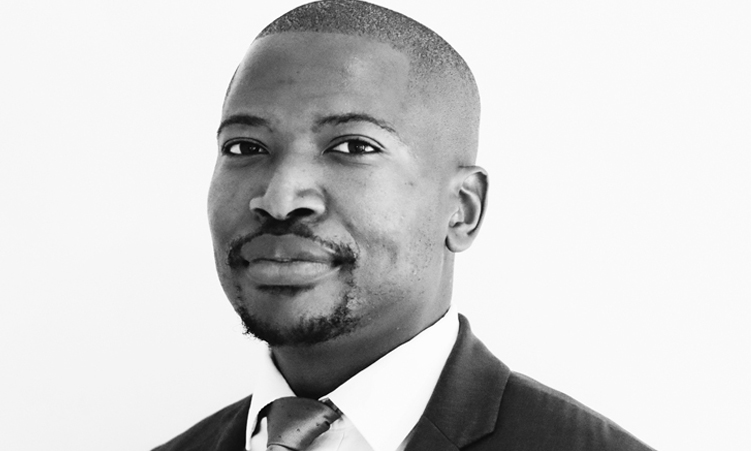
– Johannes Shangadi is a Namibian legal professional and managing consultant at Strategic Corporate Advisory Namibia. He passionately writes on career growth, professional visibility and navigating competitive job markets.