




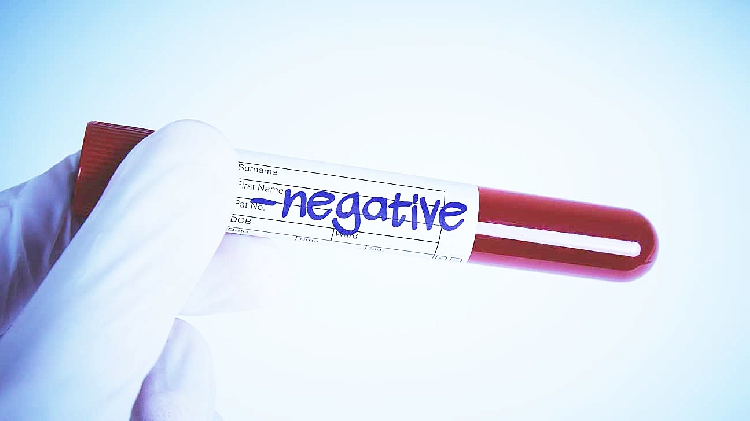
Based on an article by the Centre for Disease Control and Prevention, sexually transmitted diseases (but now referred to in the medical community as sexually transmitted infections) are described as “the infections and resulting clinical syndromes caused by approximately 30 infectious organisms”.
Although their origin is still unknown, there are over 15 types of known STIs. overviews a few symptoms, treatments and what you can do to protect yourself against these STIs.
If you are a woman in the reproductive stage, you are more likely to contract this infection. Symptoms are rare, but unusual discharges, painful urination or itching are warning signs. Doctors will prescribe vaginal creams, antibiotics and other types of medication. Although it is not necessarily an STI but an associated infection, sexual activity also leads to contracting BV. It is strongly advised to refrain from spraying unauthorised substances onto or around the genital area as it creates a chemical imbalance.
Chlamydia trachomatis is an infection found frequently in sub-Saharan Africa, causing disturbingly high cases of infertility. Something as simple as a dirty toilet could make you fall victim to it. Despite its lack of symptoms, an abnormal genital discharge or painful urination are reason enough for a doctor’s visit. Antibiotics are normally used to treat chlamydia, but doctors encourage both partners to test for this. A waiting period of seven days or more is recommended before engaging in sexual activity.
Public lice, also known as crabs, are insects that are found in pubic hair, but other body hair such as armpits, eyebrows, beard or chest hair can also fall victim to crabs. These lice cause itching, blue spots and various sores. Spread through sexual contact, it is possible for lice to be transmitted through shared clothing or bedding with someone who has pubic lice. Prescriptions or over-the-counter shampoos are recommended.
One of the most common STIs, gonorrhea is an infection that could lead to infertility in both men and women. Although it is treatable, there is a new strain of gonorrhea that is resistant to modern antibiotics. Infections in the mouth, throat, eyes and anus are caused by gonorrhea. To prevent this infection, abstinence is key or use a condom.
Herpes is one of the sexually transmitted infections that cannot be cured and sadly, not many people are aware that they have it. Symptoms include blisters around the genitals and a breakout of sores. This can be treated through daily prescriptions by medical professionals which may minimise the risk of transmission to a partner, but a condom is just as effective, although not 100%. Recommended prevention is abstinence or condoms.
Known as human papillmavirus (HPV), this infection is common among 50% of sexually active people. Usually the body can clear HPVs without treatment, but can result in cancer, genital warts, vaginal or even cervical cancer. Got the case of the warts? It can be treated with ointments, liquid nitrogen or surgery. Although a specific HPV treatment is not entirely possible, symptoms can be detected through regular pap smears/tests or colposcopies.
If you thought people couldn’t contract sexual diseases through sex toys, towels or clothing, you thought wrong. Molluscum contagiosum is spread through sexual and non-sexual contact of the items mentioned above. Symptoms involve shiny, white bumps and itching in the genitals. It could go away without treatment in a span of a year, but it is highly suggested to seek medical advice. Condoms do not fully protect you but can reduce the risk of infection.
Generally, syphilis is spread through contact of sores (and during sex) and should never be left untreated. It could lead to nerve system damage, blood damage and in the worst case scenario, death. Firm but painless sores, rashes, sore throats and fatigue are only a few of the symptoms. Antibiotics or penicillin injections are required to completely treat syphilis. Abstinence, condoms or monogamy can protect you.
Other types of STIs include hepatitis, chancroid, trichomoniasis, scabies, pelvic inflammatory disease (PID), mucopurulent cervicitis (MPC), lymphogranuloma venereum (LGV) and HIV-Aids.
In an age of information overload, Sunrise is The Namibian’s morning briefing, delivered at 6h00 from Monday to Friday. It offers a curated rundown of the most important stories from the past 24 hours – occasionally with a light, witty touch. It’s an essential way to stay informed. Subscribe and join our newsletter community.

The Namibian uses AI tools to assist with improved quality, accuracy and efficiency, while maintaining editorial oversight and journalistic integrity.
Stay informed with The Namibian – your source for credible journalism. Get in-depth reporting and opinions for
only N$85 a month. Invest in journalism, invest in democracy –
Subscribe Now!