





Let me start by saying I’m not really a “stories, gossip, lungus” kind of person. I lean more towards being quiet, but every now and then I find myself in the gym steam room, listening to conversations. You know how it goes, everyone talking over each other, no one really listening, yet somehow, meaningful points still come through. I would usually prefer the silence, but that’s rarely the reality. The other day, the conversation turned to the good life, or as it was casually called, the soft life. It got me thinking.
Because as appealing as it sounds, a soft life can actually be dangerous. But before getting into that, it’s worth asking. What does soft life really mean? A close friend of mine, someone I would definitely say is living it, describes it as having money, eating out often, drinking champagne, going for massages, and essentially doing whatever you want, whenever you want.
It may feel like freedom, but from a health perspective, it can come at a cost. Having the means to do anything, anytime, can easily lead to bad life choices such as overeating, poor food choices, excessive drinking, experimenting with drugs, and even getting caught up in unhealthy relationships simply because you can afford it.
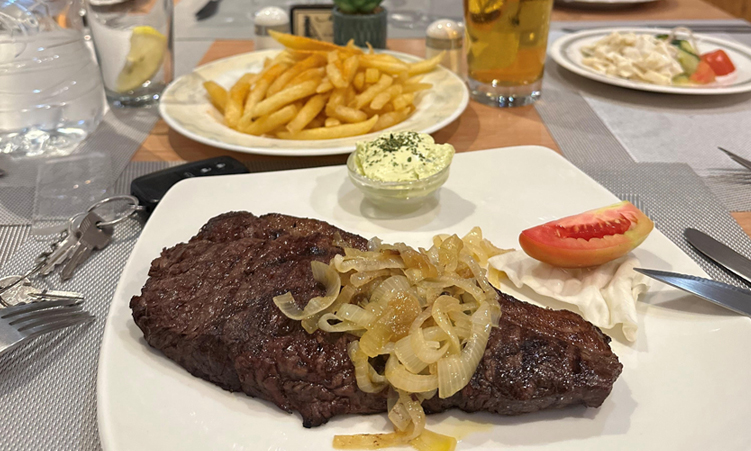
It can also attract the wrong kind of friends. When eating out every day is an option, it becomes easy to default to convenience quick meals here and there like burgers and plenty of junk food, while home-cooked meals, which are usually healthier, fall away.
Over time, that lifestyle catches up with you, and before you know it, you are dealing with weight gain and have a ‘kapunda’, the man belly people joke about. The same pattern can carry over into how we raise our children.
If we constantly give them whatever food they want without balance or structure, we risk setting them up for unhealthy habits early on, often only noticing when the effects are already visible.
Another topic that came up that day was the idea that some homeless people seem to live longer than those with very high living standards. It’s an interesting observation, but it’s not quite that simple I would say. While some people in harsh conditions do develop resilience, homelessness is generally linked to poorer health outcomes and shorter life expectancy.
It’s less about stronger immune systems from exposure and more about a few individuals managing to adapt despite very difficult circumstances. What it does make you think about, though, is that maybe health is not only about access or comfort on the surface. You can have all the money in the world and still neglect your body through stress, poor eating habits, and lack of discipline.
So where does that leave us? Most of us, about 95% of men, are chasing financial success but once you get there, what then? In the process of chasing it, are you maintaining balance? Are you eating well, staying active, managing stress? Because the body can only handle so much pressure for so long.
Whether you have a lot of money or just enough, the fundamentals don’t change. Eat properly, move your body, and be intentional about your health. The soft life sounds appealing, but it is not soft without discipline.
At the end of the day, what you put into your body physically and mentally is exactly what you get out.
– Meneer SK is a passionate voice for men, advocating on issues that matter to men. Follow him on Instagram: @Meneer_SK