






The Public Service Commission’s (PSC) decision to retain 16 officials over the age of 60 due to their specialised skills has drawn sharp criticism regarding political patronage and stagnant youth employment.
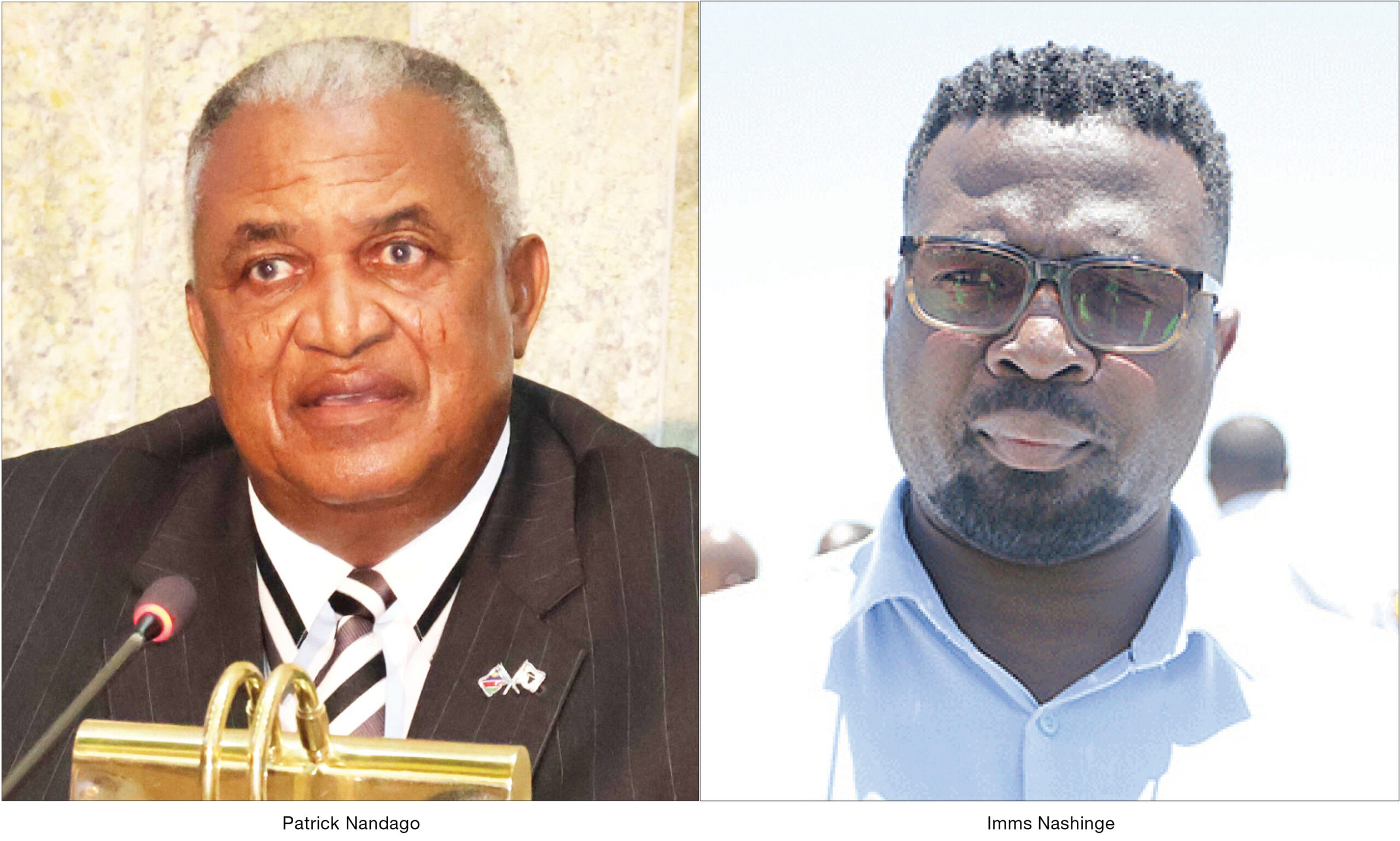
PSC chairperson Patrick Nandago yesterday said the decision was taken because such skills are “required in the public service”.
“A total of 16 staff members who had attained the age of 60 were retained in the public service beyond their determined age due to their specialised skills and expertise required in the public service,” he said.
Nandago said the retention is legal and is applied in cases where critical expertise is not readily available within government institutions.
He said maintaining continuity in these roles remains critical to sustaining service delivery.
‘JOB FOR COMRADES’
Independent Patriots for Change parliamentary leader Imms Nashinge says the law is clear, but “excuses are not”.
“Every staff member shall retire from the public service upon reaching the age of 60. The retention of comrades beyond that age is not a right, it is a narrow, conditional exception.” he says.
Nashinge says the law permits retention only where it is genuinely in the interest of the public service, and requires the approval of the prime minister “on the recommendation of the Public Service Commission, with retention capped at age 67”.
He says this provision was never designed as a revolving door for political allies of the ruling party.
He questions what he describes as the “uncomfortable question” the Swapo-led government refuses to answer.
“What unique, irreplaceable specialisation do these 16 individuals have that cannot be found anywhere in a public service of over 100 000 employees? We are told mechanics must be retained past retirement, yet Namibia has invested billions into vocational training institutions,” he says.
Nashinge says the Namibia Training Authority produces skilled tradespeople, including mechanics.
“Look further at NamPower, the Social Security Commission, the Namibia Airports Company – parastatals anchored by chief executives well past 60,” the member of parliament says.
He says if the matter were truly about scarce skills, the private sector, which competes globally for talent, would be retaining retirees too.
“This is not about skills. It is about loyalty, it is about reward, it is about jobs for comrades.”
Nashinge says preventing qualified, young Namibians from ascending to leadership under the cover of a “skills gap” is a direct betrayal of a constitutional obligation.
“Namibia is not short of talent, Namibia is short of political will to let new talent lead,” he says.
Landless People’s Movement Mariental councillor William Minnie says the move is “difficult to justify on the basis of a genuine skills shortage”.
“There are many capable, qualified individuals within the public service and broader society who are ready to assume leadership roles,” he says.
Minnie says the real issue is not a lack of skills, but a reluctance to entrust new people with responsibility.
‘UNHEALTHY TENDENCY’
Student Union of Namibia board chairperson Benhard Kavau says in many African nations, there is a persistent tendency for senior officials to remain in office beyond retirement age.
He says this pattern suggests not only institutional inertia, but also an underlying lack of trust by the older generation in the capacity of younger professionals.
“To avoid this unhealthy tendency, countries must deliberately create natural, structured pathways for generational transition, ensuring opportunities for both younger and older citizens,” Kavau says.
‘IS THE SYSTEM READY?’
Namibia National Students Organisation spokesperson Jessy Abraham says he views the retention of the 16 civil servants beyond retirement age “with deep concern”.
“It signals a troubling failure in long-term human capital planning within our public service,” she says.
Abraham says while skills shortages are real, they do not emerge overnight.
This points squarely to decades of neglect in succession planning, mentorship pipelines, and institutional knowledge transfer, she says. Abraham says the public service cannot continue to operate as though retirement is a surprise.
“The government must urgently invest in structured succession frameworks that identify, develop, and transition young, qualified Namibians into leadership roles.
“Our graduates are ready. The question is whether the system is ready for them.”