


ABSALOM SHIGWEDHA
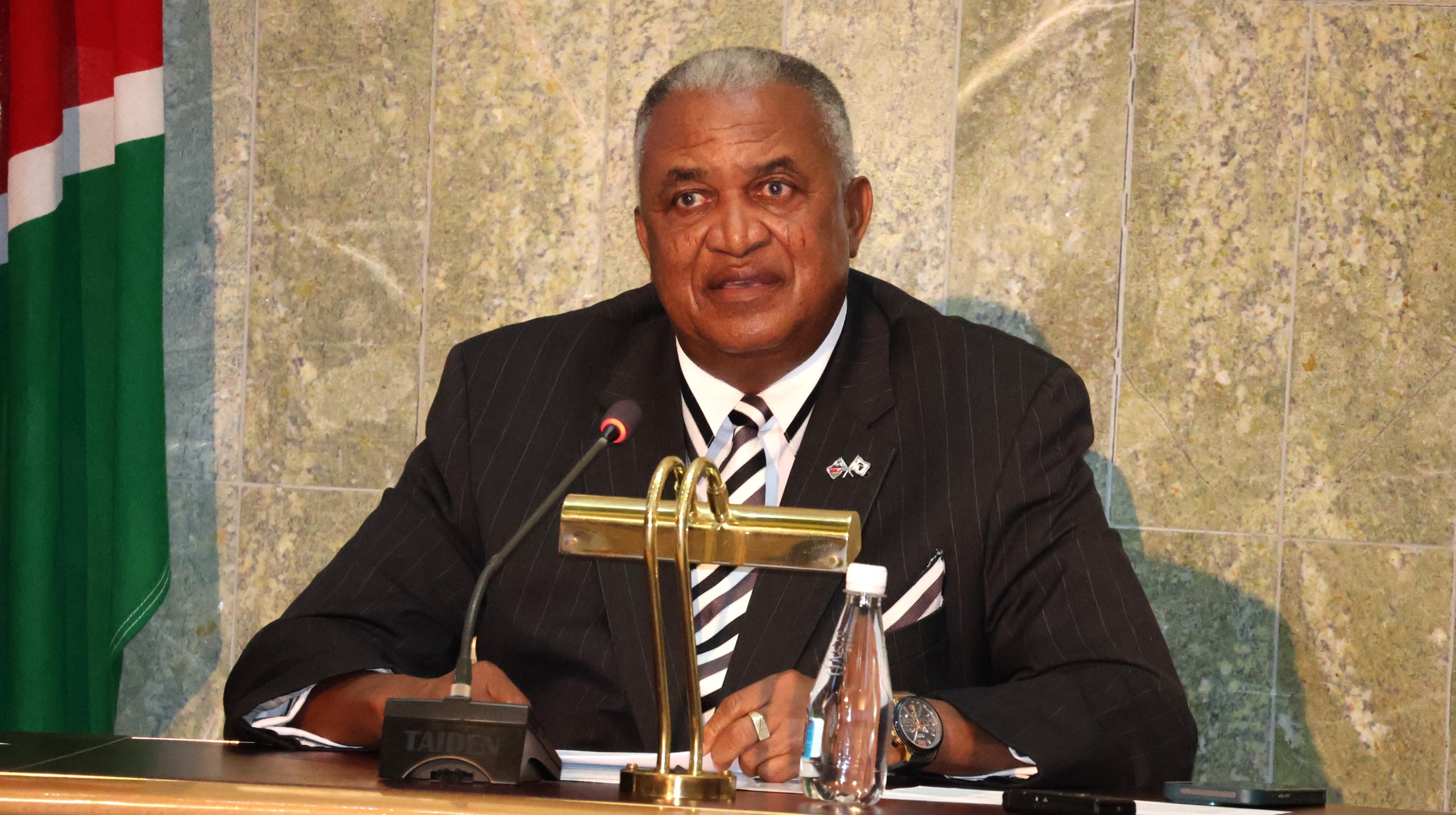
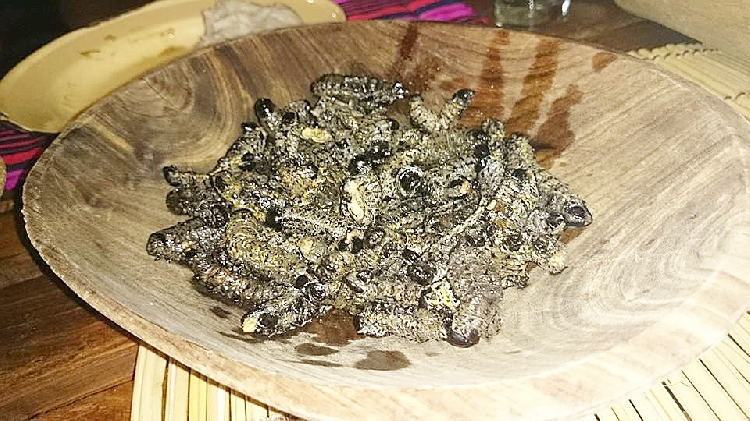
ENVIRONMENT minister Pohamba Shifeta has called on the residents of the Omusati region to take care and ensure that natural resources such as mopane worms are not overharvested.
If overharvesting occurs, Shifeta said it may have unintended consequences on the broader mopane worm ecosystem in future.
Shifeta made the plea in a speech read on his behalf by Omusati regional governor Erginus Endjala at an event marking International Day for Biological Diversity 2022, held at Ruacana on Saturday.
Shifeta said each of Namibia’s key economic sectors such as agriculture, fisheries, forestry and tourism, are dependent on healthy biodiversity and ecosystems.
“Small changes and damage to the ecosystem can have drastic impacts on these sectors and undermine their ability to generate income and livelihoods for our communities,” said Shifeta.
He said in the Namibian context, people should think of the impacts that pollution have on livestock, birds and animals.
“Coming to our region, we can think of the recent impact that pests such as army worms and locusts had. We need to ensure that natural resources are not overharvested, as this may have unintended consequences on the broader ecosystem in the future. Protected areas and conservation are some of the important tools we have to ensure the protection of biodiversity,” said Shifeta.
“We should be proud that over 45% of our landmass is under some form of conservation management, through state protected areas, communal conservation, community forests and other areas.”
Shifeta announced that the environment ministry opened the biological and genetic resources and associated traditional knowledge office, to help build on the economic potential of Namibia’s indigenous biological resources and to ensure that communities optimally benefit from these resources.
“Namibia is endowed with resources such as hoodia, devil’s claw, marula and commiphora resin, and we need to take them to the next level,” he said.
However, looking at international trends, the situation with regard to the status and health of biodiversity “is extremely worrying”, said Shifeta.
According to the fifth Global Biodiversity Outlook (published in 2020), the current rate of biodiversity loss is unprecedented in human history, and the pressures on biodiversity are intensifying.
Shifeta said the document concluded that just six of the 20 global biodiversity targets were partially achieved by the 2020 deadline.
Against this background, Shifeta said the world needs to take urgent action to address biodiversity loss, not only at policy level but also at individual level, and the outlook provides for a portfolio of the five main overall actions that the world needs to take.
This year, the theme of International Day for Biological Diversity was ‘Building a Shared Future for All Life’.
The theme, says the Bonn-based secretariat of the Convention on Biological Diversity, fits within the context of the ongoing United Nation Decade on Ecosystem Restoration (2021 to 2030), which highlights that biodiversity is the answer to several sustainable development challenges facing the world today.
Namibia is an active party to the convention and its Nagoya Protocol on access and benefit sharing, and has come up with a number of interventions towards the conservation of biological diversity, the sustainable use of its components and the fair and equitable benefit sharing arising from the use of biological or genetic resources.
In an age of information overload, Sunrise is The Namibian’s morning briefing, delivered at 6h00 from Monday to Friday. It offers a curated rundown of the most important stories from the past 24 hours – occasionally with a light, witty touch. It’s an essential way to stay informed. Subscribe and join our newsletter community.

The Namibian uses AI tools to assist with improved quality, accuracy and efficiency, while maintaining editorial oversight and journalistic integrity.
Stay informed with The Namibian – your source for credible journalism. Get in-depth reporting and opinions for
only N$85 a month. Invest in journalism, invest in democracy –
Subscribe Now!