






In june, the Namibian Youth Chamber of Environment hosted a public webinar with conservation experts Carolin Mutorwa from the Namibia Nature Foundation, Chris Brown from the Namibian Chamber of Environment, and youth advocate Diina Shatipamba.
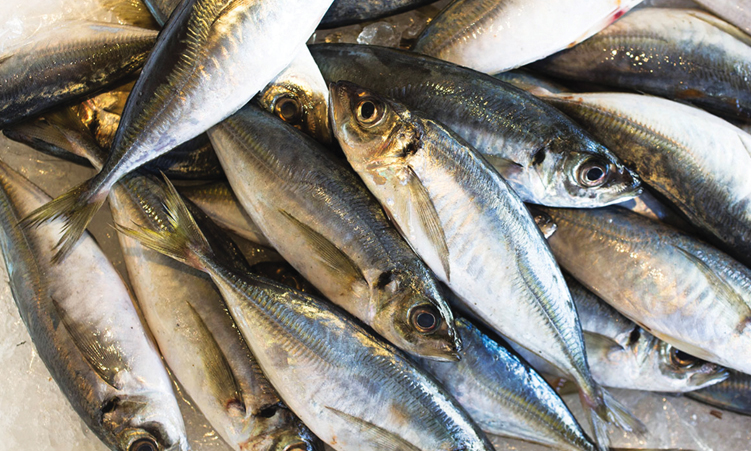
They discussed the government’s decision to allow horse mackerel fishing in a large coastal area previously protected by the 200-metre(m) isobath fishing limit, which marks where the seabed reaches 200m deep.
Since 1990, trawling and longlining have not been allowed in shallower waters to protect young hake and horse mackerel.
However, this rule has never been made law and is only used as a fisheries management guideline, making it difficult to enforce.
In April, the ministry announced plans to make the 200m fishing limit law.
KNOCK-ON EFFECT
A month later, a temporary relaxation allowed fishing in waters as shallow as 150m between south of Walvis Bay and north of Lüderitz from May this year until April 2027.
So far, no public monitoring plan has been released.
“Young horse mackerel are mainly found in waters between 150 and 200m deep, making this an important area for the species and the future of the sector.”
The collapse of the sardine and anchovy fisheries has left Namibia largely dependent on horse mackerel and hake.
This has sparked concerns among scientists who fear the decision could harm both the ocean and the fishing industry in the long run.
Experts warn that these decisions have been made without enough scientific evidence.
Instead of using research and population monitoring to guide conservation measures – such as the 200m isobath, the fishing industry responds to catching smaller and fewer fish by putting pressure on the government to maintain or increase catch limits.
As a result, important sustainability principles are being set aside to allow fishing in areas that help maintain catches while fish stocks are already declining.
Scientists believe this is the wrong approach.
They warn it will lead to a further decline in fish stocks, harm the marine ecosystem, and eventually reduce catches, threatening jobs and affecting the economy.
The collapse of Namibia’s sardine fishery is a clear example, and experts fear the same could happen to the horse mackerel fishery.
The effects would not be limited to the horse mackerel industry.
Horse mackerel make up about 24% of hake’s diet, so a decline could also affect the hake industry and the many jobs that depend on it.
Horse mackerel are also an important food source for sharks, bluefin tuna, dolphins and Cape gannets.
Cape gannets are already endangered and are especially vulnerable.
DAMAGE AND DECLINE
In addition, trawling in these areas damages the seabed and the creatures living there.
Scientists warn that this could upset the balance of the entire marine ecosystem, leading to further declines across several fish species and the fishing industry as a whole.

The 12-month relaxation should be closely monitored, not only by tracking fish numbers but also their size to ensure they are not being caught before they can reproduce.
Monitoring species such as hake and Cape gannets can also indicate how healthy horse mackerel stocks are.
If the 200m zone is permanently protected, Namibia could increase its marine protected area to around 16%, bringing the country closer to its global 30×30 target, an international commitment to protect 30% of land and sea by 2030.
Namibia is well known for protecting its land but decisions like this continue to damage its reputation on marine conservation.
– Damian Schreiber, publicist, educator, seal rescuer and junior researcher at Ocean Conservation Namibia. He has a master’s in ecology and society from Costa Rica’s University for Peace.