



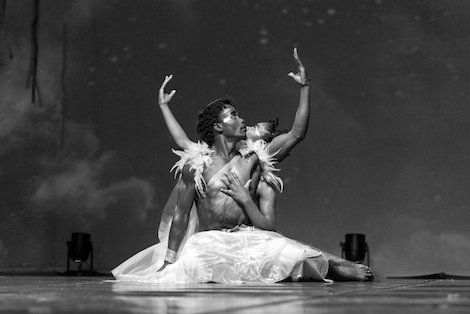
If you’ve been looking for fun ways to burn calories, meet new people and slay on the dance floor, sigh no more. Because now’s your chance to learn to dance.
With studios, troupes and groups popping up all over the city and beckoning to beginners, Windhoekers can take their pick of salsa, belly, African, hip-hop, funk fusion and ballet dancing taught by some of Namibia’s most talented instructors.
For the hip rolling and romantic, there is Moon Goddess Dance Studio. Teaching modern Egyptian and fusion style belly dance for beginners, elementary and intermediate level dancers on Monday and Wednesday evenings from 18h00, classes are taught by acclaimed dancer Sascha Olivier-Sampson who extols belly dancing’s ability to offer some relief from back problems and release tension with minimal risk of injury.
Proud to present a wonderful community who support, encourage and respect each other, Sascha highly recommends taking an hour out of your week to do something which is purely for your own enjoyment, confidence and development of physical strength.
“Anyone can learn to belly dance. I’ve had a dancer as young as four and one in her 60s,” says Sascha.
“The beauty of belly dance is that it really is for all ages, sizes and fitness levels. There is also a very strong sense of sisterhood amongst belly dancers so you feel safe and welcomed. Join us with a good attitude, a willingness to try something new and a bottle of water.”
If you like your dancing fun, sexy and a little Latin American, for the social dancer, there is Salsa Windhoek. Offering regular classes and parties at Zum Gruner Kranz Steakhouse, Salsa Windhoek is what happens when fun meets flair as taught by resident salsera and seasoned dance instructor Samantha Muller.
“Samantha has created a comprehensive salsa curriculum that will teach everyone the three things it takes to be a good social salsa dancer: Rhythm, style and fun,” says salsa lover Tanya Stroh.
“Allowing a growing community of sophisticated and social Namibians to participate in the world’s most popular partner dance, Salsa Windhoek’s events have something for the social dancer in everyone.”
Although salsa is the popular dance of choice, there are numerous Latin American dance styles on offer at Salsa Windhoek’s social events. These include bachata, cha-cha, merengue and reggaeton.
“Social dancing is a great way for amateur dancers to practice their steps and get acquainted with salsa etiquette. It is also an excellent space for more proficient dancers to hone their moves. But, most importantly, social dancing is about one thing: Having fun,” says Tanya.
“The social dance scene, unlike contemporary clubbing experiences, offers a relaxing, sophisticated atmosphere populated by a diverse crowd. Locals, foreign nationals, corporate professionals, artists, writers, photographers – you never know who you will meet on the dance floor. It is the perfect place to meet new people and make friends.”
Connect with your African roots, dance barefoot and take heed of a Zimbabwean saying as quoted by College of the Arts Dance and Drama lecturer and Da-mâi Dance Ensemble founder Trixie Munyama: “If you can walk, you can dance”.
Teaching an open African Dance Class every Saturday morning between 10h00 and 11h30 at Cota for both the dancer and the non-dancer, Trixie describes these sessions as a “fun class where I get to share in the pure joy of African dance with live percussion accompaniment by Savannah Afros trio Tendai, Taps and Nyasha and any drum or instrument enthusiast entranced to join in the musical journey”.
Largely a ‘pop-in’ class – meaning anybody can join – Trixie says there is no formal application or registration hoo-hah as the class costs only N$50.
“This is a diverse group of different races, cultural backgrounds and ages ranging anywhere from 10 to 100,” says Trixie. “There are no rules and anybody is welcome. Should you feel the urge to dress up as the quintessential African dance enthusiast, a shitenge (African print wrap cloth) for females is a beautiful adornment to the expressive movements.”
Praising dance as a fun way of keeping the body and the brain active as well as a great way to improve strength, flexibility, balance and posture while learning about your body and reducing stress levels, Trixie also encourages dance’s ability to “offer insight into other cultures, either through the dance style itself or by meeting new people”.
Presenting what looks like every dance form under the sun, First Rain Dance Theatre Studios is the newest kid on the teaching block.
Situated in the heart of Windhoek opposite the College of the Arts on Fidel Castro Street, FRDT Studios caters to ages four to forever at beginner, intermediate and advanced levels in the spheres of hip-hop, Latin, ballroom, African, ballet, contemporary and ballroom dancing.
“What we teach has so many benefits. Not only is it great for fitness, toning and strength, but it’s good for the soul,” says Tuli.
“I can be having the worst day and my emotions can be all over the place but as soon as I start dancing, I feel grounded and centered.
Exercise releases endorphins which can lift your mood and wipe the strains of stress from your hectic days. Dance is also great for confidence, self-discipline and building up our other types of intelligence such as spatial, aural, emotional and physical intelligence.”
In an age of information overload, Sunrise is The Namibian’s morning briefing, delivered at 6h00 from Monday to Friday. It offers a curated rundown of the most important stories from the past 24 hours – occasionally with a light, witty touch. It’s an essential way to stay informed. Subscribe and join our newsletter community.

The Namibian uses AI tools to assist with improved quality, accuracy and efficiency, while maintaining editorial oversight and journalistic integrity.
Stay informed with The Namibian – your source for credible journalism. Get in-depth reporting and opinions for
only N$85 a month. Invest in journalism, invest in democracy –
Subscribe Now!