







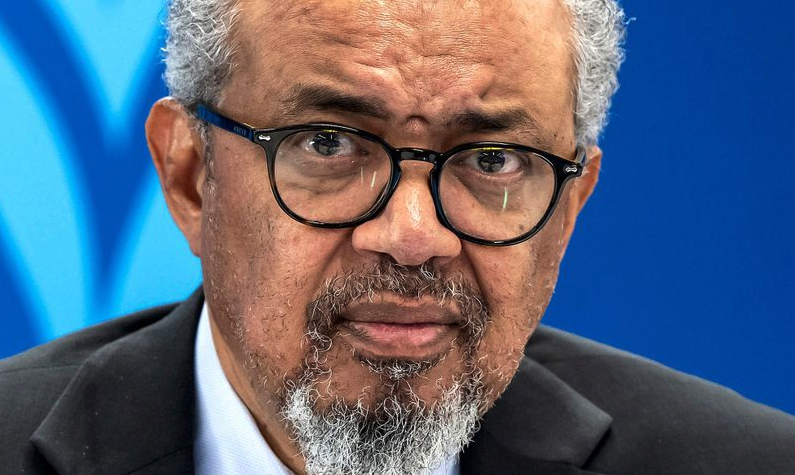
While global condemnation grows over rising anti-immigration protests, an investigation into claims by WHO director-general Tedros Adhanom Ghebreyesus reveals a mixture of unrelated organised crime hits and disputed death tolls in Mossel Bay.
The South African government has dismissed claims by director-general of the World Health Organization (WHO) Tedros Adhanom Ghebreyesus that 10 foreign nationals have been killed in the latest wave of anti-immigration protests sweeping South Africa.
Ghebreyesus published the claim on 14 June 2026 in a statement on his official X account, condemning protests that have included multiple incidents of civil unrest.
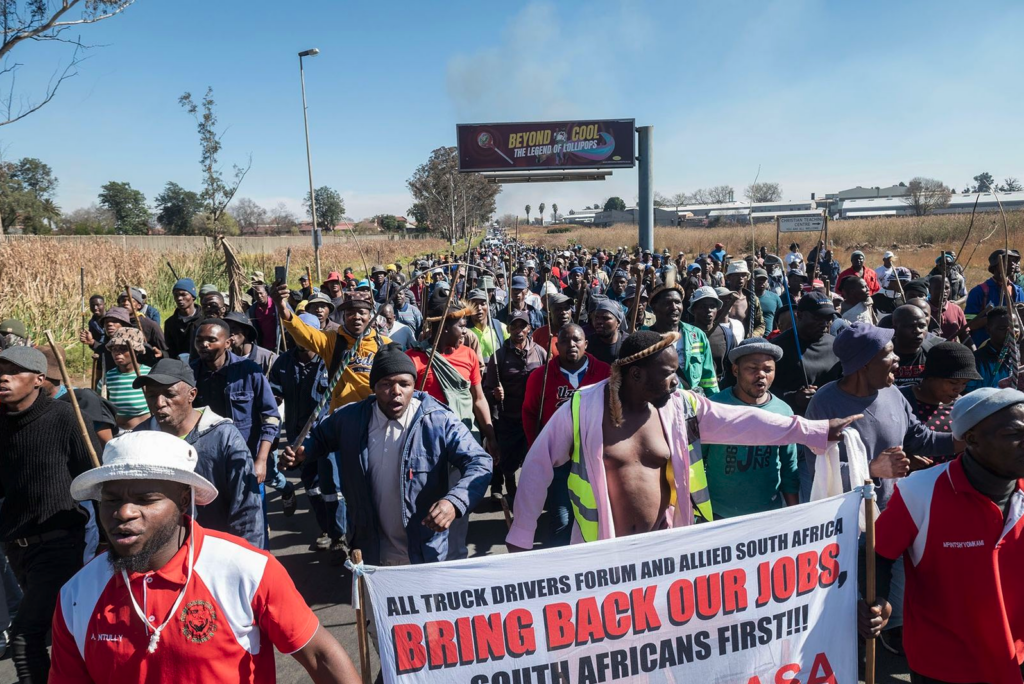
One incident in KuGompo, Eastern Cape, in April led to the looting of shops after a protest over the alleged installation of a Nigerian “king”, and another incident in late May in Mossel Bay displaced at least 400 foreign nationals. Protests have since taken place across the country, ranging from a few dozen attendees to hundreds.
“It is profoundly heartbreaking to witness another surge of xenophobic violence in #SouthAfrica this week. Hundreds have marched on Parliament, thousands of families have been displaced, and lives have been tragically cut short,” Ghebreyesus’ statement began.
“These include at least five Ethiopians killed and five Mozambicans who died in Mossel Bay. Thousands more are now fleeing for their lives.”
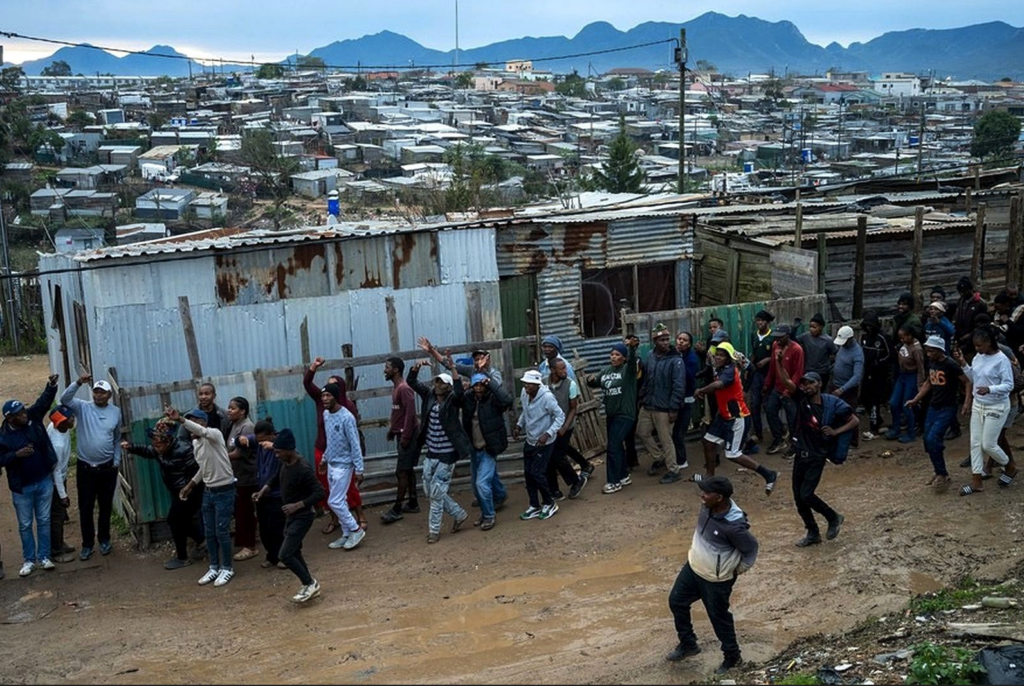
The statement forms the latest example of widespread international condemnation in response to rising anti-migration protests across South Africa.
In April, the Nigerian government claimed that two of its nationals were killed in anti-immigration unrest, but retracted the statement after the victims were found to have been killed in unrelated incidents, including alleged altercations with the SANDF and Tshwane Metropolitan Police Department.
The Nigerian government has since announced that it may retaliate against South Africa following attacks on its citizens, but has not clarified what form that retaliation might take.
So far, the South African government has confirmed that at least 2,745 foreign nationals have been repatriated, with an estimated 7,000 Malawians gathered at Sherwood Park in Durban awaiting voluntary repatriation amid fears of the looming 30 June national shutdown planned by the March and March group. More than 1,000 Malawians fled their homes in KwaZulu-Natal after South African residents told them to leave.
March and March has been largely responsible for the current wave of protests and has ordered undocumented foreign nationals to leave South Africa by the end of the month, blaming them for worsening South Africa’s crises, including unemployment and crime.
However, while there have been reports of deaths linked to violence in Mossel Bay, which targeted foreign nationals in late May, the figures put forward by Ghebreyesus raised eyebrows. In a statement released on 15 June, the South African government stated that the WHO’s characterisation was “incorrect”.
Unrelated and ambiguous
Daily Maverick could find no credible reports of five Ethiopian nationals claimed to have been killed in an incident linked to the anti-immigration protests. However, in April 2026, five Ethiopian nationals were shot dead in the Johannesburg CBD in suspected targeted hits.
Four of the April killings happened within 48 hours. At the time, experts said the attacks showed “clear signs” of being related to organised crime syndicates, with possible links to human trafficking and extortion networks.
Daily Maverick could find no evidence that these attacks were connected to anti-immigration sentiment. In its official statement, the South African government confirmed the figures mentioned by Ghebreyesus were linked to the April incident and said, “The events that led to the deaths of these Ethiopian nationals fell within the realm of organised crime, as has already been publicly reported, and are being actively investigated by law enforcement agencies.”
The trickier figure is the second one given by Ghebreyesus, alleging that five Mozambican nationals were killed in the Mossel Bay unrest. This figure is consistent with initial figures released by the Mozambican government’s media office, which claimed on 2 June that five of their citizens had been killed.
However, this figure was subsequently contradicted by the SAPS, who confirmed that two Mozambican nationals and one South African national had been killed over the weekend.
“In the early hours of Saturday morning, police discovered the body of a 27-year-old man with multiple injuries in the area. Shortly afterwards, another man who had sustained assault-related injuries was declared dead on arrival at a local hospital. Investigators later confirmed that the two victims, aged 27 and 43, were Mozambican nationals,” the SAPS said.
South Africa’s statement on the Mossel Bay violence was curiously ambiguous on Monday. It simply stated, “With regard to the Mozambican nationals, the SAPS has stated that this matter is also currently under investigation.”
We have contacted the Mozambique High Commission in Pretoria, asking if it maintains that five citizens were killed or if its figures have been revised to align with the SAPS’s. Daily Maverick will update this report if a response is received. SAPS referred Daily Maverick to the government’s statement.
Daily Maverick has contacted the WHO for comment and will update this report if a response is forthcoming. DM