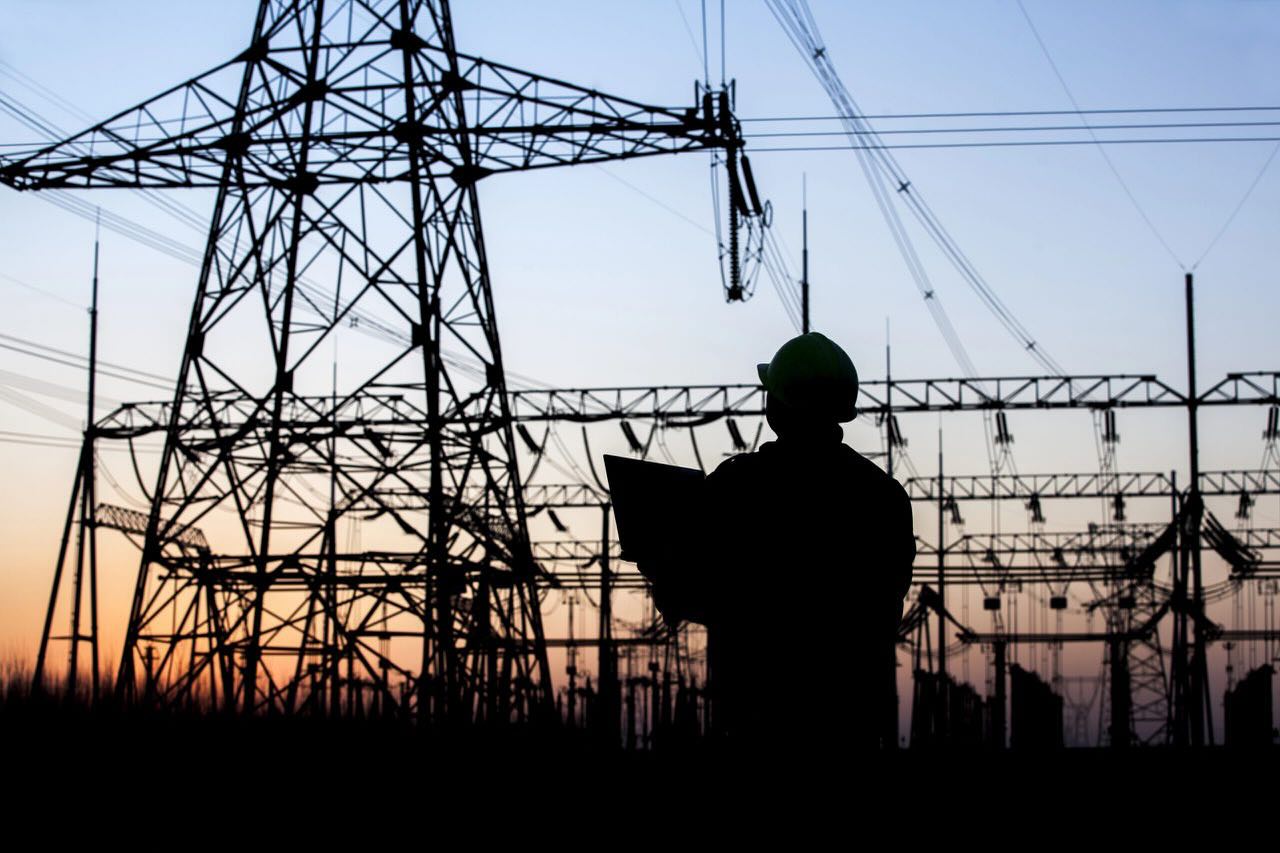




THE pace of rural electrification in Namibia is generally “too slow” with only one in every three households in Erongo Region connected.
This makes Erongo the least successful in rural electrification in the country despite the fact that the region has the highest urban electrification rate with up to eight out of 10 houses electrified.
Erongo RED chief executive officer Robert Kahimise says this makes the challenge of rural electrification a reality for them considering their vision: Electricity for All by 2020.
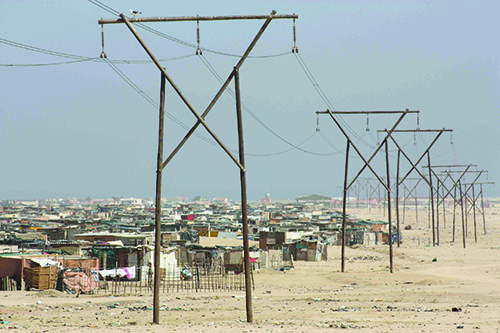
Ellie Cloete, one of the Topnaars who have been living along the Kuiseb River since the 1800s, has learned to live in the harsh desert environment without electricity – next to a powerline that powers the pumps which feed Walvis Bay’s water needs.
“We have been promised electricity but we still have nothing. How do other rural areas like Spitzkoppe and Otjimbingwe get electricity ahead of us?” she asks.
Using wood has had an impact on the trees over many years, and it is costly to go to Walvis Bay to buy wood, gas and paraffin.
More than a 1 000 Topnaars live along the river, with Utuseb as their ‘capital’ where only the JP Brand school and a small clinic are electrified by NamPower.
“Sometimes we go to the school to recharge our cellphones. The solar panels at the Ministry of Agriculture, Water and Forestry offices have already broken down, so they only have solar power in the day,” says Elton Fischer at Utuseb.
Topnaars vice chief Stoffel Animab says there is a definite need for electricity for basic needs, such as cooking and preserving food in fridges.
“We asked NamPower if we can connect households there, but they said the electricity is not for private use. There has been talk of electrifying the houses here but we are still waiting,” he says.
As Cloete rightly observes, the small rural community at the foot of the Spitzkoppe has electricity, whether it is a shack or a house. The network there has been neatly organised and installed by Erongo RED.
“We are very happy and life is good now,” a Spitzkoppe resident happily tells The Namibian.
Situation on the ground
Erongo Governor Cleophas Mutjavikua says the region is the most industrialised in Namibia with mining, fisheries and logistics sectors, yet it lags behind when it comes to its rural communities accessing electricity.
Speaking during the official switching-on ceremony for 165 houses at the Donkerhoek location at Uis in December 2013, Mutjavikua said electricity and industry goes hand in hand.
Uis chief administration officer Amingo Honneb says the “poorest of the poor” in the location had no electricity till recently.
“That’s why they are called ‘Donkerhoek’. They were in the dark while the rest of the town had electricity. Thanks to Erongo RED, they have power, and now the whole town has it,” says Honneb.
Satellite dishes have mushroomed in the neighbourhood, and people now enjoy watching television although the problem is that they cannot afford anything else, while some of the dishes are just dishes.
“I have a TV my son gave me but I do not have the money to buy a stove or a fridge,” says Oltine Namises, an old resident of Donkerhoek. “At least, I have light now but I still have to make use of wood and gas to cook.”
Erongo RED says people spend about N$100 per month in prepaid electricity, and use both wood and electricity because they are used to the old method and cannot afford stoves and fridges.
Under the Rural Electrification Master Plan (REDMP), the government decided not to supply electricity to all the rural households but to government buildings, specifically schools and clinics.
Mutjavikua says the electrification of households was the ‘spark’ for spurring rural communities to become economically independent and contribute to the economy and welfare of the nation.
He also says electrifying government buildings should not be at the expense of rural households.
This was, in fact, the REDMP’s aim, which is not being implemented by the Ministry of Mines and Energy, the custodian for rural electrification.
“Rural electrification must be expedited. We won’t meet targets at the current pace unless we go the household route. This is a problem with prioritisation. In terms of electricity, the ministry must beef up its priorities,” Mutjavikua says, adding that “maybe if the communities cry louder, the [REDMP] will be implemented”.
“If the master plan is followed, things will go faster. Now money, which could have benefited rural electrification, is being taken away for other ‘urgent priority areas’. That is what I have noticed and I will stand by that,” he claims.
Instead of the master plan being followed, mines and energy now requests priority lists of non-electrified locations from regional councils.
According to Mutjavikua, Erongo’s ‘quota’ under this plan was electrifying two villages a year.
“It’s really not enough. If you want to industrialise, electricity is the key,” he says.
In an age of information overload, Sunrise is The Namibian’s morning briefing, delivered at 6h00 from Monday to Friday. It offers a curated rundown of the most important stories from the past 24 hours – occasionally with a light, witty touch. It’s an essential way to stay informed. Subscribe and join our newsletter community.

The Namibian uses AI tools to assist with improved quality, accuracy and efficiency, while maintaining editorial oversight and journalistic integrity.
Stay informed with The Namibian – your source for credible journalism. Get in-depth reporting and opinions for
only N$85 a month. Invest in journalism, invest in democracy –
Subscribe Now!