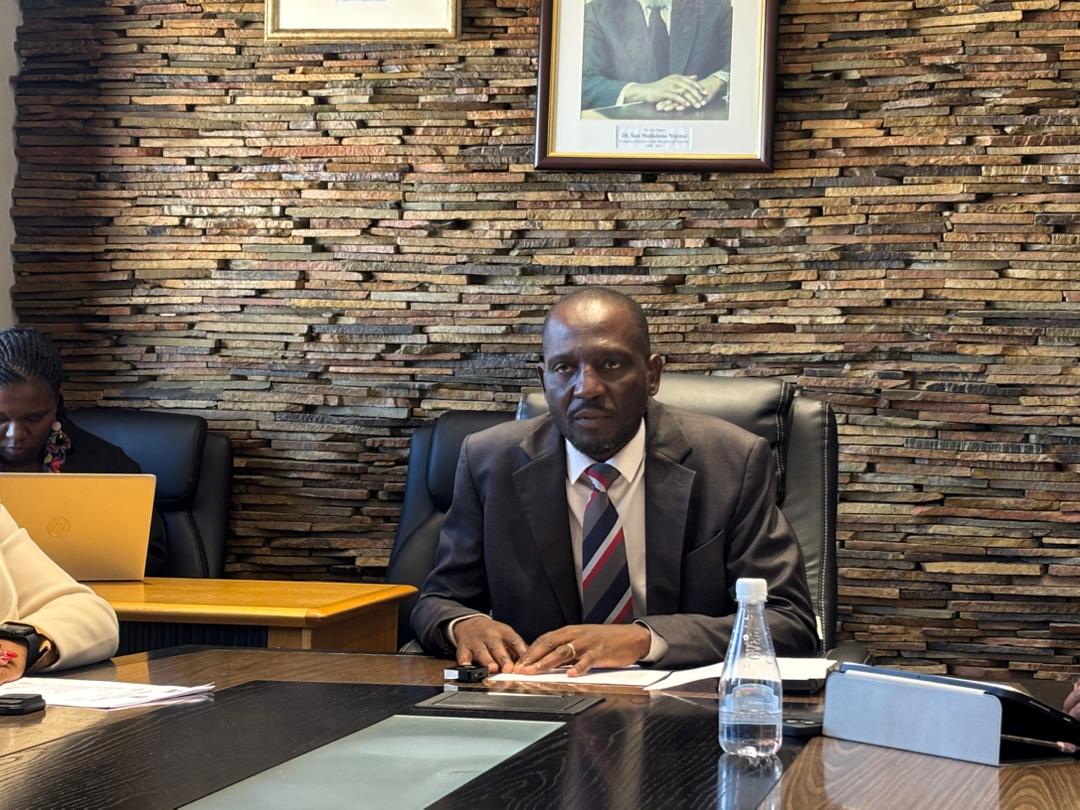
THE Minister of Regional and Local Government, Housing and Rural Development, Jerry Ekandjo, last week tabled the national rural development policy aimed at improving opportunities for rural communities.
The policy is to serve as a guideline to rural development agents to adopt effective, equitable and sustainable approaches to development. It is to form the basis of a comprehensive rural development national strategy and action plan, which will address those issues not best dealt with at sectoral level. Additional funding for the policy’s implementation is not envisaged, but it is stated that reallocations of resources to various programmes and projects may be inevitable. The Medium-Term Expenditure Framework (MTEF) will thus provide the mechanism to realise regional and national budget structures, while additional funding will be sought from the private sector, public-private partnerships, organs of the State, individual citizens and donors. According to the 2011 national census, 58 per cent of the population live in rural areas. In 2001, 68 per cent were rural dwellers, and in 1991, this figure stood at 72 per cent. This indicates the increasing rate of urbanisation of the Namibian population. The rural land area is 99 per cent of the country; the rural population covers 82 per cent thereof, with farming still the mainstay of the rural economy.The rural population is said to be the worst off in terms of income, employment opportunities and access to public services.Yet, it is stated that the rural population pays relatively more for basic services like food, water, shelter, energy, health, education, transport and communication services, ascribed largely to the high cost of service delivery in these areas. According to the Namibian Household Income and Expenditure Survey of 2003/04, 85 per cent of the country’s poor are rural dwellers; 42 per cent of the rural population is considered as poor. The northern regions are reported to have the highest number of overall poverty and rural poverty specifically; 40 per cent of households living in Kavango, Caprivi, and Oshikoto are considered poor. The rural development policy intends to accelerate broad-based rural industrialisation and economic growth. This is to be attained through enhanced rural infrastructure development, research in appropriate technology development, income generation and employment creation. The aim of this is for rural communities to engage in secondary production such as the manufacturing of goods and provision of services in their communities. It further intends to ensure the sustainable management and development of natural resources in the rural areas, and to grow markets for products.
In an age of information overload, Sunrise is The Namibian’s morning briefing, delivered at 6h00 from Monday to Friday. It offers a curated rundown of the most important stories from the past 24 hours – occasionally with a light, witty touch. It’s an essential way to stay informed. Subscribe and join our newsletter community.

The Namibian uses AI tools to assist with improved quality, accuracy and efficiency, while maintaining editorial oversight and journalistic integrity.
Stay informed with The Namibian – your source for credible journalism. Get in-depth reporting and opinions for
only N$85 a month. Invest in journalism, invest in democracy –
Subscribe Now!