






South Africa’s hard-won stability faces a quiet, systematic erosion driven by toxic disinformation.
Thirty-two years after apartheid fell, propaganda campaigns continue to exploit historical wounds, generating deep domestic fractures.
This destabilisation does not stop at our borders; modern disinformation networks export these cleavages to destroy pan-African unity across the continent.
In South Africa, propaganda plays on daily socio-economic anxieties.
Coordinated social media campaigns intentionally hyper-focus on identity politics to obscure structural deficits like unemployment.
This systematic manipulation turns regular communities against each other, leaving the region one engineered internet outrage away from breaking.
What is happening in South Africa serves as a blueprint for wider continental fragmentation.
Foreign and domestic actors leverage digital platforms to pit Africans against each other.
Media echo chambers tend to exaggerate local job competition, triggering xenophobic hostility, diluting the shared history that connects us.
None of this is new. The agenda to divide African societies began long before the internet; it copies pre-independence colonial strategies.
Colonial regimes stayed in power by ensuring people didn’t unite.
This psychological engineering started directly with the payroll.
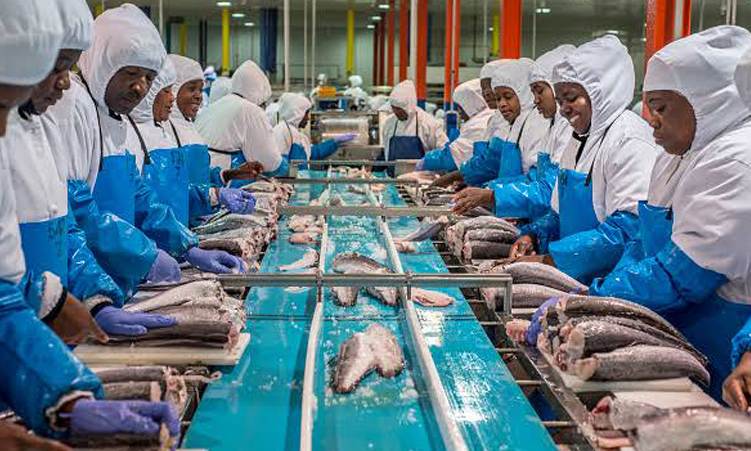
Colonial administrations established wage hierarchies based on race and tribe, paying one group more than another to foster jealousy and prevent collective labour resistance.
It was designed to colonise the mind, training people to see their neighbours as rivals instead of equals.
Today’s propaganda uses the same psychological playbook, replacing the colonial wage slip with a viral post to keep Africa defensive, reactive, and internally divided.
ON GUARD
To combat this, the Southern African Development Community (SADC) must urgently move beyond historical guidelines.
While the region has promoted the SADC Model Law on Cybercrime to harmonise regional legislation, member states must balance national security with digital rights.
SADC must actively coordinate regional fact-checking alliances and enforce unified cyber security policies to penalise cross-border information warfare without suppressing legitimate civic speech.
Namibia can draw profound lessons from these developments.
With a deeply intertwined history of apartheid and colonial division with South Africa, Namibia must guard its peace vigilantly.
We must aggressively revive the foundational liberating ethos of ‘One Namibia, One Nation’ to break colonial tribal balkanisation by questioning sensationalised online narratives that seek to amplify ethnic or tribal lines.
By integrating national digital strategy with media literacy and protecting local community dialogues from algorithmic manipulation, Namibia can shield its democracy and be a beacon of unity for the SADC region.
It requires a major shift in how we consume the news. True peace depends on realising that these divisive trends are just colonial tricks in digital clothing.
Real independence means clearing out old mental hierarchies and rejecting manufactured hatred.
The only way Africa can neutralise external agendas is if we start looking at each other as one people.
– Kevin Rukoro is a youth activist, media student and founder of the Anointed Levites Foundation. The views expressed here are his own.