“I was admitted more than 55 times and to intensive care nine times.”
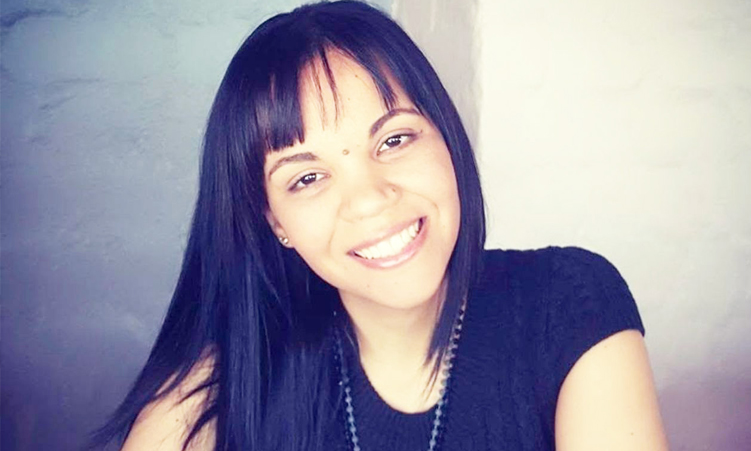
Corachia Ockhuizen’s brutal battle with a rare muscle disease has led her to build a foundation so no one else suffers in silence.
The Myasthenia Gravis Foundation Namibia was established in 2023 and is raising awareness of myasthenia gravis, a rare muscle-weakening disease that leaves many patients undiagnosed and isolated for years.
The autoimmune disease affects communication between the nerves and muscles, severely impacting patients’ daily functioning.
“I became very weak quickly. I couldn’t do basic things like driving, shopping, brushing my teeth or walking far without extreme fatigue,” Ockhuizen, who was diagnosed in South Africa in 2016, says.
She also experienced drooping eyelids, double vision, difficulty swallowing, slurred speech, and progressive muscle weakness that worsened with activity.
Her condition deteriorated to the point where she suffered a myasthenic crisis, a life-threatening medical emergency that occurs when the muscles that control breathing become too weak to function, and had to be flown to Windhoek for emergency treatment.
Ockhuizen says she was admitted to Lady Pohamba Private Hospital and placed under the care of a neurologist.
The next six years were a battle to stabilise the disease, she says.
“I was admitted more than 55 times and spent nine periods in intensive care due to infections, crises and surgeries.”
According to Mayo Clinic, myasthenia gravis is a chronic autoimmune condition that leads to weakness in voluntary muscles.
“This causes muscles to feel weak and get tired quickly.
This condition may affect any of the muscles you control, called voluntary muscles. Certain muscle groups are more commonly affected than others. These include muscles in the face, throat, arms and legs,” the website says.
Symptoms often fluctuate during the day and can include drooping eyelids, double vision, facial weakness, difficulty chewing or swallowing, and muscle fatigue that improves with rest.
According to global estimates, between 700 000 and one million people are living with the disorder worldwide, affecting about one in every 1 000 to 1 500 people.
‘KNOCKED DOWN’
Pamela Kashamba, who was diagnosed with the disorder in January 2020, says the diagnosis marked the beginning of a difficult journey.
“My independence shifted as I had to rely on others due to severe fatigue, muscle weakness, vision issues and difficulty breathing.
The first year was particularly tough as I adapted to medication and to my condition,” she says.
Another patient, Amanda Rust, describes the emotional toll of living with the rare disorder.
“I’ve never felt so knocked down in my life. Even though I’ve had to deal with a few punches in life, facing this new and uncertain future hits differently,” she says.
Rust says she copes with feelings of isolation by reminding herself she is not alone.
“I believe we can be part of a new generation of discoveries in the medical field – discovering new ways or medications to protect ourselves against the thorns of life,” she says.
Ockhuizen says awareness remains low in Namibia, despite local cases occurring.
The foundation is currently collecting data to establish the number of people affected in the country.
“We believe there could be close to 100 cases in Namibia, but we’re still busy with data capturing,” she says.
The foundation has also established a WhatsApp support group with more than 20 members, providing a platform for patients to share experiences and find emotional support.
INVISIBLE ILLNESS
Myasthenia gravis is often described as an invisible illness because symptoms can come and go, leading to frequent misdiagnosis or delayed diagnosis.
“Because symptoms are not always visible, many patients suffer silently for years before getting answers,” Ockhuizen says.
June is observed globally as Myasthenia Gravis Awareness Month, aimed at increasing understanding of the disorder and improving early diagnosis and treatment outcomes.
The foundation, supported by Erembe Asset Management Namibia, is encouraging Namibians to recognise symptoms early and seek medical attention.
Ockhuizen says her recovery journey motivated her to turn her experience into advocacy.
“Once I got much better, I decided to start the foundation to help others and raise awareness.
No one should go through this alone.”
She says early diagnosis and treatment can significantly improve one’s quality of life, stressing that greater awareness is key to reducing suffering among undiagnosed patients in Namibia.
“Let’s work together to break the silence and support those affected,” she says.