




ALMOST a century ago on March 3 1912, the railway line between Windhoek and Keetmanshoop was completed and opened for business.
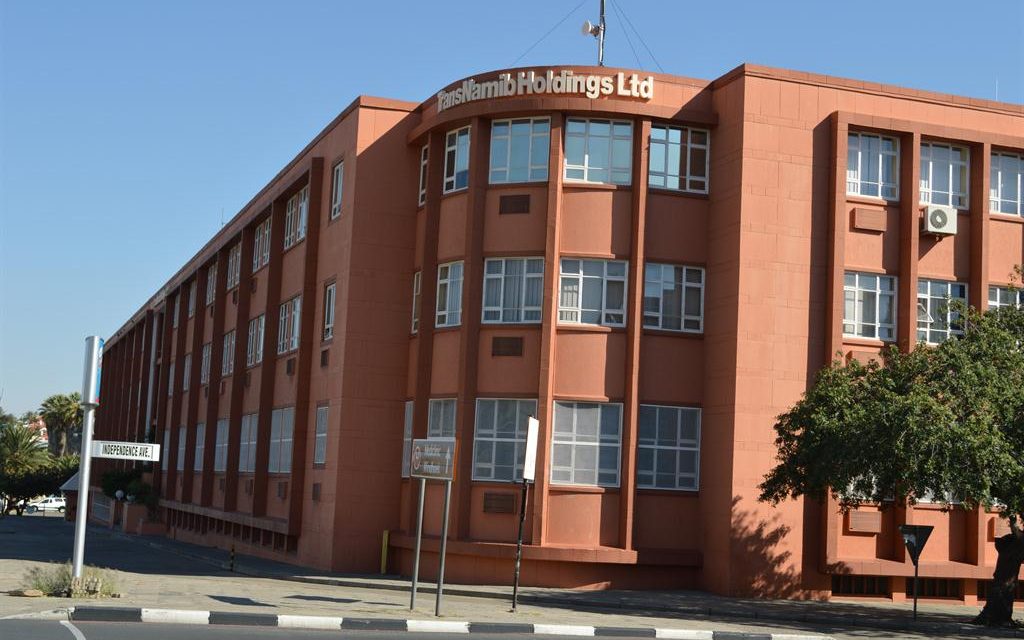
The railway line was built by Bau- und Betriebskonsortium Bachstein & Koppelfrom and Deutsche Kolonial Eisenban Bau- und Betriebsgesellschaft. One company started at Keetmanshoop and the other in Windhoek, with the two tracks meeting halfway.Construction started in 1910 and the company building from Windhoek employed 2 464 people while the other one employed 3 190. The two railway sections met at Narib, 210 kilometres from Windhoek and 295 kilometres from Keetmanshoop, and the line was completed in the prescribed time. Sixteen railway stations were built along the line, where the steam trains could refill with water and coal. Stations between Windhoek to Keetmanshoop were Aris, Leutwein, Bergland, Rehoboth, Heide, Tsumis, Kalkrand, Narib, Salzbrunn, Mariental, Orab, Gibeon, Asab, Brukkaros, Tses and Itzawisis. Over the years, towns developed around some of these stations. With the completion of this line the railway reached as far as Lüderitz in the south, Otavi in the north and Swakopmund in the coast. The line, about 505 kilometres long, was mainly used to transport goods and passengers. Steam engines were used until 1959 when the first diesel-electric engines were introduced. In the early days of the railway line there were still passenger trains with dining carts and sleeping cars divided into first and second class. Many children living in the then Deutsche Süd West Africa attended school in South Africa and people who worked here had family in South Africa. Trains were the main mode of transport.Today TransNamib Holdings is in charge of the Namibian railway network. ‘Here and there a curve was changed or a line repaired and replaced, but the train still runs on the same route and line,’ says Konrad Schullenbach, who runs the TransNamib Museum located at the station building in Windhoek.