





Genocide lies at the heart of colonialism and imperialism, from the destruction of indigenous peoples in the Americas to the Khoe in South Africa and the Herero and Nama in Namibia. The genocide committed in Namibia between 1904 and 1908 was not an isolated atrocity. It was the violent foundation of the country’s racial-capitalist order.
The genocide was not driven solely by racial hatred. It was a capitalist project designed to seize land, confiscate cattle, destroy indigenous economies and create a landless labour force for German settler capitalism. The systems that followed – land dispossession, migrant and contract labour, apartheid, Bantustans, commercial farming, mining and today’s extractive economy – were built on that foundation.
Racial capitalism placed race at the centre of economic hierarchy. Forced labour and concentration camps created Namibia’s first black proletariat, while settler wealth depended on dispossession and the exploitation of cheap black labour. South African apartheid did not create this system; it inherited and expanded it. Political independence in 1990 changed political leadership but left much of the underlying economic structure intact.
The consequences of genocide continue to shape Namibia today. Reparations are therefore not simply about acknowledging the past but about transforming the economic system the genocide created. Apologies, memorials and symbolic gestures are insufficient if the structures of inequality remain untouched.
From a left-wing perspective, meaningful reparations should include land redistribution, cattle restitution, wealth redistribution, greater public control over mineral resources, rural development, universal public services and the reform of extractive economic arrangements. Reparations should rebuild communities rather than reinforce existing inequalities, and they must be shaped transparently with the full participation of affected communities rather than negotiated solely by political or traditional elites.
Namibia’s case also forms part of a broader global reparations movement. Across the world, communities affected by colonialism and slavery are demanding land restitution, compensation and economic transformation. Namibia’s struggle reflects this wider effort to address colonialism as a system of economic theft and exploitation.
However, reparations alone cannot dismantle the structures that continue to produce inequality. Compensation may address historical injustice, but it can also be captured by elites, benefiting a few rather than the communities that suffered. Reparations without broader economic transformation risk legitimising the very system that made them necessary.
This is why class struggle and reparations must be understood as complementary. Reparations confront historical injustice, while class struggle challenges the ongoing exploitation rooted in the same economic system. Colonialism and genocide were not only acts of racial violence but also profitable economic enterprises based on land theft, forced labour and racial hierarchy.
Class struggle also provides a basis for solidarity across ethnic and racial divisions by focusing on the structures that continue to benefit from historical injustice. Yet class politics alone is insufficient if it ignores the racial foundations of capitalism in Namibia.
A just future requires both racial justice and economic transformation. Reparations should therefore form part of a broader struggle to dismantle the enduring legacy of racial capitalism, ensuring that historical repair is matched by structural change.
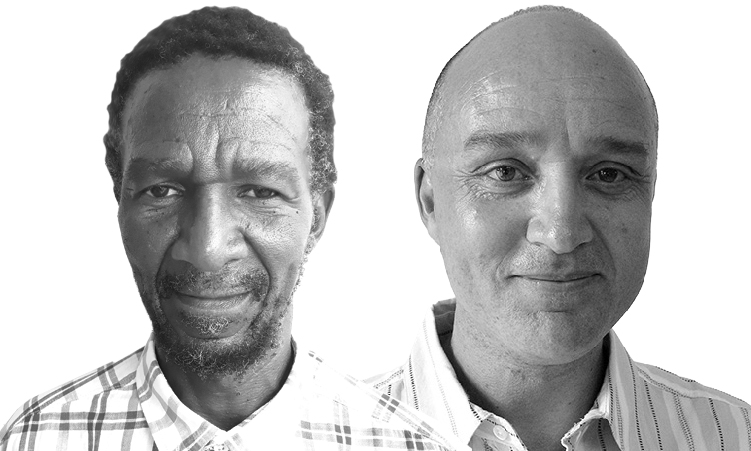
– Shaun Whittaker and Harry Boesak are members of the Marxist Group of Namibia.