


A Double – storey tent imported from South Africa with a luxurious carpet, complete with air conditioning.
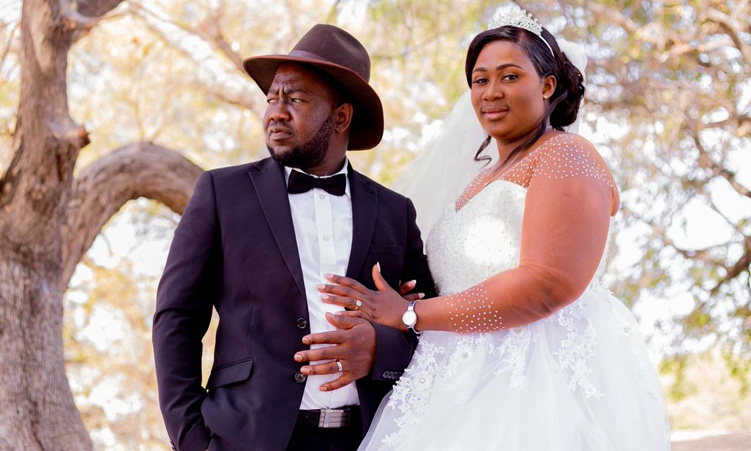
This is how some Namibian couples pull out all the stops to make their weddings the talk of the town.
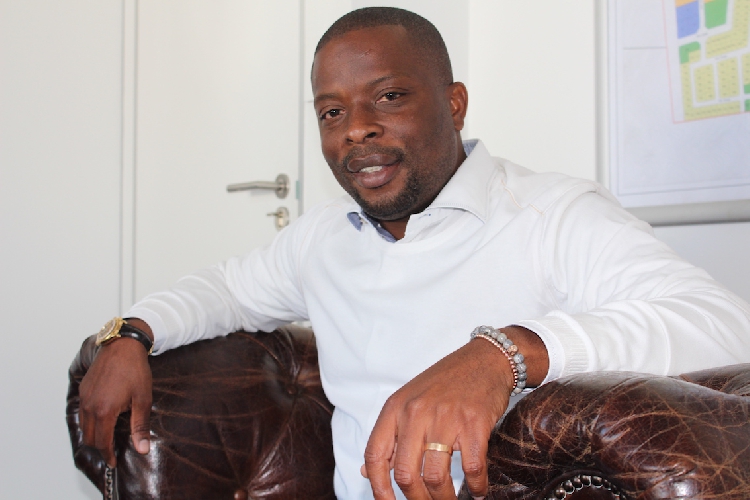
Businessman Titus Nakuumba says he cannot remember how much he spent on his wedding in 2013, but it included ferrying his family from northern Namibia to Walvis Bay’s Dolphin Park holiday resort. All he can remember was that he dug deep in his pocket.
Some estimate the cost of the tent for this wedding at around N$2 million.
“Money is irrelevant. What was important was to bring the family together,” he says.
Nakuumba hired a double-story glass tent that had to be carried by four trucks from Johannesburg to Walvis Bay.
He said some money was spent on the four buses that brought the family to the coast, the accommodation at Dolphin Park resorts, and feeding the family for the week.
“We do not have to spend all that money. People can also just go to the magistrate’s court and make the party later. That should also be accepted.
“Weddings should not be about money. Those who can, can do so, and those who can’t, should be allowed to move on. We should not compare ourselves with others,” he says.
Businessman Shapwa Kanyama also splashed on his widely publicised wedding in 2022, which included two expensive tents with air conditioning.
Inside sources estimate that the wedding, which was attended by local celebrities and influencers, cost over N$1.8 million.
While some can afford to throw money at their nuptials, others often have to save for years or take out loans to make their dream wedding a reality.
KEEPING UP WITH THE JONESES
Andreas (40) and Aili (35) Amutoko from Swakopmund tied the knot in October 2024.
The couple, who considers themselves middle class, did not expect to splurge nearly N$200 000 on their dream Namibian wedding despite their family and friends’ contributions.
Their elders back home at the village had their expectations as Owambo tradition dictates that each half of a couple must hold a wedding.
Both working at the coastal town, the couple had to take their wedding celebrations to their respective villages in northern Namibia. They spent two years saving.
Andreas hails from the village of Ongenga, and Aili is from Indangungu village.
The Amutokos began saving up for their wedding ceremony at the end of 2022. In total, they hosted three ceremonies.
As the auspicious day drew closer, the couple experienced sleepless nights when the wedding dress and suit were not completed, and their tailors stopped answering their calls.
“When we’d call the tailors they would say the outfits were nearly done, but there was no proof,” Andreas says.
They spent N$14 500 on food and refreshments after their wedding announcement at church.
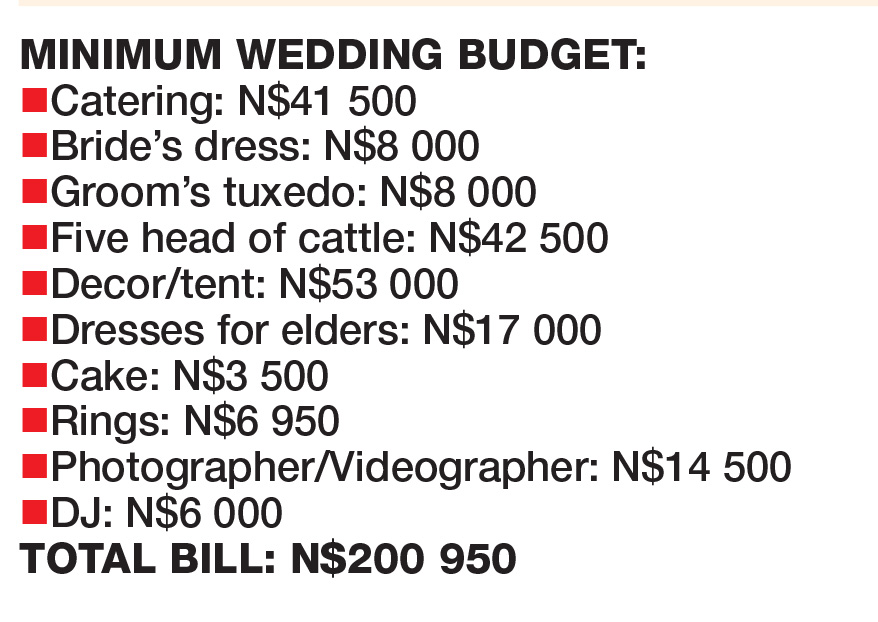
Their biggest expenses were the two wedding tents they hired for N$53 000, and catering, which cost N$41 500.
“We rented out two separate tents for the bride’s family and for my family,” Andreas says.
The couple spent N$25 500 on five head of cattle for the three celebrations.
Slaughtering the cattle is a priority, Andreas says.
The Amutokos spent nearly N$41 500 on food and drinks, and N$14 500 on a photographer.
SOCIAL MEDIA PRESSURE
Events organiser Remind Ekandjo of Remind Trading says the most a couple has spent on a wedding through his company was N$500 000, while the least was N$10 000.
He says this is determined by the number of guests at the event and what the couple desires.
“In my many years of wedding planning, I’ve observed many factors that contribute to issues during the wedding . . . which often end in depression.
“People tend to want to do their weddings above budget,” Ekandjo says.
He says social media often has a negative influence on those planning a wedding.
“Some people Google other people’s weddings on the internet. They screenshot pictures and videos of other people’s very expensive weddings,” he says.
DOING IT FOR THE FAMILY
Ephraim Weyulu, the senior headman of the Oukwamyama Traditional Authority in the Eenhana district, says people have lost touch with their cultures and want to live and do things the Western way.
“Back in the days we respected tradition – a man and woman were initially introduced through their families.
“Everything was done through the parents’ arrangements. Let’s go back to our traditional ways of doing things,” he says.
N$30 COURT WEDDING
Toini (31) and Trevor (36) McLari decided to get married in court in June this year, while saving up for their dream wedding next year.
Toini says this decision sparked upset among the elders in both their families.
“The elders were against it at first. They only came around once we agreed to throw a reception party afterwards,” she says.
The family reached a compromise and contributed N$7 000 to a party after the couple’s N$30 magistrate’s court ceremony.
The Windhoek-based couple rented out a hall, had a dress tailored for N$800, bought a suit for N$1 200 and had a friend bake their three-tier wedding cake, since only Trevor is employed.
“I didn’t expect it to be so beautiful with such a small budget,” Toini says.
SHOESTRING WEDDING
Windhoek-based wedding planner Pamela Nangombe of Tauphi Design says she often tells her clients who are worried they do not have enough coins for their dream wedding they can have their dream wedding for N$50 000.
She says she has had clients who have spent N$500 000 on their wedding ceremony.
“Decor can make or break a wedding ceremony as vendors charge a minimum of N$100 000 for flowers, chairs, artwork and lighting.
“This does not include the catering, a DJ, the master of ceremonies or the wedding photographer and videographer, which can set the couple back N$ 60 000,” she says.
The planner says fashion designers often charge N$30 000 for their design during the consultation process.
SUPPORT FROM RELATIVES
Recently married couple Relda and Leston Wöhler saved up more than N$100 000 for two years for their wedding in 2023.
“We saved up N$100 000 for a year and a half so that debt would not follow us,” they say.
The glittering wedding gown cost N$20 000, the tuxedo N$5 000, customised to look like something out of Star Wars, and the Windhoek venue cost N$20 000.
However, without additional funding from elderly relatives for traditional Nama elements, the couple says they would not have made it.
This included the engagement ceremony, lobola, food, drinks and traditional attire.
TRADITION
Weddings in northern Namibia have gained a reputation for pomp and extravagance.
‘Aawambo Kingdoms, History and Cultural Change’ writers Lovisa Nampala and Vilho Shigwedha say a wedding took place once a girl had begun her menstrual cycle.
This was to prevent the girls from disgracing their families by falling pregnant.
The ceremony would take place after the girls had undergone the olufuko ritual and the parents felt she was ready for marriage.
The ceremony occurred once the groom sent lobola cattle for slaughtering, and the bride would invite bridesmaids and relatives to share meat and beer.
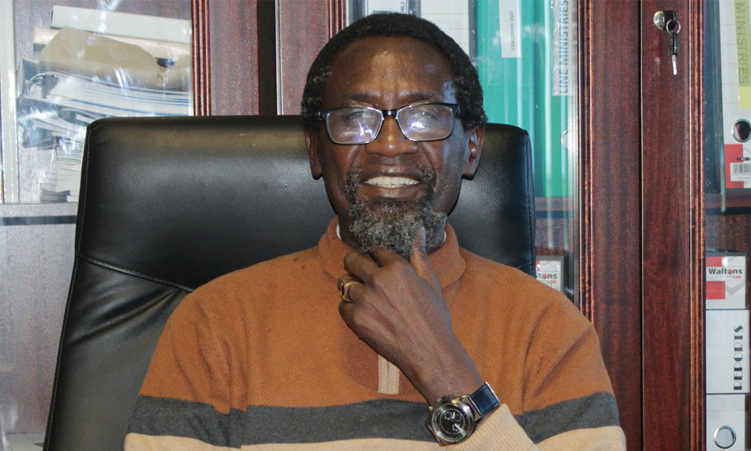
Ondonga Traditional Authority spokesperson Frans Enkali says this practice, however, has since changed with couples opting for more lavish weddings.
“Transitional weddings are the cheapest way of getting married, but this has changed due to the pressure to show friends you have money,” he says.
The two-day ceremony would take place over two days due to the distance between the bride and groom’s homes.
The festivities would begin at the bride’s home and then proceed to the groom’s family.
‘Lobola’ cattle are traditionally given to the bride’s family to feed their guests, who were often unemployed.
Enkali says church wedding announcements add to financial strain due to food and drinks for the party afterwards.
Additionally, a wedding suitcase is traditionally sent before the wedding day, containing the bride’s dress, a veil, a blanket and a lamp symbolising the groom’s promise to take care of her after the wedding.
This is just one of many extras racking up the price of love even more.
THE MENTAL TOLL
The cost of extravagant weddings and the mental toll it takes came in the spotlight after Dimbulukweni Vaino of Ashikumbwe village in the Oshikoto region reportedly took his life on Saturday, one day before his wedding announcement.
Over the past three years, The Namibian reported on three men who took their lives before their wedding announcement or ceremony.
Police spokesperson inspector Elifas Kuwinga in 2022 confirmed that Israel Itembu (43) took his life. He allegedly planned to get married, but preparations were not running smoothly.
In the same year, Petrus Nanyeovanhu (41) allegedly took his own life a few hours before he was due to get married at Onakatambili village in the Oshana region.
In 2023, Oshakati resident Matheus Iilongeni (43) was also suspected to have taken his life on the day he was due to get married at a village in the Omusati region.
Iilongeni went missing and his body was discovered behind his homestead at Anamulenga.
Viano’s cousin, social activist Michael Amushelelo, says men are pressured to please their bride and her family by providing for an extravagant wedding.
“We men are simple creatures. We can get married under a bridge or tree, but there’s pressure to appease our brides,” he says.
Couples can get married at magistrates’ courts for N$30, but are often keen on having extravagant, Westernised weddings, he says.
In Vaino’s case no suicide note was found, and therefore, Amushelelo says, his death cannot be attributed to the financial strain of planning a wedding.
The news of Vaino, who was the chief inspector of communications at his workplace, shocked his home village of Onakazizi.
‘MEN DON’T TALK’
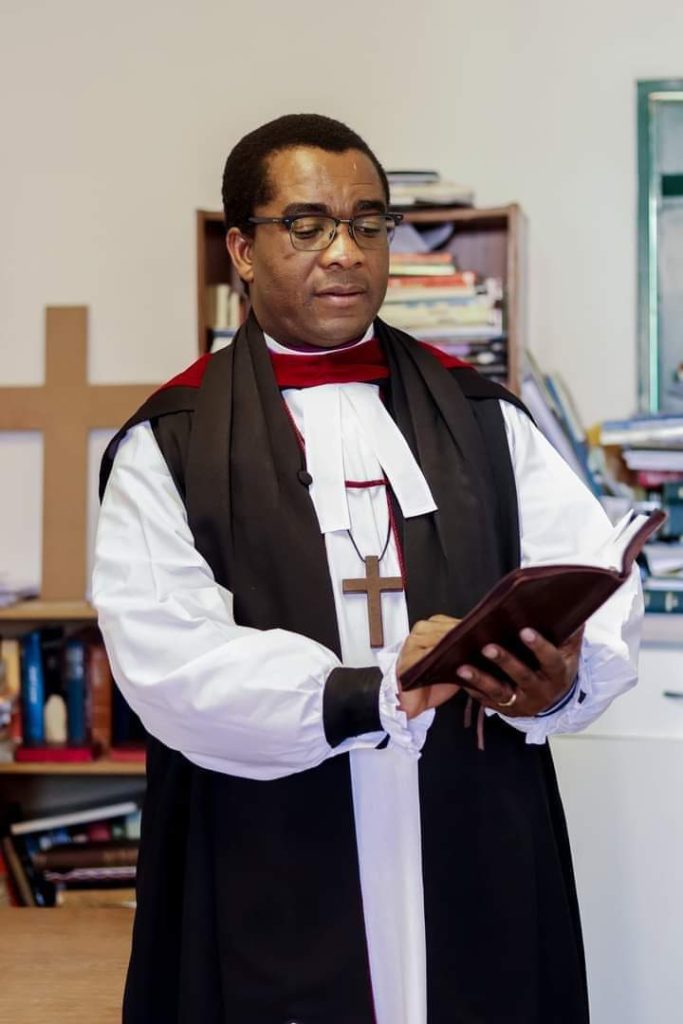
Bishop Lukas Katenda of the Reformed Evangelical Anglican Church of Namibia says men tend to face mental breakdown when overwhelmed, and this causes them to fixate on negative thoughts.
“Negative thoughts become the norm, and it becomes hard to change. Men also face a lot of pressure, which leads to wrong decisions and isolation, and this leads to blockages in the thinking process,” he says.
Katenda says a lack of family and social support is one of the main reasons for depression.
“Men don’t speak about their problems, and in this case, no one knows why Vaino took his life. It could have been work, finances, or family. We will never know.”