President Netumbo Nandi-Ndaitwah has called for open dialogue in Namibia’s fishing industry as unions warn the sector is in crisis, with workers facing job insecurity, poor conditions and limited benefits.
The president said this during the opening of a three-day consultation with fishing companies at Walvis Bay on Tuesday.
“We are here to listen, to understand, and to reflect together on the way forward for this vital sector,” she said.
She said the industry has changed over time. During her state of the nation address last month, the president admitted to a general downward trend in the main regulated species for total allowable catch (TAC), signalling pressure on the sector’s sustainability.
She said a review of harvesting control rules for all subsectors has begun, and the government is working on developing management plans for all TAC-regulated species.
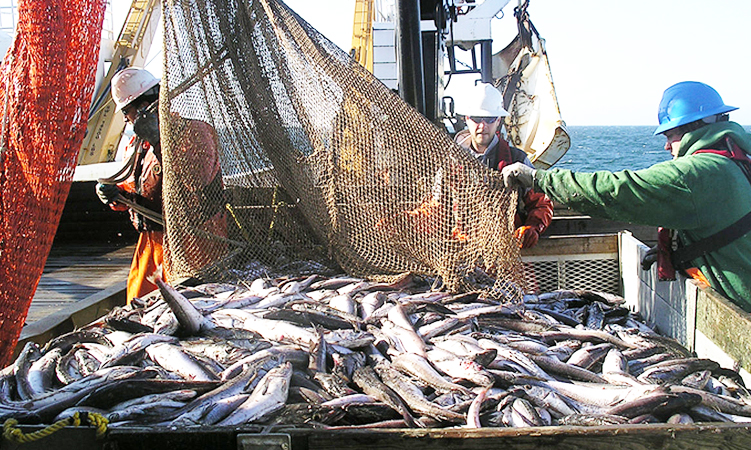
A survey on horse mackerel and small pelagic stock in 2024 revealed an 8% decline in horse mackerel biomass, the recovery of sardines, and operational setbacks worsened by environmental anomalies.
The survey, conducted between March and April annually along the northern Benguela ecosystem, assessed species abundance, biomass, and distribution to guide sustainable fishing practices for the subsequent year’s fishing season.
The hake industry imported fish worth almost N$140 million in the fourth quarter of 2025, according to the Namibia Statistics Agency.
The sector players attributed this to the decline in the TAC as well as quotas allocated to companies.
The sector contributes about 7% to the gross domestic product and supports about 16 000 direct jobs, with additional employment in processing and logistics, particularly at Walvis Bay and Lüderitz.
“We recognise that the industry is not what it used to be. Changes have taken place affecting jobs, livelihoods, and the daily realities of many Namibians,” she said yesterday.
She said the sector remains important to the economy, but noted concerns around sustainability and industry practices.
Nandi-Ndaitwah said the government will use the consultations to develop responses to the challenges raised.
“We have come to listen with an open mind to those who experience the realities of this industry every day,” she said.
The president said Namibia remains committed to building a “strong, sustainable, and inclusive fishing industry”.
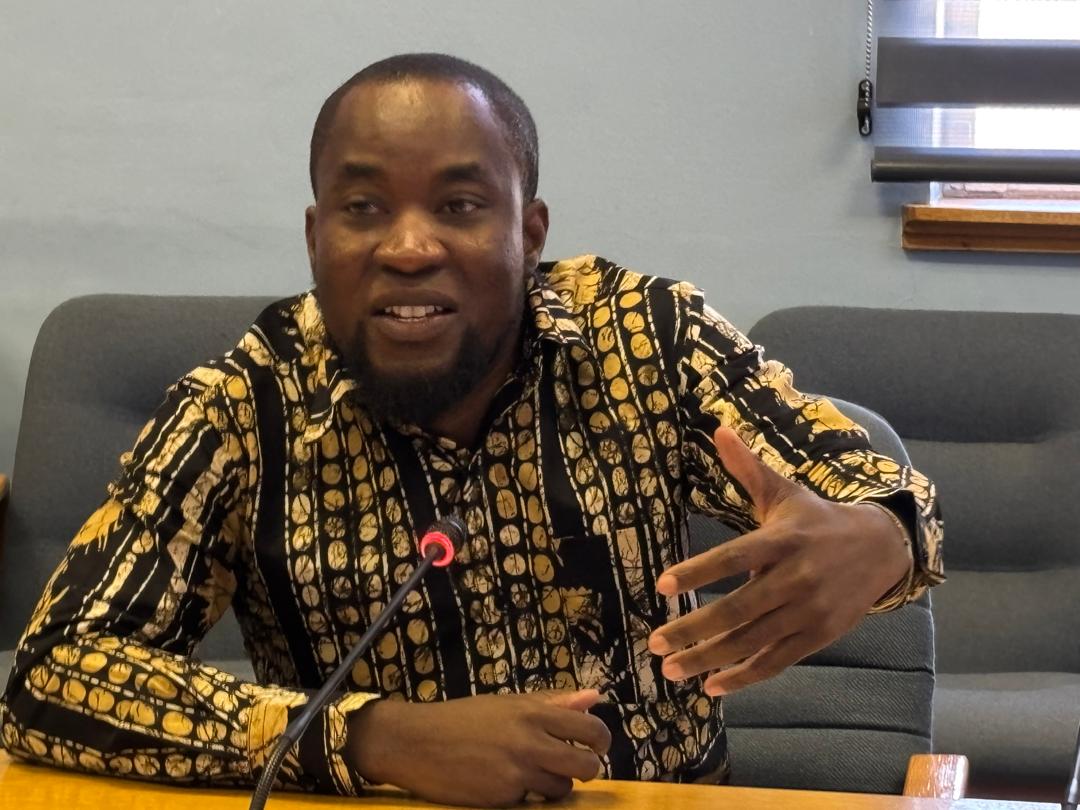
During the same meeting, Namibia National Labour Organisation (Nanlo) general secretary Joseph Garoeb said the fishing industry is faced with a deep crisis affecting workers.
“The ongoing crisis in Namibia’s fishing sector continues to disproportionately affect workers despite the sector’s strategic importance to the national economy,” he said.
Garoeb said workers remain at the bottom of the value chain.
“The fishing sector contributes significantly to the economy, yet those who labour within it remain the poorest of the poor in the supply chain,” he said.
He said the situation reflects broader failures in governance and accountability.
“From a political perspective, the current situation reflects structural failures in governance, accountability, and equitable resource distribution,” Garoeb said.
The general secretary said decisions in the sector have not been transparent and workers are often not consulted.
“Decisions have been taken without transparency or meaningful consultation,” he said.
Nanlo also raised concerns about labour practices, including the use of fixed-term contracts, labour hire arrangements and ‘no work, no pay’ conditions.
The union said these practices have increased job insecurity and weakened worker protection.
It called for urgent reforms, including stronger enforcement of labour laws and a review of quota allocation systems.
The fishing sector has in recent years faced repeated disputes over quota allocation, employment practices and labour conditions, with workers raising concerns over job insecurity and uneven benefit distribution.
The three-day programme began yesterday with presentations by unions and employers, including representatives from the Namibia Food and Allied Workers Union, the Namibia Seamen and Allied Workers Union and industry bodies, followed by discussions.
On the second day, government officials are expected to present an overview of the fishing sector, including of economic performance, the Government Employment Redress Programme, the status of fish stocks, and efforts to combat illegal fishing.
Labour conditions in the industry will also be discussed, alongside the role of the Anti-Corruption Commission in addressing fraudulent employment practices linked to quota allocations.
The consultations will conclude with a summary of engagements and the president’s closing remarks.
On the final day, the presidential delegation is scheduled to visit fishing factories and government facilities, including the Vessel Monitoring System Centre, the research vessel Mirabilis, and processing companies operating at Walvis Bay.
Tensions have been linked to the Government Employment Redress Programme, raising questions about how quotas are allocated across companies and how this affects employment.
The industry has also been affected by fluctuating fish stocks, including of hake and pilchard, which has led to reduced catches and unstable employment, particularly for seasonal workers.