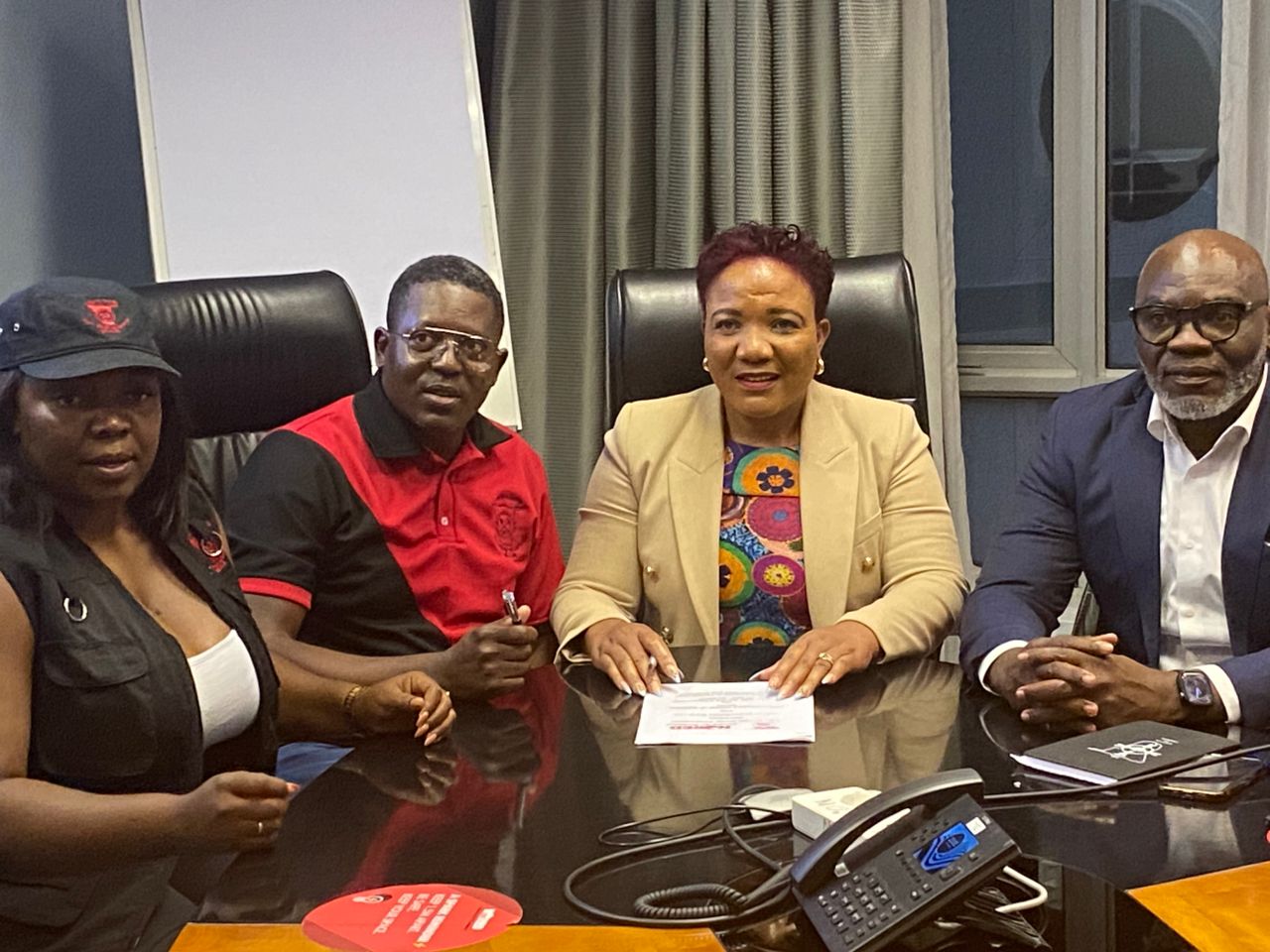




President Netumbo Nandi-Ndaitwah has appointed Ndiyakupi Nghituwamata as ambassador to Ghana – despite her being under investigation by the Anti-Corruption Commission (ACC).
Nghituwamata was questioned by the ACC in May over her role in awarding a N$4.9-million tender to Cha-Cha-Cha Management Consultancy, a company owned by minister of urban and rural development James Sankwasa.
Her appointment has prompted ongoing concerns about the vetting of senior government appointments.
Nandi-Ndaitwah has further appointed former Ohangwena governor Walde Ndevashiya as ambassador to Nigeria, two years after he was fired by former president Hage Geingob.
Nghituwamata, who until last week was the executive director of agriculture, fisheries, water and land reform, yesterday said she previously addressed similar inquiries in her correspondence dated 21 May.
“I wish to reiterate the following: I have fully complied with the ACC process. I granted the ACC unrestricted authority to review all relevant documents and records. I had nothing to hide then, and I have nothing to hide now,” she said.
Nghituwamata said it should, however, be noted that she is the point of entry in her capacity as executive director.
“All relevant documents and records were channelled through my office, and I fully complied with and facilitated the investigative process,” she said.
Nghituwamata said the ACC is an independent statutory authority, and will provide further clarity.
ACC sources this week told The Namibian that “investigations are almost finalised”.
“Investigations don’t get stopped by political decisions,” she said.
ACC director Paulus Noa could not be reached for comment.
Presidential spokesperson Jonas Mbambo this week said: “We will go through the questions and put together a response once everything on our side is properly lined up.”
The new diplomatic posting has revived long-standing concerns about how Nandi-Ndaitwah’s administration is vetting senior government appointments and whether prior conduct is adequately considered.
Ndevashiya, who was removed from office in 2023, declined to comment this week.
“I don’t want to dwell on the past. Ask me what I am going to do for my country, but right now I am going into a meeting,” he said yesterday.
‘STRUCTURED PROCESS’
Former ambassador and analyst Pius Dunaiski says appointing an ambassador follows a structured process.
“Once the president has a name and is sure about the competence, likes the person, feels the person will be an asset to the country and will not cause an embarrassment or scandal, then a choice will be made,” he says.
Dunaiski says ambassadors work far from home, and if they are not strong in character or integrity, they could embarrass the country.
“The president gives a name, the person submits a CV, and the head of state evaluates their achievements. That name and CV is then submitted to the Namibia Central Intelligence Service (NCIS), which checks whether there are any scandals, a bad reputation, or criminal records.”
Dunaiski says after intelligence clears the candidate, the president sends the name to the host country.
“The host country’s intelligence, for example Ghana, will then inform their president to accept that person or not. By the time a person is appointed or commissioned, they have gone through long and tough scrutiny.”
He says if an individual under investigation is still commissioned, it raises serious concerns.
“Either people are turning a blind eye to the truth, or political considerations, nepotism, or protecting allies from prosecution come into play. On the other hand, the person may be innocent and it’s just political witch-hunting.”
Dunaiski says presidents make mistakes. “But it’s unlikely because they have all the tools, such as intelligence. Problems happen when names are rushed through in a week or two and people just close their eyes and hope nothing goes wrong.”
The president has been accused of failing to vet her appointees, including former agricultural minister Mac Hengari, who has a pending investigation into rape allegations.
THE CONSULTANT
The ACC is investigating how the agricultural ministry hired Cha-Cha-Cha Management Consultancy on an emergency basis in February to oversee the closure of the Agricultural Business Development Agency (Agribusdev).
The consultancy brought in Stefanus Niikondo, the ministry’s former deputy director of human resources, to carry out the same responsibilities he allegedly managed before retiring in July 2024.
Niikondo is accused of drafting the terms of reference for the tender before his retirement and then joining the company that won it.
Both Niikondo and Sankwasa have denied any wrongdoing.
In an age of information overload, Sunrise is The Namibian’s morning briefing, delivered at 6h00 from Monday to Friday. It offers a curated rundown of the most important stories from the past 24 hours – occasionally with a light, witty touch. It’s an essential way to stay informed. Subscribe and join our newsletter community.

The Namibian uses AI tools to assist with improved quality, accuracy and efficiency, while maintaining editorial oversight and journalistic integrity.
Stay informed with The Namibian – your source for credible journalism. Get in-depth reporting and opinions for
only N$85 a month. Invest in journalism, invest in democracy –
Subscribe Now!