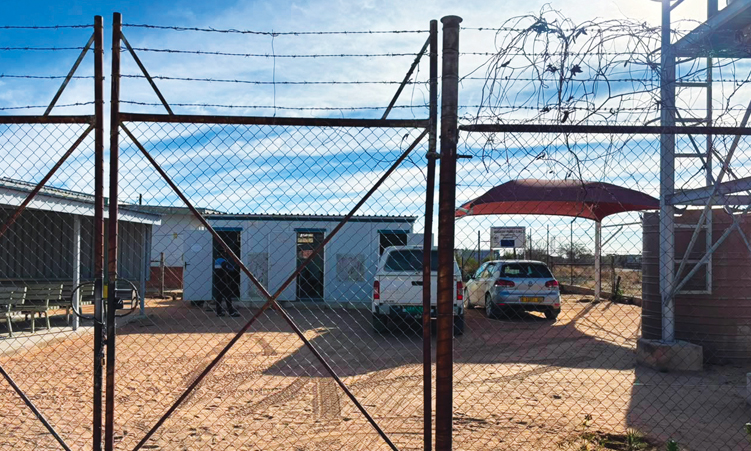







Proactive measures by the Police Tourism Protective Subdivision has resulted in a reduction in the number of criminal cases targeting tourists visiting Namibia.
Police Tourism Protection Subdivision head chief inspector Christina DaFonsech-Shikongo says her hands-on approach to policing has helped reduce crime figures since February 2026 when she was appointed to head the unit.
“On average, Namibia receives about 1 035 tourists daily from 14 international flights, including those from Germany, Switzerland as well as within the Southern African Development Community region, and we have direct engagements daily with them on arrival at Hosea Kutako International Airport, where we share the dos and don’ts, as well as give them crime prevention tips.
“We also share with them contact details of all 14 regional commanders and other relevant information,” she says.
DaFonsech-Shikongo says 376 outstanding cases were brought forward to the unit in February, but up to June this year, her unit had only received 57 cases involving 20 suspects.
Out of the 57 cases, 36 have been finalised and those convicted have been sentenced to jail terms.
“Robbery topped the list of crimes reported then, but now it has been overtaken by theft from motor vehicles, especially at places like bed-and-breakfast facilities that have inadequate security arrangements like guards or CCTV cameras,” she says.
DaFonsech-Shikongo says since February, her unit had recovered 37 cellphones, four laptops, one iPad, and one Gucci handbag valued at between N$30 000 and N$40 000, all stolen from tourists.
“All recovered items have been sent to their owners through their countries’ embassies, while those belonging to local tourists had also been returned to their owners.”
She warns tourists against making advance bookings and payments through unregistered car hire companies and paying for services using credit cards – unless they are dealing with genuine service providers or tour guides.
She says the unit’s biggest challenge is the language barrier as some tourists do not understand English, while investigating crimes perpetrated by unregistered tour guides and service providers is also difficult because of a lack of reliable records.