The police have called for some traffic fines to be reduced, arguing that lower penalties would improve compliance and reduce the growing number of unpaid warrants.
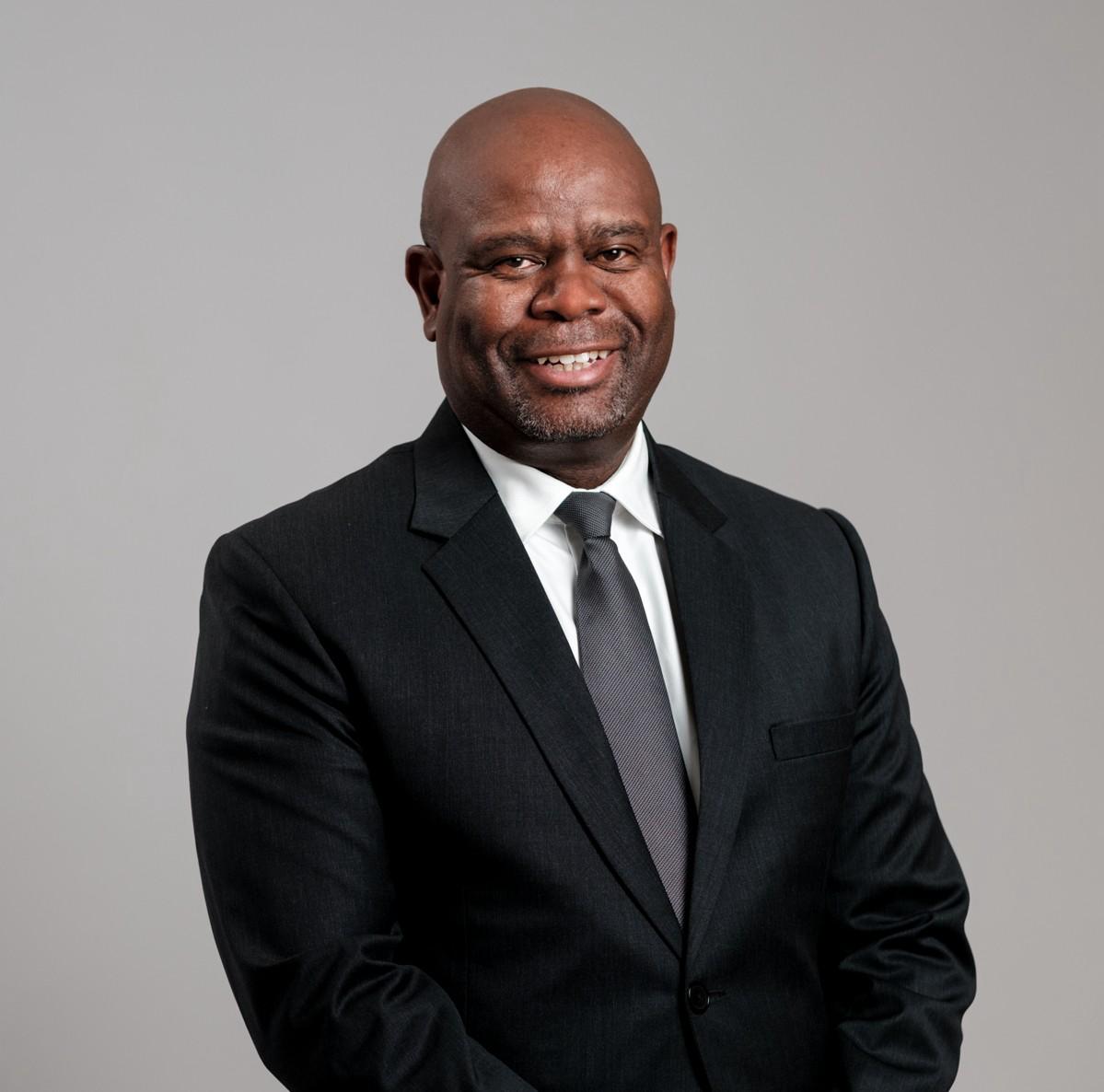
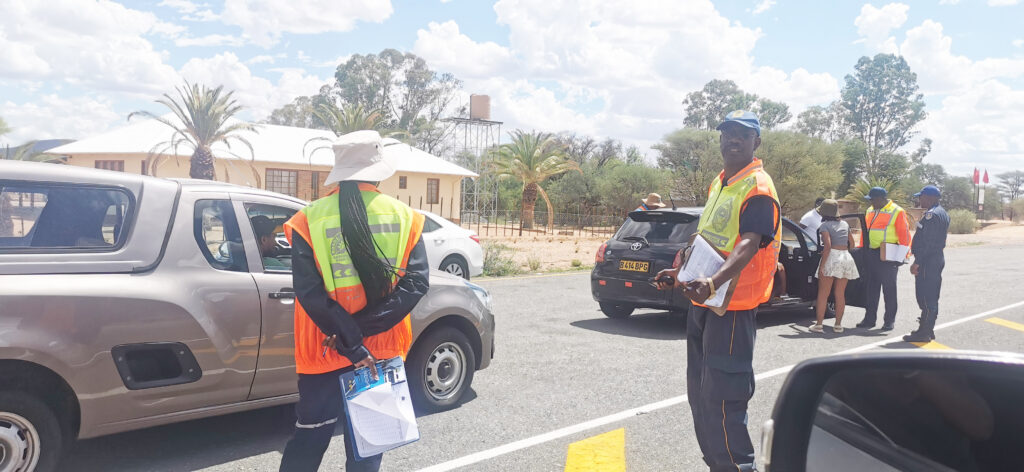
Traffic law-enforcement directorate head commissioner Petrus Swartz announced this during the National Council standing committee on transport, infrastructure and housing’s public hearings on the motion on road accidents in Windhoek on Monday.
He said the current penalty system puts an unfair burden on low-income motorists who cannot afford to repair defective vehicles or pay fines.
“A motorist can get a fine worth thousands, yet he cannot afford to fix that same car that truly just brings an administrative backlog, because the warrants of arrest just keep piling up.
“I don’t have money to buy a new tyre.
“Now you as a traffic officer come and give me a ticket for the tyre that is not repaired.
“Where would I get the money to pay your fine?” Swartz asked.
He said unpaid fines often result in warrants of arrest, creating an additional administrative burden for law-enforcement agencies while doing little to improve road safety.
“Now the warrants of arrest are piling up. I will come and arrest you for that offence because you did not pay,” he said.
Swartz said many offenders later appear in court and ask magistrates to allow them to pay their fines in instalments because they simply cannot afford to settle them.
When asked whether current penalties are sufficient, he said they are both adequate and excessive, depending on offenders’ financial circumstances.
“I can even say reduce it further. Really take it back to N$300, because then the administrative burden that started in my office will disappear.
People will be able to pay the penalties,” he said.
Swartz said wealthier motorists generally have little difficulty paying fines and may continue committing offences because the penalties do not significantly affect them financially.
“But the poor, the vulnerable, they are suffering.
That is why we should keep the momentum. Let us listen to the communities,” he said.
Swartz urged communities to become active partners in promoting road safety, saying awareness campaigns alone are not enough.
“Come to the table. Come to the party and join us in the fight. Speak to your children,” he said.