





The Office of the Judiciary hosted its inaugural national conference on alternative dispute resolution on Tuesday to expedite the delivery of justice in Namibia.
The theme of the conference was ‘Enhancing Access to Justice Through Plea Bargaining: Lessons, Prospects and Practical Solutions’.
In his speech, chief justice Peter Shivute said the event aims to improve justice delivery and implement mechanisms that offer real and immediate relief to an overburdened criminal justice system by way of plea bargaining.
Shivute said access to justice is not just a strategic goal, but a constitutional imperative and a moral duty.
According to him, plea bargaining is not a new concept, as it is one used globally and increasingly within Africa.
“In many jurisdictions, this form of alternative dispute resolution has emerged as a pragmatic and fair solution to challenges of criminal case overload, prolonged trials, and delayed justice. It is not about circumventing justice. It is about achieving justice in a manner that is both efficient and humane,” he said.
Shivute said plea bargaining offers benefits in modern criminal justice systems.
“It enables the swift resolution of cases, reducing the time required to finalise matters and easing the burden on courts. By streamlining case disposal, it helps address backlogs, particularly in lower courts, where the volume of matters is often high. It also contributes to reducing the number of accused persons held in pre-trial detention, thereby promoting more timely access to justice and alleviating pressure on correctional facilities,” he said.
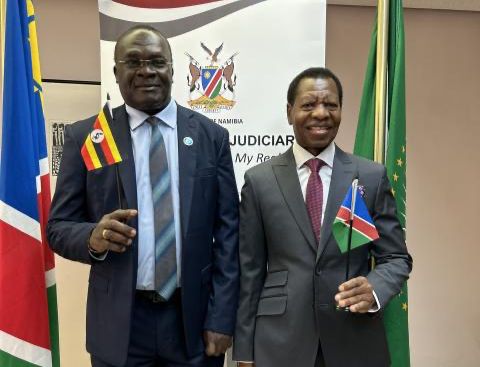
Visiting chief justice of Uganda Alfonse Owiny-Dollo at the event stressed the need for access to justice in Africa.
“It is dawning on us that the formal justice system we have practiced for decades is not only alien but is adversarial and hostile to the African interests and values. It’s a danger to the norms and values that have sustained our societies for thousands of years. This foreign legal regime has had enormous negative impact on the administration of justice in our various African jurisdictions,” he said.
He called on African judiciaries to look at existing criminal justice systems and explore the introduction of pre-judgement mechanisms to ease court backlogs and deliver justice more efficiently.
Several judges from Uganda also attended the conference.
Last month, lawyer Kadhila Amoomo recommended to the minister of justice and labour relations, Wise Immanuel, the introduction of a plea bargaining system in the Namibian criminal justice system as it will shorten the period it takes to finalise criminal cases in Namibia.
“As we speak, it takes roughly around three to five years to finalise cases in Namibia. If we introduce plea bargaining like other jurisprudences, we are likely to achieve a curtailment in the criminal justice system,” he proposed.