Omusati region communities are improving land-use management to tackle resource scarcity, environmental degradation, and rising agricultural demand through a United Nations-backed drylands sustainability project.
Namibian forest management and integrated land-use planning consultant Maria Amunyela says proper planning can help communities manage limited land resources and reduce pressure on the environment.
Amunyela said this at a one-day integrated land-use planning meeting at Okahao last week.
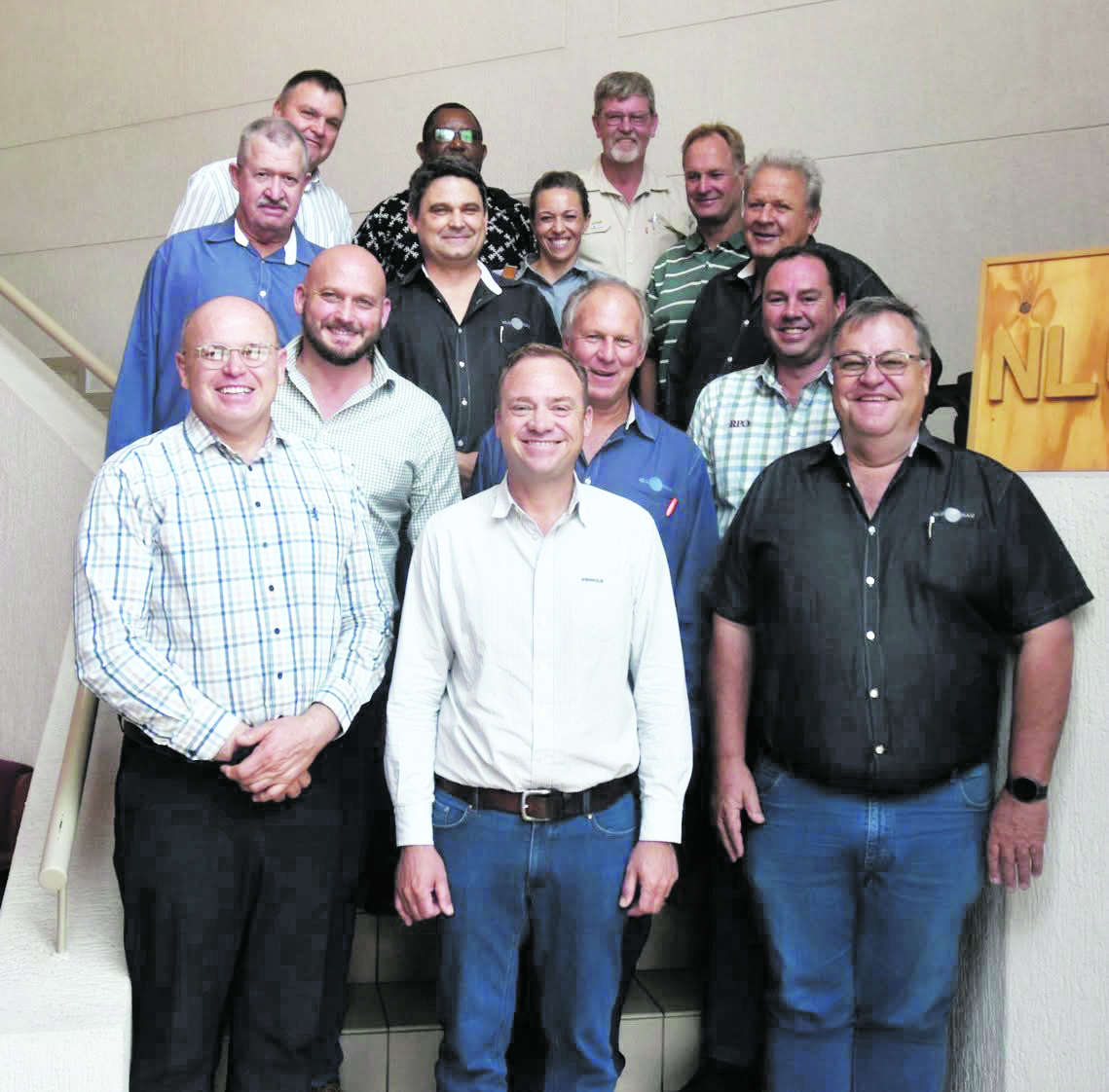
The meeting brought together 27 people from the Otamanzi, Okahao and Tsandi constituencies to discuss the development of local land-use plans.
Amunyela said land-use planning is important because land resources are limited while the population and demand for agricultural production continue to grow.
“Without proper land use, this would lead to human conflicts for natural resources and unsustainable development,” she said.
She said the meeting aimed to help communities understand the importance of land-use planning and its link to land degradation and desertification.
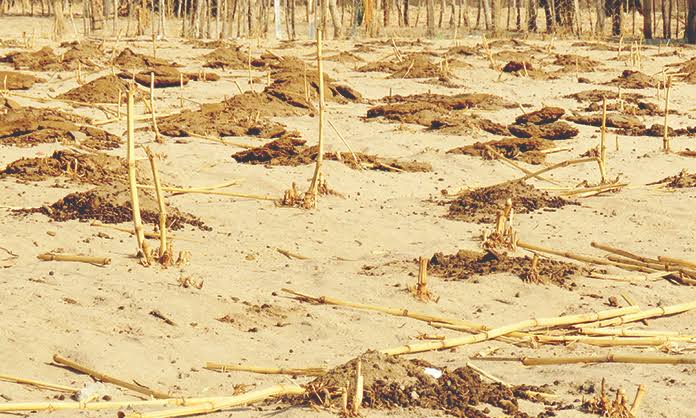
Participants also discussed challenges they face in using land and ways to restore degraded land and make it productive again.
They were divided into three groups representing their constituencies, and presented the land-use challenges and possible solutions in their areas.
Project implementation officer for the north-central region Isak Kaholongo said communities need to understand the environmental challenges they face and how to address them.
“We want every constituency to have its own map on land-use planning, showing where mahangu fields should be, what grazing areas should be, where rivers or lakes are or where the rivers are,” he said.
The three constituencies form part of the Kunene-Cuvelai Landscape under the Drylands Sustainable Impact Project.
The project aims to improve the management of dryland areas in the Mopane-Miombo belt of northern Namibia.
It covers three landscapes in Namibia: the Okavango, Etosha and Kunene-Cuvelai landscapes.
The project is jointly implemented by the Ministry of Agriculture, Fisheries, Water and Land Reform and the Ministry of Environment and Tourism in collaboration with the Namibia Plant Genetic Resources Centre.
It is funded by the Global Environment Facility through the Food and Agriculture Organisation of the United Nations.
The project also plans to establish community seed banks in the three landscapes. In the Kunene-Cuvelai landscape, a community seed bank will be established at Engombe Growth Point in the Uuvudhiya constituency of the Oshana region.
Other activities include providing drought-resistant crops, procuring firefighting equipment, conducting biomass assessments and supporting community-based organisations with governance.
The project has also conducted natural resource inventories to improve resource management and plans to rehabilitate an earth dam.
The project is being implemented in 11 countries across Africa and Asia.
It was launched in Namibia in March 2023 and is expected to run until April 2028.