



THE management of the biodiversity-rich lower Okavango-Bwabwata wetland site will be integrated into the management plans which already exist for wildlife parks located in the north-eastern regions of Namibia.
This is according to a senior conservation scientist in the Ministry of Environment, Forestry and Tourism, Kenneth //Uiseb.
//Uiseb on Monday said the ministry initially brought in an expert to develop a unique plan for the wetland site, but realised there were a number of park management and tourism plans designated for these north-eastern areas into which the management of this wetland site could be integrated.
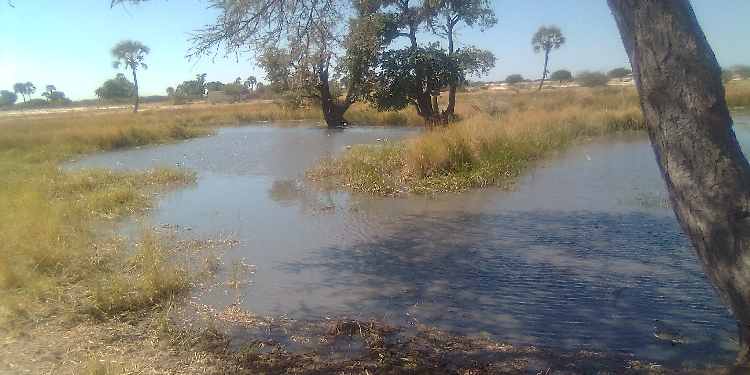
The wetland was officially recognised as an area of international importance in June 2014 when it was designated as a Ramsar site under the Ramsar Convention.
It became Namibia’s fifth Ramsar site, after the Orange River Mouth, Sandwich Harbour, Etosha Pan and Walvis Bay Lagoon.
This designation ensures national action and international cooperation on the conservation of wetlands and strives towards the sustainable use of resources in these areas.
//Uiseb said the wetland is located in the areas where Bwabwata, Mudumo, Nkasa Rupara, Popa Falls and Khaudum national parks are located, and thus could be integrated into the effective management of these parks.
The park management and tourism plans for these parks and that of Tsau //Khaeb (formerly Sperrgebiet) were developed through the Namibia National Parks Programme (NamParks), with funding from the German Development Bank (KfW), and were launched in October 2020.
The justification for the designation of the lower Okavango River areas as a wetland of international importance was that the area contains the highest diversity of bird species in Namibia, including rare species such as the slaty egret and Pel’s fishing owl.
There are also several endemic plant species in the wetland.
//Uiseb said the management plan for a wetlands site or park provides a guide for people managing such areas on critical resources within that area which need to be restored, conserved and protected.
It is also needed to increase the awareness of people and organisations involved with the site to enhance a collective commitment to act together in the conservation of the wetland.
Wetlands provide a number of goods and services to people around the world, ranging from fish to reeds and thatching grass.
They help to prevent erosion, improve water quality, stabilise climate change and recharge aquifers.
Namibia is an active party to the Convention on Wetlands of International Importance, better known as the Ramsar Convention, signed in 1971, which entered into force in December 1975.
The convention is named after the Iranian city of Ramsar, located on the shores of the Caspian Sea.