In one of Namibia’s most remote communities, progress is not defined by grand milestones but by everyday acts of commitment.
It is seen in children staying in school, healthcare workers reaching families across vast distances, communities standing together to protect and support their young people, and local professionals choosing to return home to help build a brighter future.
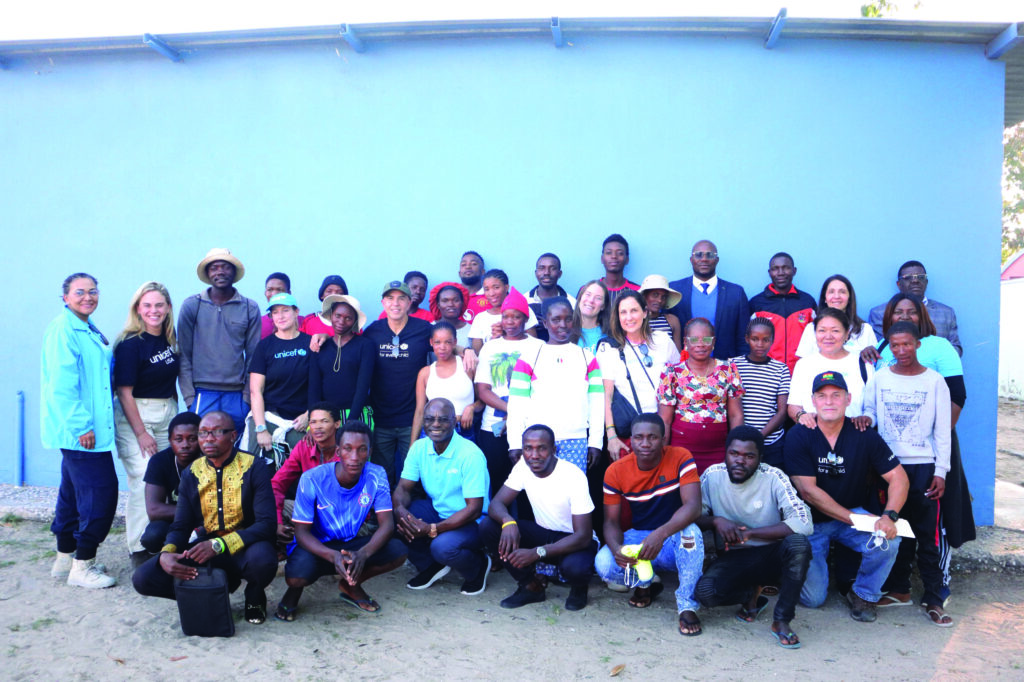
These stories came to light during a recent United Nations Children’s Fund (Unicef) field mission to Tsumkwe, where Unicef Namibia representative Samuel Ocran was joined by a delegation from the United States’ Unicef.
Together, they visited schools, health facilities and communities to better understand both the progress being made and the challenges that children and families continue to face.
The visit formed part of Unicef’s regular programme monitoring to assess how initiatives supporting children and families are making a difference on the ground.
“As Unicef, we work with government programmes across the country, and from time to time we visit communities to see how these programmes are working, understand the realities people face, and identify areas where additional support may be needed,” Ocran says.
At both Tsumkwe Primary School and Tsumkwe Secondary School, the delegation observed increased enrolment of 1 090 children and improved pupil retention.
San pupils now make up the majority of the pupil population i.e. over 700 children.
School leaders also reported a decline in pupil pregnancies.
For Ocran these developments reflected the collective efforts of parents, teachers, traditional leaders and the government.
“We want every child to go to school, regardless of who they are or where they come from,” he says.
“It is encouraging to see children from the San community learning and thriving, with parents supporting them to stay in school.
This is what ‘No Child Left Behind’ looks like.”
He also commends the strong collaboration between the schools and Tsumkwe Clinic, noting that closer links between education and health services are helping create a stronger support system for children.
Beyond the classroom, the visit highlighted another group quietly making a difference every day – frontline healthcare workers.
Among them was Benjamin Nambahu.
The nurse-in-charge at Tsumkwe Clinic spoke openly about the logistical challenges of serving widely dispersed communities with limited resources.
Yet he and his colleagues continue to put patients first, driven by a deep commitment to the people they serve.
“We do what we can,” he says.
Moved by Nambahu’s commitment, Ocran praised his service to the community.
“You have dedicated yourself to serving others,” he says.
“Even without all the tools and resources you need, you continue to provide care with commitment and compassion.
That dedication makes a real difference.”
Tsumkwe constituency councilor Petrus Mutji welcomes the close collaboration between schools and health services, saying strengthening these partnerships is essential to ensuring children and families continue to receive the support they need and that no one is left behind.
– Unicef Namibia