



The Hope Initiatives Southern Africa-Namibia (Hisa) is embarking on a fodder production project at the NoGam Fodder production farm at Kransneus, about 30 kilometres south of Windhoek.
Hisa is a non-profit organisation supporting children affected by HIV-AIDS.
Project director John Mafukidze says the initiative is being developed in partnership with FXB International, a non-profit organisation empowering vulnerable communities and fighting poverty.
“We are in the process of purchasing and establishing a hydroponic vertical farm that produces 300kg to 500kg of fodder per week, all year round.
“This container vertical farm manufactured by Sunsail Aquafarming will be located at Hisa’s production site at a community 30km from Windhoek, and will be in operation in mid-August 2023,” he says.
Mafukidze says the total cost of establishing an operating farming unit is approximately US$50 000 (N$900 000).
The farming units are produced in Windhoek, he says.
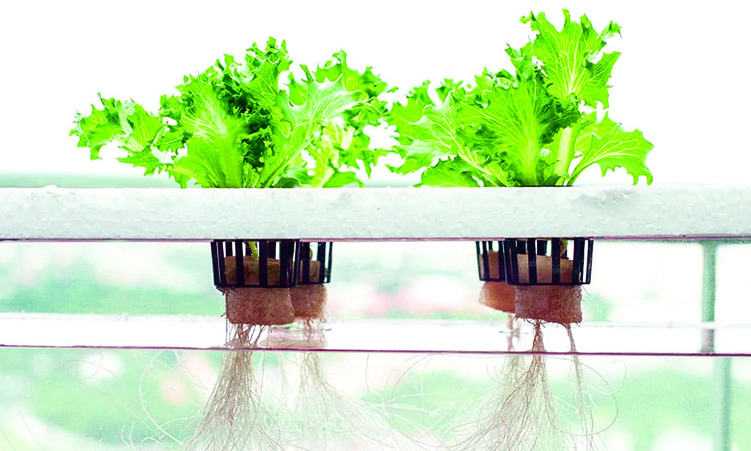
He says hydroponic vertical farms grow plants without soil, using nutrient-rich water solutions and different wavelength lighting in vertically stacked layers.
“This system utilises precise monitoring and automation technologies to optimise environmental factors such as temperature, humidity and light intensity,” he says, adding that it has the potential to accomodate between five and 10 people per 12m shipping container.
Mafukidze says as this is a pilot project, their target market is small-scale local and regional farmers and members of the Namibia Emerging Commercial Farmers Union, as well as farmers of Windhoek’s rural community.
Highlighting the benefits of hydroponics production, Mafukidze says fodder produced this way has higher levels of crude protein, neutral detergent fibre, acid detergent fibre and calcium.
Furthermore, hydroponic fodder is a rich source of vitamins A, E, and C, thiamin, riboflavin, niacin, biotin, free folic acid, anti-oxidants like B-carotene, and minerals.
It helps in the elimination of anti-nutritional factors, he says.
“Hydroponic fodder is a good source of chlorophyll and contains a grass juice factor that improves the performance of livestock. It is free from antibodies, hormones, pesticides, or herbicides,” says Mafukidze who is a master’s degree in sustainable agriculture and food security.
“This system uses up to 96% less water than traditional conventional farming and optimises yields without relying on pesticides,” he says, adding that the biggest challenge for this system is that it requires some expertise to monitor the nutrient solution’s pH level.
Mafukidze says as about 70% of the Namibian population depends on agriculture, it is important to be innovative in the face of climate change and droughts.
“Therefore, there is a great need to provide fodder/grazing material for cattle – as beef accounts for the largest share of livestock exports for Namibia,” he says.
Investing in locally produced hydroponic vertical farming units powered by solar energy that are capable of feeding 20 head of cattle, 10 horses or 2 000 chickens daily, as well as producing 400kg produce for human consumption, points to a bright future for hydroponic farming projects in addressing food insecurity and extreme poverty in Namibia, Mafukidze says.
– email: matthew@namibian.com.na
In an age of information overload, Sunrise is The Namibian’s morning briefing, delivered at 6h00 from Monday to Friday. It offers a curated rundown of the most important stories from the past 24 hours – occasionally with a light, witty touch. It’s an essential way to stay informed. Subscribe and join our newsletter community.

The Namibian uses AI tools to assist with improved quality, accuracy and efficiency, while maintaining editorial oversight and journalistic integrity.
Stay informed with The Namibian – your source for credible journalism. Get in-depth reporting and opinions for
only N$85 a month. Invest in journalism, invest in democracy –
Subscribe Now!