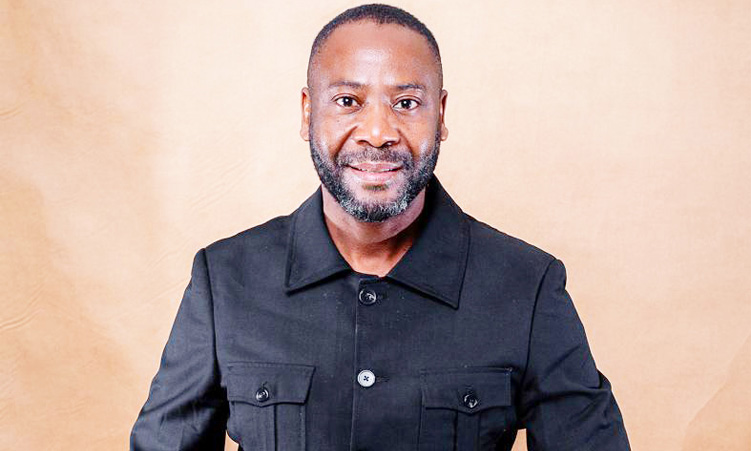



Works and transport deputy minister Veikko Nekundi has argued that if the ombudsman bill is not thoroughly examined, it has the potential to promote homosexuality via international laws which Namibia ratified.
Nekundi has taken the stance that foreign funders who appear to promote homosexuality provide funding to the Office of the Ombudsman, adding that the bill must be studied to understand what it entails.
“We thought our constitution did not support homosexuality. What are those international human rights?” he said as a contribution to discussion on the ombudsman bill, which was tabled last month in the National Assembly.
Minister of justice Yvonne Dausab on Wednesday responded by arguing that regardless of different interpretations of human rights, all Namibians are human beings despite belonging to different groups.
“If this August house is talking about protection of people’s rights, it means all Namibians. And I really do not want to go into that homosexuality debate because I think it dilutes the essence and the importance of what this house is about,” she said.
She further defended the ombudsman’s independence, assuring that there will be no interference in its mandates to carry out its duties.
This follows criticism from several members of parliament who expressed concerns that the autonomy of the Office of the Ombudsman could be compromised by the direct appointment of the ombudsman by the president.
“The ombudsman office’s independence is something that the executive supports. It is important that the ombudsman remain independent, and part of indepence is institutional independence,” she said.
She argued that there is no evidence that there has been any interference by the executive with the mandate of the ombudsman.
“Independence is not determined by who appoints you. Independence is about the operational mandate,” she stated.
She explained that the reasoning behind removing the Office of the Ombudsman from the justice office is to provide it with operational mandates, its own accounting officer and its own vote as part of the appropriation process.
She, however, agreed that the appointment of the ombudsman should be conducted similarly to the judiciary.
“Initially, we are setting up the ombudsman’s office while we also do not know the exact costs that are associated with setting it up. Some of the staff members who are already part of the ombudsman’s office will be part of setting it up and we may even have to consider seconding some of the staff members from the public service,” she said.
Dausab clarified that the person to be appointed as the ombudsman is also subject to scrutiny by an independent committee which makes recommendations to the judiciary service commission, thereby ensuring integrity of the process.
She further explained that the ombudsman is a constitutional imperative adding that she is not suggesting that the constitution cannot be amended to change the name.
“Changing a name [of the office] is not something we do overnight. We must prepare our society to know that we are now calling the ombudsman a public protector, as an example. We all know that this office was intended to be a public office and it was not intended to offend men or women,” she stated.