Namibia’s annual inflation rate slowed to 3.1% in April 2026, despite significant price pressures from the transport, housing, and utilities sectors across various zones.
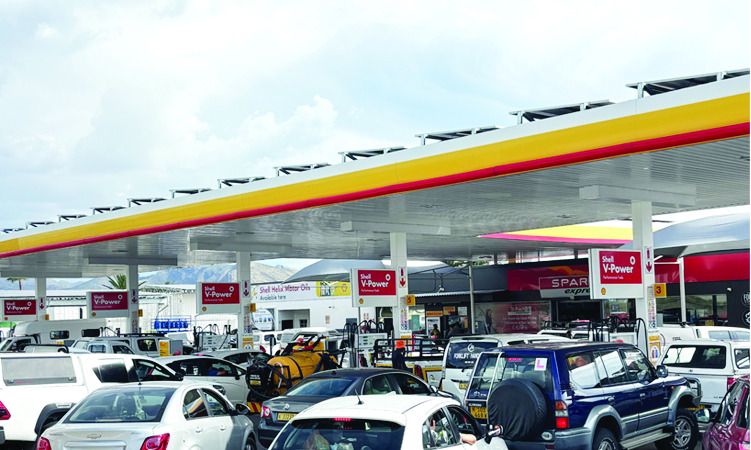
Consumers in zone 1, covering the Kavango East, Kavango West, Kunene, Ohangwena, Omusati, Oshana, Oshikoto, Otjozondjupa, and Zambezi regions, paid the highest price for diesel at N$24.31 per litre in April.
They were followed by zone 3, which are the ||Kharas, Erongo, Hardap, and Omaheke regions, who forked out N$24.30, while Khomas consumers in zone 2 paid the lowest price at N$24.12 per litre.
This is according to the Namibia Consumer Price Index (NCPI) Bulletin for April 2026, released by the Namibia Statistics Agency’s (NSA) chief executive Alex Shimuafeni.
He says this has contributed to the 3.1% inflation rate for April, compared to 3.6% recorded in April 2025.
“On a monthly basis, inflation was 1.1%, up from 0.2% in the previous month, while core inflation stood at 2.8%, slightly below the headline inflation rate,” Shimuafeni says.
However, from 8 May, fuel prices increased, with both diesel grades costing N$4.63 per litre more, bringing the pump prices at Walvis Bay for diesel 50ppm to N$28.26 per litre, while diesel 10ppm will be N$28.36 per litre.
The bulletin says in addition, consumers in zone 3 paid the highest price for a 750ml bottle of pure sunflower oil at N$34.30, followed by zone 2 consumers who had to part with N$33.60, while zone 1 consumers paid the lowest price at N$32.36.
The NSA says zonal inflation rates for the period under review show that zone 2 recorded the highest annual inflation rate at 4.2%, followed by zone 3 at 2.9%, while zone 1 recorded the lowest annual inflation rate at 2.1%.
The main contributors to the 3.1% annual inflation for April were housing, water, electricity, gas and other fuels which contributed 1.1 percentage points, followed by transport with a 0.7% contribution.
“Food and non-alcoholic beverages contributed 0.4 percentage points and alcoholic beverages and tobacco contributed 0.3 percentage points,” Shimuafeni says.
April saw the highest annual inflation rates recorded by the following divisions: transport: 5%, hotels, cafes and restaurants: 4.9%, health: 4.8%, and housing, water, electricity, gas and other fuels 4.4%.
Recreation and culture recorded 3.8%, and furniture, household equipment and routine maintenance of the house 3.1%.
Additionally, while communication recorded a 1.3% deflation, other divisions reported inflation.
The increase in the annual inflation in the housing segment was mainly driven by rising prices in the sub-component electricity, gas and other fuels, which rose by 2.5 percentage points, from 1.5% to 4%, and rental payments which increased from 4.6% to 4.7%.
“On a monthly basis, the category recorded an inflation rate of 0.1% – the same as in the previous month,” the NSA says.
Food and non-alcoholic beverages, which carry a weight of 16.5% in the NCPI basket, recorded an annual inflation rate of 2% in April this year, down from 5.6% in the same period last year.
“While food and non-alcoholic beverage prices are still rising, they increased slower in April than they did in the preceding month,” the NSA says.
The agency says transport, which carries a weight of 14.3% in the consumer basket, recorded an increase of 5% in April, compared to a deflation of -0.3% in April 2025.
– email: matthew@namibian.com.na