The small size of the Namibian market makes it imperative for the country to look beyond its borders for larger markets for its products.
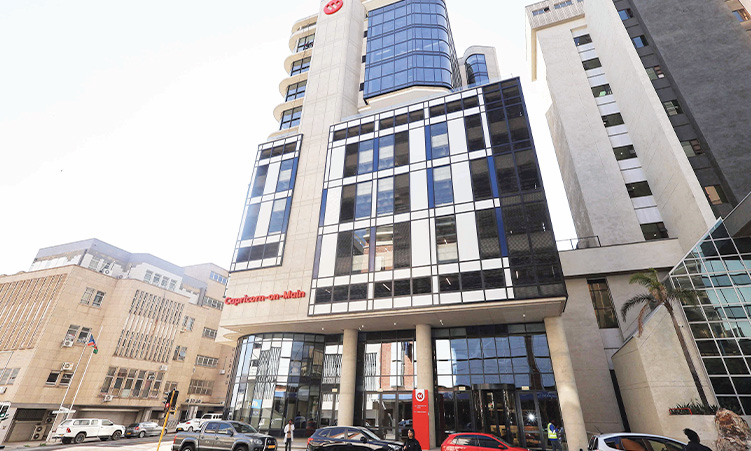
This was said by Ministry of International Relations and Trade executive director Ndiitah Nghipondoka-Robiati when she officially launched the first edition of the Namibia Exporters’ Guide at the Namibia Investment Promotion and Development Board (NIPDB) offices in Windhoek yesterday.
“With a domestic market of approximately 3.2 million people, sustained economic expansion and business growth depend heavily on our capacity to look beyond our national borders, compete internationally and integrate our producers into broader regional and global value chains,” she said.
She added that exports remain a vital driver of national prosperity, serving as an important engine for job creation, industrial capacity building, foreign exchange earnings and overall economic resilience.
However, Namibia’s export basket remains predominantly concentrated in primary commodities, such as uranium, gold, fish, diamonds and beef, she said, noting that Namibia exports about 80% of its beef.
Nghipondoka-Robiati said businesses, including those at micro level, require trade intelligence to convert trade agreements into actual commercial transactions.
“Businesses require clear operational guidance, regulatory compliance capabilities, and accessible support systems,” she said.
“For many businesses, especially micro, small and medium sized enterprises (MSMEs), navigating export procedures, technical standards, documentation requirements, customs regulations, transport logistics, and foreign buyer verification can present complex challenges. This publication addresses this precise gap,” she added.
Nghipondoka-Robiati said the exporters’ guide serves as a foundational roadmap designed to demystify the export process, which can be very complex and cumbersome.
She said by consolidating scattered regulatory and trade information into a single, easy to read, structured handbook, it simplifies the how-to of exporting across key operational stages, such as export readiness assessments, market selection and entry, regulatory compliance and standards, logistics and documentation, trade finance and risk mitigation.
Speaking at the event, NIPDB acting chief executive Julia Muetudhana said export remains critical to economic growth, job creation, industrial development and foreign exchange earnings.
“In many parts of the countries, when I was reading about the trade and especially African trade, it’s MSMEs that drive the economic growth. And that’s why Namibia has a significant export potential,” she said.
Muetudhana said mechanised export reached approximately N$125.7 billion in 2025, reflecting a 7.6% increase from the previous year.
“However, our export remain consecrated in key commodities and markets as we work towards increasing exports to N$168 billion by 2030. And we are very, very ambitious about it,” she said.
She said diversification, value addition, beneficiation and access to new markets will be essential, adding that African countries must stop exporting mainly raw materials.
Standard Bank trade manager Emilia Uupindi explained how MSMEs can unlock trade finance from banking institutions.
Tupandule Shipo-Nghidengwa, a consultant for policy research at the NIPDB, took the audience through a brief overview of the Namibia exporters’ guide.
“The guide caters for new exporters, existing exporters, and exporters that are really just in preparation and need the necessary information. So it also provides a common reference for policy makers, development partners, and business support institutions.
“This is aimed at strengthening the Namibian export ecosystem,” she said. – matthew@namibian.com.na