



IT IS IMPERATIVE that African countries realise we are all faced with rhino poaching.
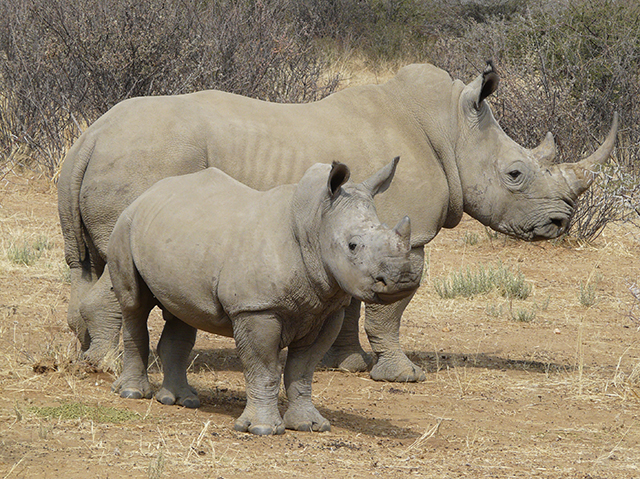
According to the non-profit organisation Save the Rhino Trust (SRT), Namibia holds almost a third of Africa’s black rhino population.
The ever-present threat of rhino poaching haunts the future of black rhinos in Namibia, and this depends largely on our nation’s ability to protect it.
In recent years we have observed an apparent downtrend in the poaching of rhinos as the government has taken new law-enforcement measures, mechanisms, and legal frameworks to minimise wildlife crimes.
According to the Legal Assistance Centre, the retail revenue for ivory or rhino horn per kilo can be equal to or greater than the equivalent amount of cocaine or heroin, yet the legal penalties for poaching were up to now considerably more lenient than the punishments for dealing in such drugs.
In developing countries, wildlife trafficking crimes rob local communities of much-needed revenue streams and have negative impacts on the environment, security, and rule of law, and only little profit goes to the national economy.
Moreover, it is quite evident that Namibia’s economy partially relies on tourism, which not only reduces unemployment, but also attracts investors. Hence, it is vital that wildlife crimes are reduced so that our country can restore its wildlife resources and generate more revenue.
Since the prevalence of wildlife crimes were alarming, the government amended the penalty provisions under the Nature Conservation Ordinance 4 of 1975. These amendments have already been done and the provisions significantly increased the penalties for the illegal hunting of elephants or rhinos.
International conventions have been put in place to protect threatened animals, but they can only be effective if the nations which are party to it, such as Namibia, treat wildlife crimes as serious crimes in their national legislation.
Hence, a new provision in Namibia allows that a foreign national convicted of any offence under the ordinance would automatically be declared a prohibited immigrant and be deported.
Current technological advances are enabling an entirely new level of law enforcement.
Combined with the information provided by the public, this allows law-enforcement officials to be a step ahead of poachers in many cases.
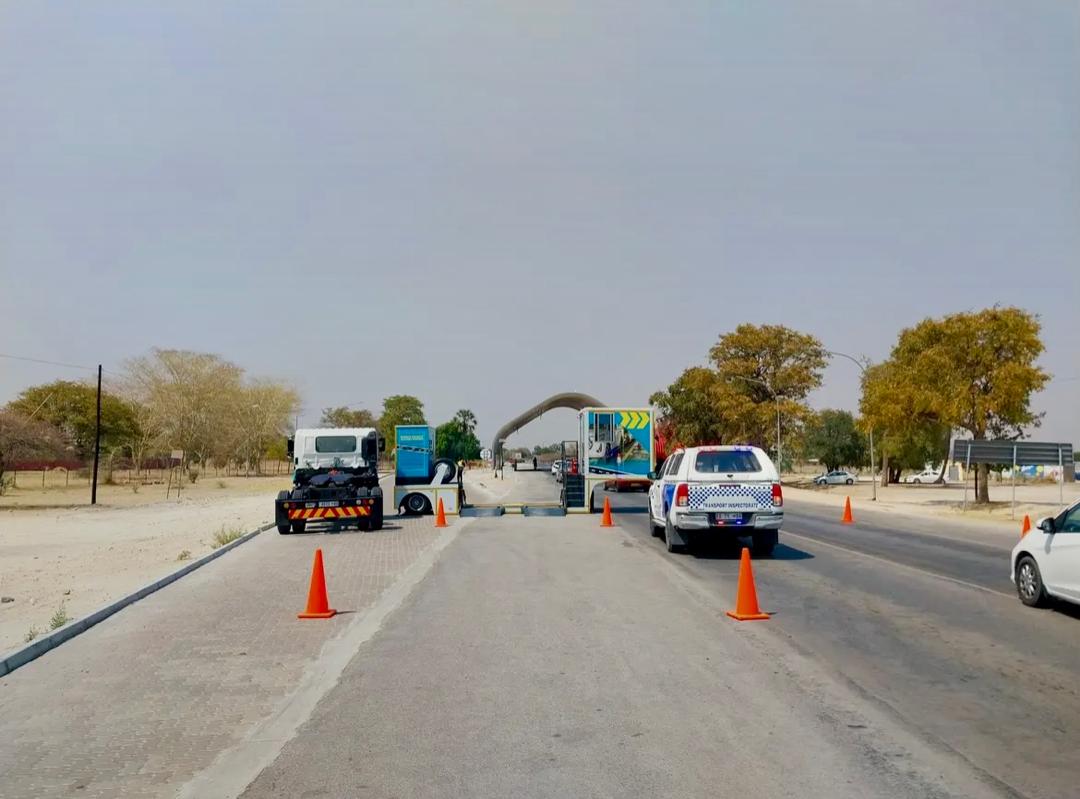
Importantly, intensified intelligence operations, such as anti-poaching patrols at Etosha National Park, tight roadblocks by the Namibian Police, and collaborations between the environment ministry and the private sector has led to more arrests.
Overall the Namibian government and its unsung heroes and community members from rural areas, along with several other activist and international organisations should be seen as patriotic and should be highly appreciated on their staggering yet inspiring journey of fighting for the right to sustainably manage Namibian wildlife resources and their protection.
Angolo Lineekela
In an age of information overload, Sunrise is The Namibian’s morning briefing, delivered at 6h00 from Monday to Friday. It offers a curated rundown of the most important stories from the past 24 hours – occasionally with a light, witty touch. It’s an essential way to stay informed. Subscribe and join our newsletter community.

The Namibian uses AI tools to assist with improved quality, accuracy and efficiency, while maintaining editorial oversight and journalistic integrity.
Stay informed with The Namibian – your source for credible journalism. Get in-depth reporting and opinions for
only N$85 a month. Invest in journalism, invest in democracy –
Subscribe Now!