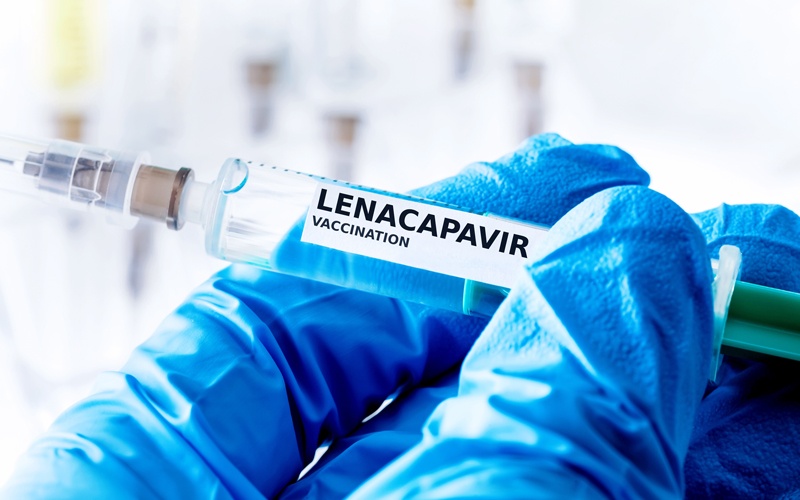
The Ministry of Health and Social Services has registered lenacapavir, a long-acting HIV prevention medication administered twice a year, as part of efforts to strengthen the country’s HIV prevention response.
This was announced in a statement by the ministry on Thursday afternoon.
The ministry says the registration was fast-tracked, placing Namibia among the first African countries to approve the next-generation pre-exposure prophylaxis (PrEP) option. South Africa and Zambia have already registered the drug.
The ministry says lenacapavir is given as an injectable formulation requiring only two doses per year, compared to oral PrEP regimens that require daily tablet use.
Thousands of Namibians are on PrEP.
Namibia has achieved the Joint United Nations Programme on HIV and AIDS (UNAIDS) 95-95-95 targets, meaning 95% of people living with HIV know their status, 95% of those diagnosed are on treatment, and 95% of those on treatment have achieved viral suppression.
However, the country continues to record new HIV infections.
Health minister Esperance Luvindao said while the registration of lenacapavir is an important step, access remains a major concern due to its high cost.
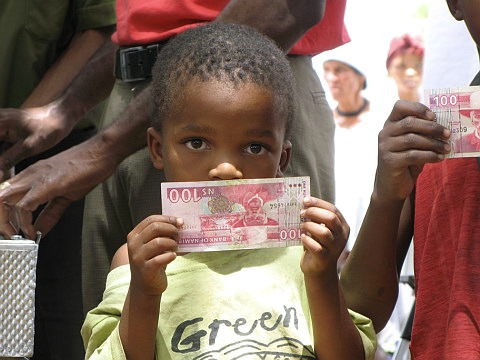
“But innovation without equity is not enough. We recognise that the current global list price reported at more than US$28 000 (about N$441 655) per person per year places this life-saving technology well beyond the reach of most Africans.
“This is a price that simply does not reflect the reality of the average African or Namibian. Access to cutting-edge health technologies must not be a privilege for the few; it must be available to all, regardless of where you come from or how much money you have in your bank account,” she said.
According to UNAIDS, about 4 000 adolescent girls and young women acquired HIV every week in 2024, the majority in sub-Saharan Africa.
The ministry says it is engaging with the African Medicines Agency to advocate for price reductions that would allow the integration of lenacapavir into public sector HIV prevention programmes without placing an unsustainable financial burden on national health systems.
The ministry says it continues to implement interventions to prevent, detect, treat and eliminate leprosy.
These include integrating leprosy screening into primary healthcare services, training health workers to identify early symptoms, conducting contact tracing, and providing free multi-drug therapy at public health facilities.
The ministry calls on residents of Nkurenkuru and the broader Kavango West region to take part in the observance, saying the day serves as a platform to reaffirm commitments to early detection, timely treatment, disability prevention and the protection of the human rights of people affected by leprosy.