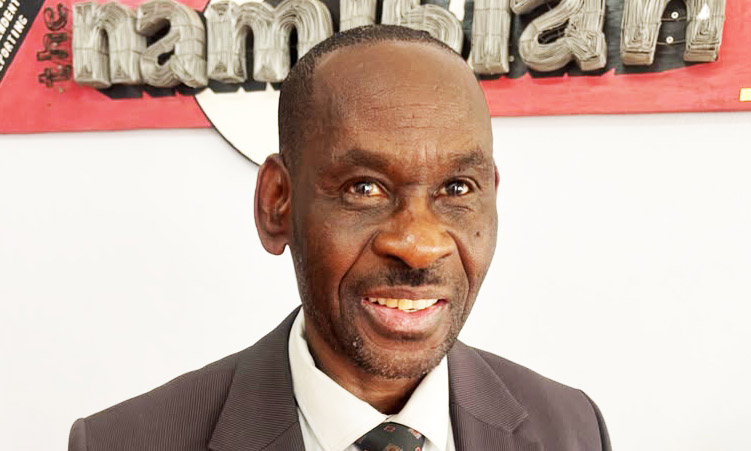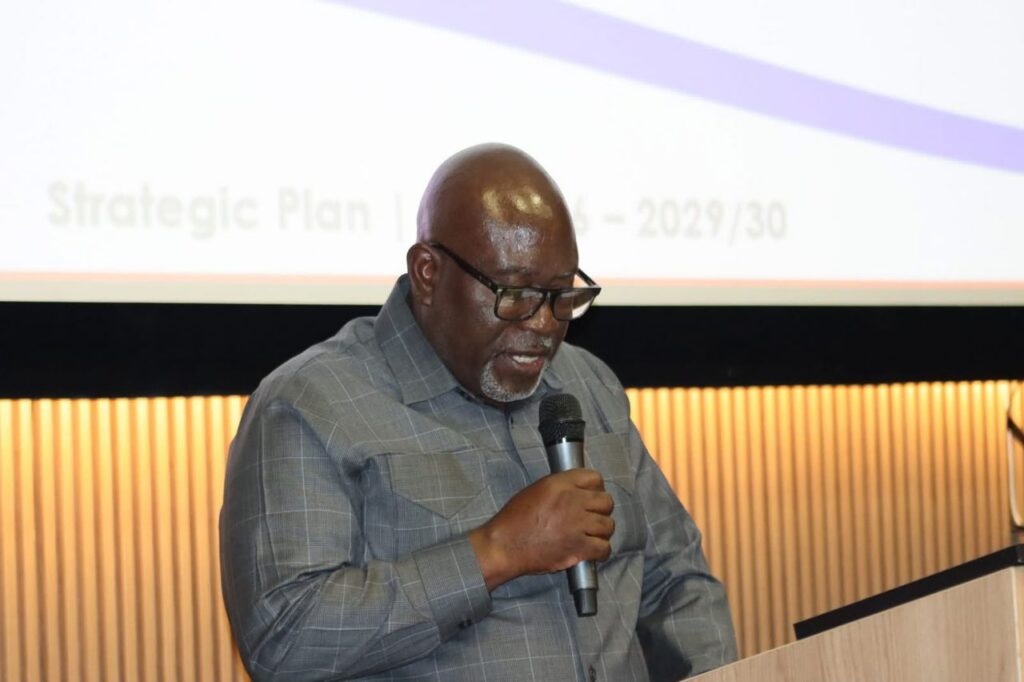
Minister of mines and energy Modestus Amutse says Namibian critical raw materials will be the foundation for modern industry and enable Namibia’s integration into global value chains.
Amutse made these remarks at the critical raw materials industry session of the European Union-Namibia business forum in Windhoek on Wednesday.
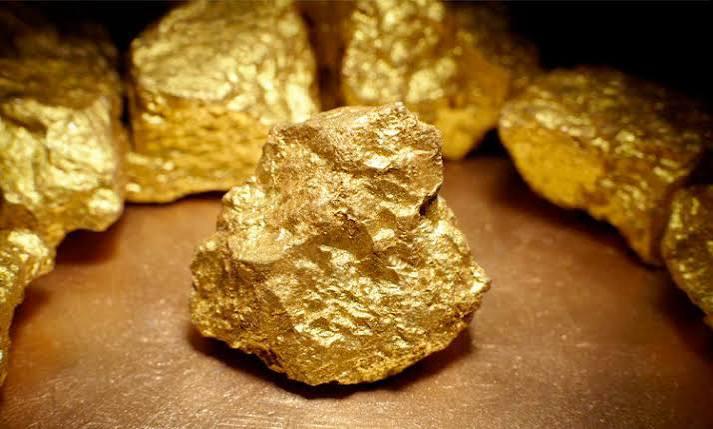
Critical raw materials – which include minerals such as uranium, lithium, graphite and rare earth elements – are of growing importance globally due to their use in technology.
“For Europe, the priority is secure, diversified, and sustained supply. For Namibia, the opportunity is to use our mineral wealth to advance industrialisation, employment creation and long-term development,” Amutse said.
The minister said the Namibian government’s priorities are to increase local value addition, attract long-term investors, skills and technology transfer, inclusive growth and integration into global supply chains.
“We aim to integrate Namibia into European and global supply chains linked to batteries, renewable energy technologies, advanced manufacturing and nuclear fuel markets,” Amutse told attendees.
He repeated his belief that partnership with the European Union (EU) can be mutually beneficial, and said progress has been made since the inaugural EU-Namibia business forum in 2023.
Namibia and the EU have already agreed on a strategic partnership for raw material value chains and renewable hydrogen. In addition, the EU is supporting Namibia’s development of a national critical raw naterials strategy.
“Namibia stands ready to work with Europe, not only as a supplier of minerals, but as a processor, industrial partner and gateway for regional growth. The demand for critical raw materials will define the next era of industrial development,” Amutse said.