




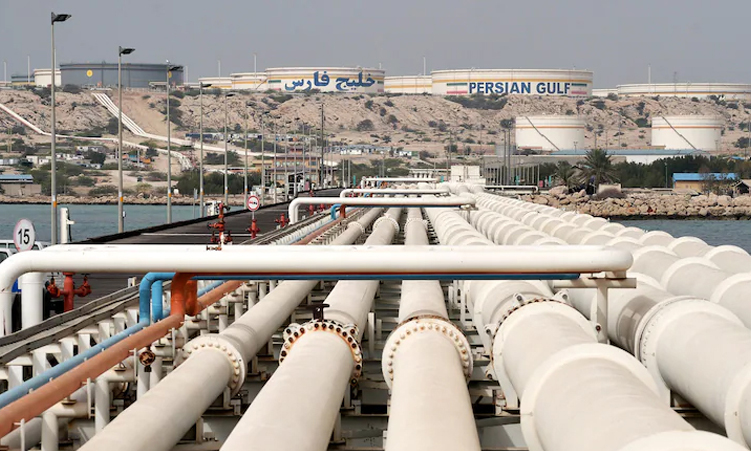
Namibia faces potential fuel price hikes and supply disruptions following the reported closure of the Strait of Hormuz due to escalating conflict in the Middle East.
The strait, positioned between Oman and Iran, is a critical port linking major Gulf producers, including Saudi Arabia, Iraq and the United Arab Emirates, to global markets through the Gulf of Oman and the Arabian Sea.
According to Kpler data, about 13 million barrels of crude oil per day moved through the strait in 2025, accounting for roughly 31% of all seaborne oil flows worldwide.
This means any disruption is expected to have immediate and far-reaching consequences for global oil and liquefied natural gas (LNG) markets.
Data from the Namibia Statistics Agency (NSA) shows that Namibia imported about N$1.6 billion (about US$92 million) worth of petroleum products, largely from Oman, Bahrain and Saudi Arabia in December.
Oman was also among the top-five import markets for the country.
“Petroleum oils emerged at the top of the list in December, accounting for 13.7% of total imports,” the NSA report reads.
Analysts are now warning that prolonged instability could push oil prices up sharply – particularly if tanker traffic is halted or restricted.
Abednego Ekandjo, the acting deputy director and chief economist in the Directorate of Petroleum Affairs in the Ministry of Industries, Mines and Energy, says Namibia would likely feel the pinch at the pump.
“This geopolitical tension will definitely cause uncertainty in the market. And considering Namibia imports refined oil from that area, there might be a halt, forcing the country to look at other markets,” he says.
Ekandjo says Namibia could source fuel from regions such as Europe and China, but warns that shipping costs would likely be higher.
‘SHATTERED DREAM’
Economist Omu Kakujaha-Matundu says Namibia’s earlier optimism over a stronger Namibia dollar and relatively low oil prices may be short-lived.
“While we were celebrating a stronger Namibia dollar and low oil price, which could see Namibia importing cheaper oil to our economy, it seems the dream is now shattered by the attack on Iran,” he says.
Kakujaha-Matundu says should the war continue, oil prices would hit the roof.
“. . . with an adverse economic impact on oil-importing countries such as ours,” he says.
The economist says global oil prices would partly depend on how much oil the United States releases from its strategic reserves, but it is still too early to reach a conclusion.
Economist Josef Sheehama describes the developments as one of the most serious escalations between Western powers and Iran in decades, with potential knock-on effects for fuel prices and global economic stability.
“Namibia is structurally exposed to global oil shocks because it imports nearly all of its refined fuel,” he says.
Sheehama says prices are shaped not only by supply and demand, but by geopolitical risk involving major producers such as Iran and Saudi Arabia, particularly around the Strait of Hormuz.
“Even the threat of disruption raises risk premiums in international markets,” he says.
Sheehama warns that this concentration heightens Namibia’s exposure to instability in the Gulf region.
“Any escalation would likely increase the fuel import bill, weaken the trade balance, and transmit inflation through transport and food prices,” he says.
Sheehama says mitigation measures should include “stronger fuel reserves, diversified sourcing, prudent price-risk management, and faster investment in domestic and renewable energy to reduce long-term import dependence”.
FUEL PRICE UNCHANGED
The energy ministry on Saturday, however, kept fuel prices unchanged for March, despite rising international oil prices and under-recoveries recorded in the domestic pricing model.
In its latest fuel price review, the ministry says international shipping and freight costs declined in February due to easing geopolitical tensions along key transit routes and improved vessel availability in the tanker market.
However, crude oil prices increased during the same period, driven by tightening global supply and stronger-than-expected demand from major consuming economies.
The ministry says it will continue to monitor international oil market developments closely to safeguard domestic price stability.
Iran holds the world’s largest oil reserves after Saudi Arabia and Venezuela.
Reuters has reported that a tanker in the strait was attacked yesterday, and at least 150 tankers carrying crude, liquefied natural gas and oil products dropped anchor in open waters across the Middle East gulf past the Strait of Hormuz.
In an age of information overload, Sunrise is The Namibian’s morning briefing, delivered at 6h00 from Monday to Friday. It offers a curated rundown of the most important stories from the past 24 hours – occasionally with a light, witty touch. It’s an essential way to stay informed. Subscribe and join our newsletter community.

The Namibian uses AI tools to assist with improved quality, accuracy and efficiency, while maintaining editorial oversight and journalistic integrity.
Stay informed with The Namibian – your source for credible journalism. Get in-depth reporting and opinions for
only N$85 a month. Invest in journalism, invest in democracy –
Subscribe Now!