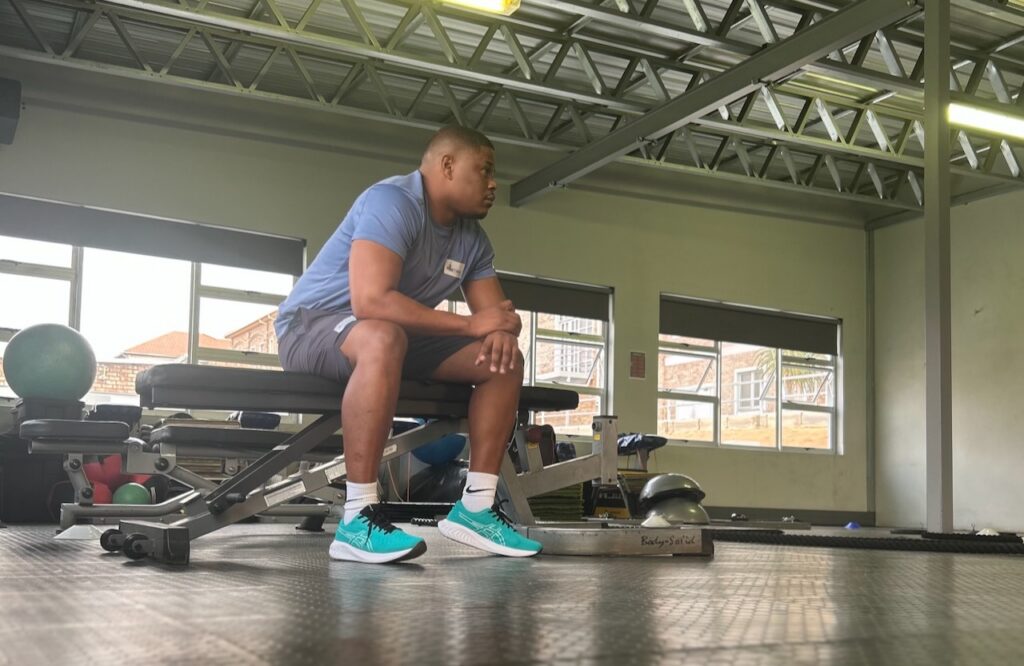
Desert Jewels conditioning coach Charles Namaseb says Namibia must use the next 10 months wisely to prepare for the 2027 World Netball Cup in Australia.
The Namibian sport fraternity has for ages been accused of sitting on its laurels until the very last minute instead of preparing national teams for international competitions in time.
The trend is sport administrators wait a few weeks before the actual competition to kick start with earnest preparation, a situation seen by many sport critics as self inflicting.
The Desert Jewels qualified for the world netball spectacle set for 25 August 2027 to 5 September 2027, alongside African giants Uganda, South Africa and Malawi.
Namaseb tells The Namibian Sport that though the world netball showdown is in August next year, having enough time to prepare will always be an advantage.
“Having time is an advantage, but only if it’s used in stages.
“The mistake would be to peak too early or to train hard without a plan. We build the foundation first, then add speed and power, then specificity, and finally sharpen and taper so the players arrive fresh.”
Namaseb says they need to keep the players healthy, as an injury in March can cost more than a missed session.
He says players who are based away from the national camp will have individual programmes, with regular check-ins and testing windows.
“Consistency over the next 10 months matters more than any single hard session,” he says.
LESSONS LEARNED- AFRICA CUP
“A few themes stand out such as fatigue management across a tournament. Back-to-back matches showed that recovery is as important as training.
“Finishing strongly. Late-game intensity and decision-making are won in the preparation phase. Squad depth and rotating players well means everyone must be conditioned to the same standard, not just the starters.”
“Travel and adaptation. A long trip to Australia brings jet lag, different conditions and disrupted routines, so we’ll plan for it carefully.”
Namaseb says the physical level will rise, as the opponents at the world cup will be faster and stronger.
“So our speed, strength and contact-readiness targets must be higher than they were at continental level. Other specific observations from the tournament are at the quarters where intensity dropped.”
On the macrocycle over the next 10 months, Namaseb says it runs in five blocks.
“Within this, we use shorter mesocycles of three to four weeks with a lighter week for recovery, and we schedule testing at the end of each block so we can adjust the plan based on data.
“We’ll also plan to arrive in Australia early enough to manage the time difference of roughly eight hours.”
Namaseb says netball is a game of repeated explosive efforts, including jumping, landing, sprinting, decelerating and changing direction, which are often late in the fourth quarter.
“My job is to make sure the players’ bodies can deliver what the coach’s game plan demands.”
“The best tactics don’t help if a player is fatigued or injured. I see my role as two-fold: to raise performance and to keep players available. I work closely with the head coach, physiotherapist, doctor and nutritionist, because conditioning only works when everyone is pulling in the same direction.”
He says his priorities are aerobic and repeated-sprint capacity so players can perform at high intensity across four quarters and several games.
Footwork faults often show up when players are tired or rushed, so they train landing control and balance under fatigue, he adds.
“The aim is for players to step onto the court for the last match of the tournament feeling close to how they did in the first.”
“Every position has a different physical profile, so we individualise within the team framework.”
Namaseb says centres, wing attack and wing defence (mid-court) cover the most distance and change pace constantly.
“Their programme emphasises aerobic capacity, repeated-sprint ability and agility, with strength work aimed at maintaining power and protecting joints under high running volume.”