



From weddings to funerals, furniture, airtime and even electricity, the ‘buy now, pay later’ industry is thriving with Mobile Telecommunication Limited (MTC) being the new player.
This comes as MTC Maris, in partnership with Letshego, last Thursday launched the Taamba Maris Instant Loan which offers MTC Maris clients loans ranging from N$100 to N$1 500.
This new offering places the mobile communication company in the non-banking financial institutions sector that is worth N$474.1 billion.
The loans are being offered with interest fees charged once-off depending on the loan term: 14% for seven days, 18% for 14 days, and 22% for 30 days.
This is considered a relief compared to the 30% charged by registered microlenders and even more by shark loans.
Financial expert Adrianus Vugs says the culture of ‘buy now, pay later’ has become a significant problem creating an illusion of affordability.
“The ‘buy now, pay later’ model is built on a psychological trap – it provides the instant gratification of a purchase while delaying the financial pain,” says Vugs.
He says borrowing in itself is not bad, however, majority of ‘buy now, pay later’ schemes are used for consumer goods that lose value.
“This is bad debt that provides short-lived enjoyment but leaves the consumer with a financial liability and no corresponding asset,” he says.
Vugs adds that financial stress and hopelessness all contribute to the suicide rate in the country, therefore, financial institutions have an ethical responsibility to engage in responsible lending.
He says before launching any new loan product, institutions must prioritise ethical interest rates.
“Offering a seven-day loan with a 14% fee is not a reasonable financial service – it is predatory. Such rates can trap the most vulnerable in a devastating debt cycle,” says Vugs.
He adds that there is an urgent need for stronger responsible lending regulations to protect consumers from extortionate terms.
“The current market structure, where a single entity like MTC controls access for the financial product, creates a monopoly. Regulators should promote (or require) an open market that encourages competition and provides consumers with more ethical and affordable choices,” says Vugs.
Speaking at the launch, Letshego micro financial services chief executive Melvin Angula said the target market are client who are unbanked and do not qualify for loans in the mainstream financial sector.
This may be due to a lack of collateral or formal employment, making it hard to have a pay slip which is usually required when loaning from banks or cash loans.
“Our target market is those earning between N$2 500 to N$6 500, including the ladies that sell vegetables on the street,” said Angula.
He added that the loan application can be done without the internet, by simply using a USSD code.
The loan is not yet available to everyone, but will be limited to 6 000 pre-selected clients before being opened up to all MTC Maris clients.
Maris has over 470 000 registered customers.
Apart from this new loan offering, MTC also introduced Taamba airtime and Data in 2020.
This feature allows MTC clients to buy data and airtime on credit.
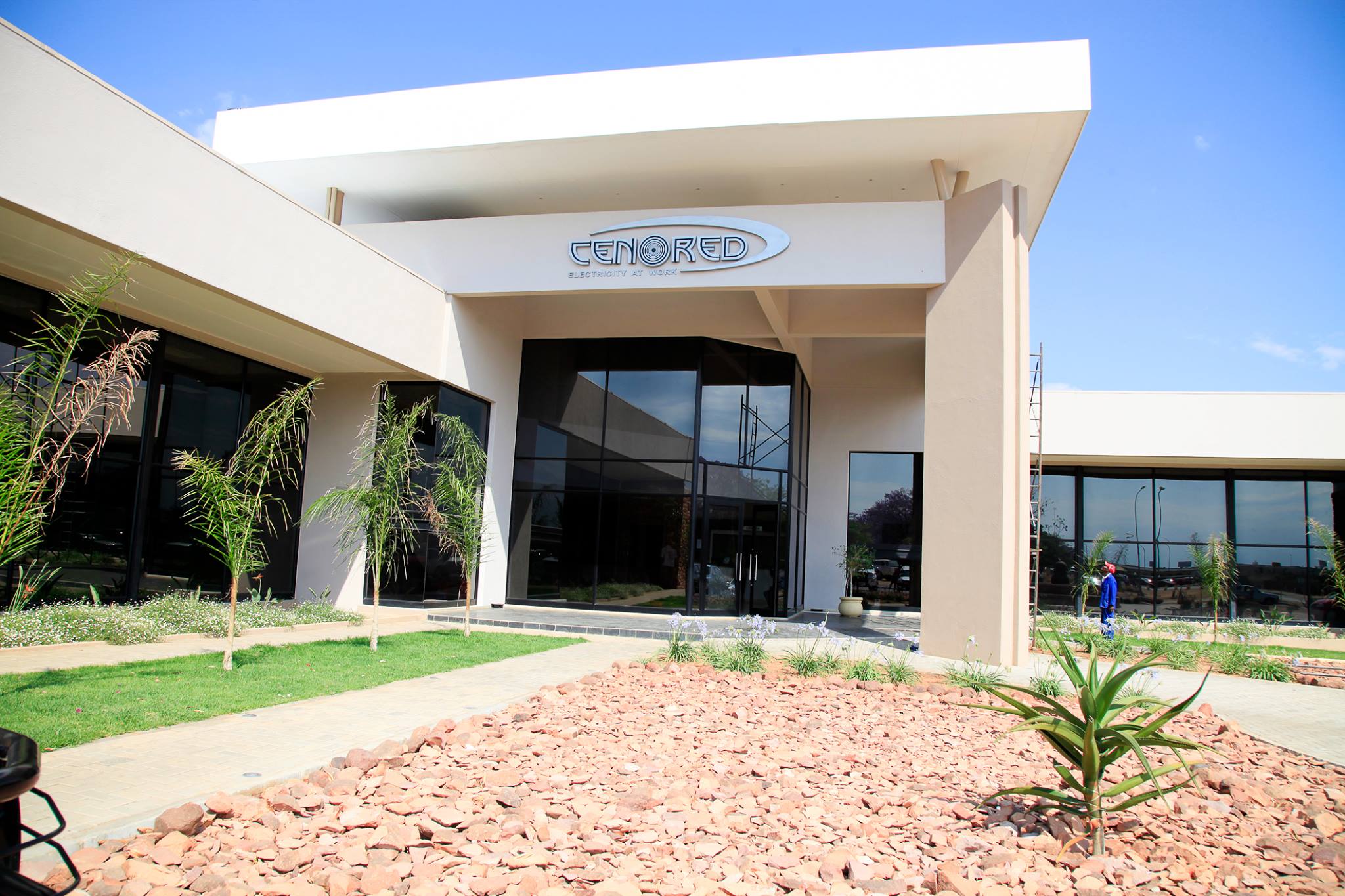
Just last week, during the 20th anniversary celebration gala dinner, Erongo Regional Electricity Distributor chief executive Tino !Hanabeb said the utility company will soon be introducing an option for its customers to buy electricity on credit.
DEBT LEVELS
As at the end of 2024, Namibians owed 796 cash loan businesses N$8.1 billion.
Of this amount, N$1.3 billion has been recorded to be arrears, meaning Namibians are defaulting on payments.
This is according to the quarterly report of the Namibia Financial Institutions Supervisory Authority, which regulates the non-banking financial sector.
The total number of borrowers was 240 475, an increase from money borrowed by 221 841 people from microlenders in 2023.
“Term lender loans, which constituted 94% of the total loan book, grew by 10.7% quarterly to N$7.6 billion,” the report reads.
In terms of commercial banks, by the end of 2024 there was N$6.6 billion in bad debt, a consequence of clients struggling to repay their loans.
This is after giving out loans to the value of N$118.9 billion in 2024.
“The non-performing loans (NPLs) increased by N$96.3 million to N$6.6 billion in 2024 due to unfavourable economic conditions characterised by high interest rates, high inflation and unemployment which impacted the ability of households and businesses to service their debts,” reads the Bank of Namibia’s annual report.
The most significant increases in NPLs were observed in personal loans, installment sales agreements and other loan categories.
“Personal loans have seen a significant jump of N$94.3 million,” says the report, adding that installment sales agreements, such as those for vehicles and furniture, increased by N$72.2 million.
In an age of information overload, Sunrise is The Namibian’s morning briefing, delivered at 6h00 from Monday to Friday. It offers a curated rundown of the most important stories from the past 24 hours – occasionally with a light, witty touch. It’s an essential way to stay informed. Subscribe and join our newsletter community.

The Namibian uses AI tools to assist with improved quality, accuracy and efficiency, while maintaining editorial oversight and journalistic integrity.
Stay informed with The Namibian – your source for credible journalism. Get in-depth reporting and opinions for
only N$85 a month. Invest in journalism, invest in democracy –
Subscribe Now!