




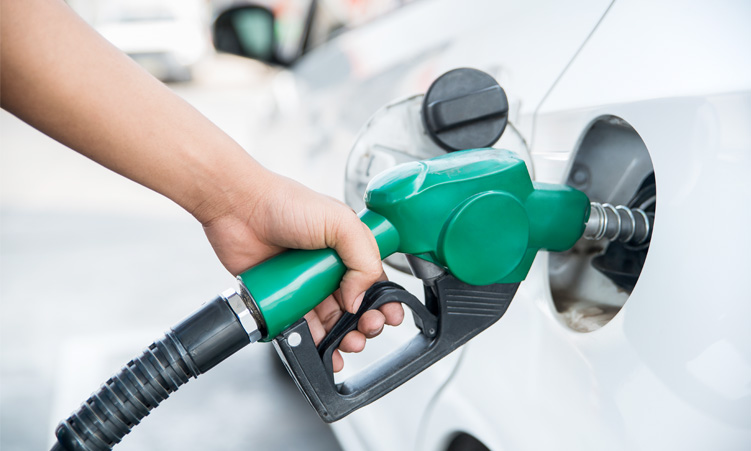
Namibian automotive industry representatives have warned the government that some imported fuel entering the country may be damaging modern, high-performance vehicles.
Vehicles affected include those imported from Europe, Japan, the United States, and China.
The Namibian understands that fingers are pointing at the Ministry of Industries, Mines and Energy after batches of ‘bad’ fuel have been detected in the country since February 2024.
The energy ministry is responsible for fuel quality and ensuring supply to all service stations in the country.
It has not responded to detailed questions since last week.
Most fuel in the country is imported through the National Petroleum Corporation-owned oil storage facility at Walvis Bay.
The Namibian has followed up on this development after two weeks ago reporting on allegations that Namcor had imported substandard fuel.
Six experts and sources spoke to The Namibian on condition of anonymity last week, as they were not authorised to comment publicly.
They complained that they have seen a bigger problem: vehicles damaged by the petrol’s metal content.
Sources claim the highest quality petrol should be free of all metals, not just of the lead that has been banned globally since 2021.
When auto workshops in Namibia started receiving reports of vehicles with poor engine performance nearly two years ago, mechanics started noticing the distinctive discolouring associated with metals in the fuel.
Petrol is considered to meet standards if the manganese content is below 36 mg/l, but this level damages cars built to modern specifications in Europe, Japan, and North America.
Tests conducted on damaged cars show that they have been exposed to high levels of metals, a source familiar with this matter said last week.
Replacing the damaged parts could cost up to N$80 000, depending on the brand of the car.
Some sources said there have even been cases where the entire engine needed to be replaced.
After the first wave of damage in 2024, the issue has re-emerged.
Tests conducted by the industry show that the quality of petrol is variable over time, suggesting only some batches of oil have a high metal content.
The Namibian has seen the test reports.
Depending on how much metal is in the fuel, it may take a long time for drivers to notice the damage to their cars.
This has made it impossible to track when the poor fuel was imported.
Namcor yesterday declined to comment on the issue.
However, two weeks ago, it denied suggestions that it enabled the import of substandard fuel.
“In line with standard industry operating procedures, the product underwent routine pre-discharge quality checks and passed. While the fuel met all specifications at the point of loading and transfer by Namcor, the company cannot account for downstream handling, storage conditions, blending, or equipment beyond its control,” Namcor said at the time.
Namcor failed to explain or confirm what tests they run, and deferred questions about metal content to the energy ministry.
It did not say whether it has equipment that can test for the presence of metals in fuel.
Experts say metal tests need to be run on oil while it is on ships and before it is offloaded to the storage facility.
Namcor allegedly relies on quality certificates that are inspected before fuel is offloaded.
Industry representatives are urging the government to tighten standards on oil imports.
The Namibian understands that the ministry has been asked by industry representatives to respond to concerns about the lack of consistency in fuel quality by implementing more regulations on the standard of fuel.
THE SPECIFICS
Experts who have reviewed this matter say damage to modern, high-performance cars is often seen on catalytic converters.
Catalytic converters turn harmful chemicals from car combustion into less toxic gases. They are required for cars sold in the European Union, and manufacturers continue to develop highly sensitive catalytic converters for those markets.
Metal deposits wreck catalytic converters – among other parts – costing customers and damaging car manufacturers’ brands.
Namibia has historically been known for its high-quality fuel, which means many high-performance vehicles have been imported to the Namibian market.
However, those cars cannot run on lower quality fuel.
Experts say it is possible that Namibia is sporadically importing fuel with an additive called MMT, a chemical that increases its octane rating but adds to the metal content after combustion.
The use of MMT is severely restricted in Europe, North America, and Japan, which means many manufacturers make cars incompatible with that fuel.
‘NGUNGULA’
The Namibian government has over the years blocked attempts to buy fuel from Angola, known as ngungula, citing quality issues.
Experts say the ngungula issue is separate from the high metal content issue.
However, last year, the Namibian government took an interest in fuel quality because of the damage it potentially causes cars.
Windhoek Observer reported at the time that the ministry’s chief petroleum inspector has acknowledged reports of vehicle engines experiencing poor combustion due to the fuel’s content.
This has led to engine blockages in some cases.
In an age of information overload, Sunrise is The Namibian’s morning briefing, delivered at 6h00 from Monday to Friday. It offers a curated rundown of the most important stories from the past 24 hours – occasionally with a light, witty touch. It’s an essential way to stay informed. Subscribe and join our newsletter community.

The Namibian uses AI tools to assist with improved quality, accuracy and efficiency, while maintaining editorial oversight and journalistic integrity.
Stay informed with The Namibian – your source for credible journalism. Get in-depth reporting and opinions for
only N$85 a month. Invest in journalism, invest in democracy –
Subscribe Now!