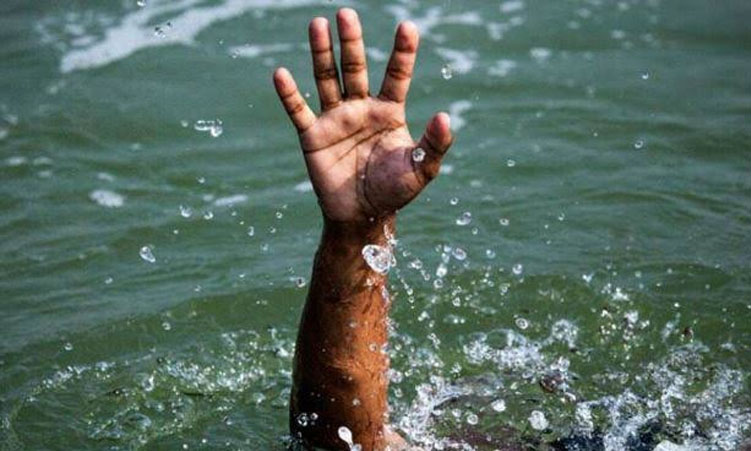
The World Health Organisation says more than 300 000 people lose their lives to drowning every year, with children and young people among the most affected.
The warning comes ahead of World Drowning Prevention Day on 25 July, which was established by the United Nations General Assembly to raise awareness of drowning and promote measures to prevent it.
The World Health Organisation (WHO) says drowning remains a major global health challenge, despite progress made in reducing deaths over the past two decades.
The organisation says drowning deaths have declined since 2000, but the number of people dying remains unacceptably high, particularly in low- and middle-income countries.
“More than 90% of drowning deaths occur in low- and middle-income countries, where people are often exposed to water hazards through daily activities such as collecting water, fishing, travelling by boat, farming and recreation,” the WHO says.
The organisation says children are particularly vulnerable, with those under the age of five accounting for nearly a quarter of all drowning deaths worldwide.
“Drowning disproportionately impacts children and young people,” the WHO says, noting that drowning is among the leading causes of death for children between one and 14 years old.
The risk is highest among young children because they often lack the ability to recognise danger, have limited swimming skills and may enter water without adequate adult supervision.
The WHO says children and young adults under 29 years account for more than half of all drowning deaths globally.
The organisation also highlights that drowning affects men more than women. Globally, the drowning death rate among men is more than twice as high as among women.
This, according to the WHO, is linked to increased exposure to water and higher-risk behaviour, including swimming alone, alcohol consumption before entering water, and greater involvement in activities such as fishing and boating.
“Beyond age and gender, poverty and inequality also contribute to drowning risks. People in poorer communities are often more exposed to unsafe water environments, including open wells, rivers, ponds and lakes used for household activities such as collecting water or washing clothes.”
The WHO says drowning accounts for about 75% of deaths during flood disasters, with the greatest risks occurring in countries where flood warning systems and protective infrastructure remain limited.
The organisation says prevention remains the most effective way to reduce drowning deaths.
Simple interventions, including placing barriers around water hazards, covering wells, fencing swimming pools and ensuring young children are supervised around water, can significantly reduce risks.
The WHO also recommends teaching children basic swimming and water safety skills, while ensuring that such programmes are delivered safely with trained instructors, suitable facilities and appropriate supervision.
The organisation says community-based childcare programmes for preschool children can also reduce drowning risks by ensuring that young children are supervised.
For older children and adults, the WHO recommends stronger water safety regulations, including safer boating practices, improved enforcement of maritime safety rules and better disaster preparedness measures.
The WHO says countries should develop national drowning prevention strategies to guide coordinated action between health authorities, emergency services, education sectors and communities.
In 2021, the United Nations General Assembly adopted its first resolution on drowning prevention, recognising drowning as a global health and development issue linked to child safety, climate change, disaster preparedness and social inequality.
The World Health Assembly later adopted a resolution in 2023 calling for accelerated action on drowning prevention and stronger collaboration between governments, international organisations and communities.
The WHO says while progress has been made, drowning remains a largely overlooked health issue.
“Everyone should have safe access to water and be able to enjoy water safely,” the organisation says.
The WHO continues to call on countries to strengthen prevention efforts and invest in measures that can prevent avoidable deaths, particularly among children and vulnerable communities.